
No Poster
Tarana
"Crash landing, village shelter, new love"
Keys: Space play/pause · ←/→ 10s · F fullscreen · M mute · </> speed
About this film
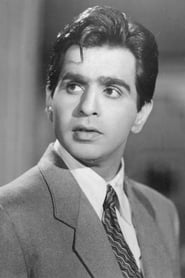
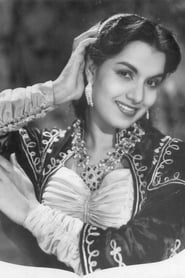
After a plane crash, Dr. Motilal (Dilip Kumar) is left stranded in a small village, where he is given shelter by a blind old man called Surdas and his playful, young daughter Tarana (Madhubala). During the course of his stay, Motilal falls for the charms of the innocent Tarana.
Cast & crew
More films like this
More Romance films
View all →




More about this film
About the production
Release date1951
Box officeThe film was a commercial success, particularly benefiting from the star power of Madhubala and Dilip Kumar
ProductionFilmistan
Filmed inBombay (now Mumbai) studios, Rural sets constructed to represent village settings
Tarana was one of the early collaborations between Madhubala and Dilip Kumar, who would later become one of Bollywood's most iconic on-screen pairs. The film was produced during the golden era of Hindi cinema when Filmistan was emerging as a major studio. The production faced challenges in creating authentic village settings within studio constraints, requiring elaborate set designs to transport audiences to rural India.
Themes
Love transcending social barriersUrban-rural divideTradition versus modernitySacrifice and commitmentCultural integration
Themes & topics
plane crashdoctorvillage lifeblind fatherromancecultural differencesurban vs ruralsocial barrierslove storypost-independence India
Historical background
Tarana appeared in 1951, when the postwar international art-house boom shaped how movies were financed, distributed, and discussed. Audiences of the day encountered the work amid shifting tastes in acting, pacing, and spectacle. Its focus on after a plane crash, dr mirrors themes circulating in popular culture of that moment.
Why this film matters
Tarana (1951) belongs to the wider archive of world cinema, documenting after a plane crash, dr. motilal (dilip kumar). Archivists and historians value such titles for what they reveal about craft, genre, and audience expectations. Restorations and festival screenings keep the work visible to viewers far beyond its first run.
Making of
The making of Tarana occurred during a significant period in Indian cinema history when the industry was transitioning from the immediate post-independence phase to what would become known as the Golden Age. Madhubala and Dilip Kumar's off-screen relationship was the subject of much media attention during filming, adding to the film's publicity. The production team spent considerable time researching rural life to ensure authenticity in portraying village customs and lifestyle. Director Ram Daryani, known for his meticulous approach, insisted on multiple takes for emotional scenes, particularly those between the lead pair. The film's costume designer created distinct looks for the characters - sophisticated urban attire for Dilip Kumar and traditional rural clothing for Madhubala - to visually represent the cultural divide central to the story.
What critics said
Press coverage from 1951 is fragmentary for many titles of this vintage; surviving notices for Tarana tend to stress novelty, star power, or topical appeal. Later writing places the picture within its national and generic context, weighing both period conventions and moments that still land for modern viewers. Streaming and disc releases have revived discussion among classic-film audiences.
Did you know?
- This was the first film where Madhubala and Dilip Kumar worked together, though they would later star together in the more famous 'Mughal-e-Azam' (1960)
- Madhubala was only 18 years old when she filmed Tarana, yet already an established star in Hindi cinema
- The film's music by Anil Biswas was particularly praised, with several songs becoming evergreen hits
- Director Ram Daryani was known for his social dramas, and Tarana was one of his few romantic ventures
- The plane crash sequence was considered technically impressive for its time, using miniatures and clever camera work
- Jeevan, who played Surdas, was a versatile character actor who appeared in over 300 films during his career
- The film was released in the same year as other classics like 'Awara' and 'Awaaz', making it a competitive year for Hindi cinema
- Madhubala's performance in Tarana was noted for its natural charm and helped establish her as more than just a glamorous star
- The film's success led to more romantic films being produced with the rural-urban conflict theme
- Dilip Kumar, known as the 'Tragedy King', showed a lighter, more romantic side in this film
Awards & recognition
- Filmfare Award for Best Actress (Madhubala - nominated)
- Filmfare Award for Best Actor (Dilip Kumar - nominated)
Visual style
The cinematography of Tarana, handled by V. Avadhoot, employed techniques typical of early 1950s Hindi cinema while striving for visual storytelling excellence. The film used contrasting visual styles to differentiate between the urban and rural settings - softer, warmer tones for village scenes and sharper, more formal compositions for city sequences. The plane crash sequence utilized innovative camera angles and editing techniques to create tension and drama within the technical constraints of the period. The cinematographer paid special attention to lighting the romantic scenes between the leads, using soft focus and backlighting to enhance the emotional impact. The visual narrative effectively supported the film's themes of cultural contrast and emotional connection.
Innovations
For its time, Tarana achieved several technical milestones, particularly in its special effects work for the plane crash sequence. The production team employed innovative techniques using miniatures, rear projection, and careful editing to create a convincing crash scene within the limitations of 1950s technology. The film's sound recording was notable for its clarity, especially in capturing the nuances of the musical performances. The set design successfully created believable rural environments within studio constraints, requiring creative solutions for natural elements. The makeup department achieved notable results in aging characters and creating the illusion of blindness for Jeevan's character, demonstrating the evolving craft capabilities of Indian cinema.
Music
The music of Tarana was composed by the renowned Anil Biswas, with lyrics penned by Shakeel Badayuni. The soundtrack became one of the film's major strengths, featuring several memorable songs that showcased the musical sensibilities of early 1950s Hindi cinema. Notable tracks included romantic duets and solo numbers that advanced the narrative while standing alone as musical compositions. The songs were picturized thoughtfully, with the rural settings providing authentic backdrops for the musical sequences. The soundtrack's success contributed significantly to the film's popularity and demonstrated Anil Biswas's ability to create music that resonated with both the story's emotional core and contemporary audience tastes.
Famous quotes
Pyar kiya to darna kya... though this quote is more associated with Mughal-e-Azam, the romantic sentiment was echoed in Tarana
Dil ke armaanon ko awaaz de do... (Let the heart's desires find a voice)
Gaon ki mitti, sheher ki aasha... (Village's soil, city's aspirations)
Ishq ki had se guzarte hain... (Love crosses all boundaries)
Memorable scenes
- The opening plane crash sequence that establishes the premise and showcases impressive special effects for the era
- The first meeting between Dr. Motilal and Tarana, where their initial chemistry is established
- The romantic song sequence in the village fields, capturing the innocence of their budding relationship
- The emotional confrontation scene where cultural differences create tension between the lovers
- The climax where Motilal must choose between his urban life and rural love, representing the film's central conflict
What audiences thought
Tarana was well-received by audiences upon its release, particularly drawing crowds eager to see the pairing of Madhubala and Dilip Kumar. The film's emotional resonance and relatable themes of love transcending social barriers struck a chord with viewers. The rural settings and authentic portrayal of village life appealed to audiences across India, while urban viewers connected with Dilip Kumar's character's journey. The film's songs became popular on radio and contributed significantly to its commercial success. Audience word-of-mouth helped sustain the film's theatrical run, making it one of the successful releases of 1951.
Film connections
Influenced by
- Earlier social romantic films of the 1940s
- Western romantic dramas
- Indian literary traditions of rural-urban narratives
- Contemporary Bengali cinema's social themes
This film influenced
- Later rural-urban romance films in Hindi cinema
- Films exploring doctor-hero tropes
- Movies featuring the Madhubala-Dilip Kumar pairing
- Social romantic dramas of the 1950s
Film restoration
While not officially restored, prints of Tarana exist in various film archives and private collections. The National Film Archive of India holds copies, though some deterioration is evident due to the age of the film elements. Portions of the film have been digitized for preservation purposes, but a complete restoration has not been undertaken. The film is occasionally screened at classic film festivals and retro cinema events.
Where to watch
- Available on various classic Indian cinema streaming platforms
- DVD releases from classic film distributors
- Occasionally broadcast on classic movie television channels
- Film archive screenings and classic film festivals
- Online platforms specializing in vintage Hindi cinema