Shyama
Actor
Born: June 7, 1935 in Lahore, British India (now Pakistan) Died: November 14, 2017 Active: 1945-1979 Birth Name: Khurshid Akhtar
Films
2 films
About Shyama
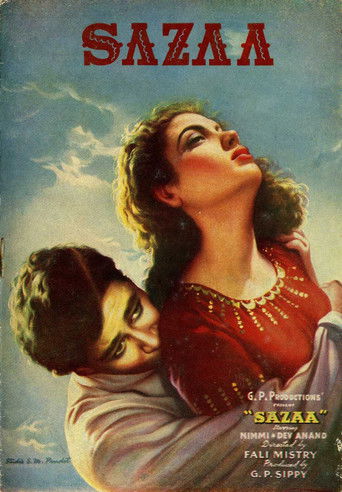
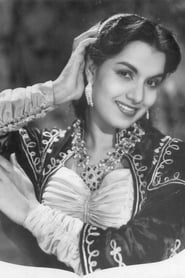
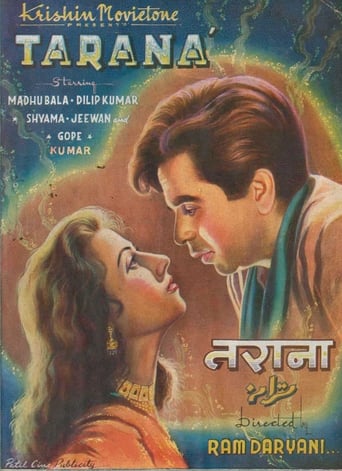
Shyama, born Khurshid Akhtar, was a prominent Indian actress who graced Hindi cinema with her captivating performances for over three decades. Beginning her career as a child artist in the 1940s, she quickly transitioned to lead roles and became sought-after supporting actresses of her era. Her breakthrough came with films like Sazaa (1951) and Tarana (1951), which established her as a versatile performer capable of both comic and dramatic roles. Throughout the 1950s and 1960s, she appeared in over 180 films, working with directors like Guru Dutt and Bimal Roy. Her most memorable performances include roles in Aar Paar (1954), Barsaat Ki Raat (1960), and Chhoti Bahen (1959). Despite being typecast in supporting roles, Shyama brought depth and nuance to every character, often stealing scenes from the lead actors. Her career gradually slowed in the 1970s, but she on Indian cinema with her distinctive style and memorable performances.
The Craft
On Screen
Shyama was known for her natural acting style and expressive eyes, which could convey a wide range of emotions. She excelled in both comic and dramatic roles, bringing authenticity and depth to supporting characters. Her timing in comic scenes was impeccable, and she had a unique ability to make even minor roles memorable through her nuanced performances.
Milestones
- Debut as child artist in Noor Jahan's Zeenat (1945)
- Memorable performance in Guru Dutt's Aar Paar (1954)
- Critically acclaimed role in Barsaat Ki Raat (1960)
- Award-winning performance in Chhoti Bahen (1959)
- Over 180 film appearances spanning three decades
Best Known For
Iconic Roles
Must-See Films
Accolades
Won
- Filmfare Award for Best Supporting Actress for Chhoti Bahen (1959)
- Kalakar Award for Lifetime Achievement (2004)
Nominated
- Filmfare Award nomination for Best Supporting Actress for Aar Paar (1954)
- Filmfare Award nomination for Best Supporting Actress for Barsaat Ki Raat (1960)
Special Recognition
- Recognized as
- Honored at various film festivals for her contributions to Indian cinema
Working Relationships
Worked Often With
Studios
Why They Matter
Impact on Culture
Shyama played a significant role in shaping the archetype of the supporting actress in Hindi cinema. Her performances demonstrated that supporting characters could be as impactful as leads, influencing how filmmakers approached character development in Indian films. She broke stereotypes by playing diverse roles that weren't limited to traditional female tropes, often portraying independent, strong-willed women. Her work in the 1950s and 1960s contributed to the golden era of Hindi cinema, helping create some of the most memorable films of that period.
Lasting Legacy
Shyama's legacy lies in her remarkable ability to elevate every role she played, regardless of its length. She proved that supporting actors could leave lasting impressions and became a benchmark for future generations of character artists. Her filmography serves as a masterclass in versatility, spanning genres from romance to comedy to drama. Even decades after her prime, her performances in films like Aar Paar and Chhoti Bahen are studied by film students and appreciated by cinema enthusiasts. She remains an integral part of Hindi cinema's golden age, representing the era's artistic excellence and storytelling depth.
Who They Inspired
Shyama influenced generations of supporting actresses in Hindi cinema by demonstrating the importance of character roles in storytelling. Her natural acting style and ability to seamlessly blend into diverse narratives set a standard for character artists. Many contemporary actresses cite her as an inspiration for bringing authenticity to supporting roles. Her work showed that success in cinema wasn't limited to lead actors, opening doors for many character artists who followed. Her approach to comic timing and emotional depth continues to be referenced in acting workshops and film studies.
Off Screen
Shyama led a relatively private life away from the glamour of cinema. She married filmmaker Fali Irani in 1953, with whom she had two children. Despite her busy career, she maintained a balance between her professional and family life. After her retirement from films, she lived a quiet life in Mumbai, occasionally appearing at film events and retrospectives. Her later years were spent away from the public eye, though she remained a respected figure in the film industry.
Education
Completed schooling in Mumbai before entering films
Family
- Fali Irani (1953-2004, until his death)
Did You Know?
- She was discovered by director Noor Jahan while working as a child artist
- Her real name Khurshid Akhtar was changed to Shyama by filmmaker K. Asif
- She appeared in over 180 films in her career spanning more than three decades
- Despite being a prominent actress, she never played the lead female role in major productions
- She was known for her distinctive style of wearing saris that became a fashion trend
- Her role in Chhoti Bahen was so popular that people would call her 'Chhoti Bahen' in public
- She worked with almost all major stars of her era including Raj Kapoor, Dev Anand, and Dilip Kumar
- She was one of the few actresses who successfully transitioned from child artist to adult roles
- Her performance in Aar Paar was particularly praised by critics for its comic timing
- She retired from films in the late 1970s to focus on her family
In Their Own Words
I never regretted not being a lead actress. Supporting roles gave me more opportunities to experiment and showcase different facets of my acting.
In cinema, there are no small roles, only small actors. I always believed in making every character memorable.
The golden era of Hindi cinema was special because we had stories that touched hearts, and I was fortunate to be part of that magic.
Frequently Asked Questions
Who was Shyama?
Screen credits include over 180 Hindi films from the 1940s to the 1970s. Born Khurshid Akhtar, she was known for her versatile supporting roles and memorable performances in classic films like Aar Paar and Chhoti Bahen.
When was Shyama born and when did she die?
Born June 7, 1935; died November 14, 2017.
What awards did Shyama win?
Shyama won the Filmfare Award for Best Supporting Actress for Chhoti Bahen (1959) and received the Kalakar Award for Lifetime Achievement in 2004. She was also nominated for Filmfare Awards for Aar Paar and Barsaat Ki Raat.
What was Shyama's acting style?
Shyama was known for her natural acting style, expressive eyes, and impeccable comic timing. She excelled in both dramatic and comic roles, bringing authenticity and depth to supporting characters and making even minor roles memorable.
Was Shyama related to anyone in the film industry?
Shyama married filmmaker Fali Irani in 1953, with whom she had two children. While not from a film family herself, she became part of the industry through her marriage and extensive career.
Why did Shyama retire from films?
Shyama gradually reduced her film appearances in the 1970s and eventually retired to focus on her family life. She preferred to step away from the limelight rather than continue with diminishing roles as the film industry evolved.