

Sazaa
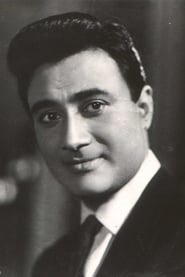
"Kamini (Shyama) runs over a young man (Dev Anand)."
Keys: Space play/pause · ←/→ 10s · F fullscreen · M mute · </> speed
About this film
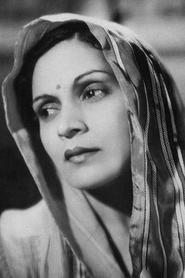
Kamini (Shyama) runs over a young man (Dev Anand), who is seriously injured. Kamini visits him daily even while he is unconscious. When he recovers, she is attracted to him, and sets him up with employment with her dad Seth Mothumal's (Gope) business as a manager.
Cast & crew
More films like this

More about this film
About the production
Release date1951
ProductionFilmistan
Filmed inBombay (now Mumbai), India
Sazaa was produced by Filmistan, one of the major studios of the era known for its socially relevant films. Director Fali Mistry, primarily known as a cinematographer, brought a distinctive visual style to this production. The film featured elaborate sets depicting both wealthy and working-class environments of 1950s Bombay society.
Themes
Karma and redemptionClass differences and social hierarchyLove transcending barriersGuilt and forgivenessDisability and inclusion
Themes & topics
accidentmute characterclass differencesromancesocial dramaredemptionguiltidentity crisismaid-servantwealthy family
Historical background
Viewers in 1951 encountered Sazaa alongside competing releases that were collectively teaching new cinematic grammar.
Why this film matters
Archivists revisit Sazaa (1951) for performance styles and craft choices later mainstream releases refined.
Making of
The production of Sazaa faced several challenges during filming. Director Fali Mistry, being primarily a cinematographer, paid exceptional attention to visual composition and lighting, especially in scenes featuring Nimmi's mute character, where expression through eyes became crucial. The car accident sequence was technically challenging for 1951, requiring careful choreography and camera work. Dev Anand and Nimmi developed good working chemistry during the filming, which translated well on screen. The film's production coincided with the early years of independent India, and the filmmakers consciously incorporated elements of the changing social fabric into the narrative.
What critics said
Modern retrospectives screen Sazaa to illustrate 1951 pacing and camera norms.
Did you know?
- This was one of the early films where Dev Anand played a more serious dramatic role, moving away from his usual romantic hero image
- Nimmi's performance as a mute character was particularly praised by critics and audiences alike
- Director Fali Mistry was better known as a cinematographer before directing this film
- The film's title 'Sazaa' translates to 'Punishment' in English, reflecting its themes of karma and consequences
- Shyama, who played Kamini, was known for her dancing skills and performed a memorable dance sequence in the film
- The film was shot at Filmistan Studios in Bombay, which was then the hub of Hindi cinema production
- This was one of the early films to explore class differences in post-independence Indian society
- The mute character portrayal by Nimmi was considered groundbreaking for its time in Indian cinema
Awards & recognition
- Filmfare Award for Best Actress (Nimmi) - 1952
Visual style
The cinematography in Sazaa, overseen by director Fali Mistry himself, was notable for its dramatic lighting and composition. The film employed chiaroscuro techniques to create emotional depth, especially in scenes featuring Nimmi's character. The camera work effectively contrasted the opulent world of the wealthy characters with the humble surroundings of the working-class environments. Close-ups were used extensively to convey emotions, particularly crucial for Nimmi's mute character who had to express herself through her eyes and facial expressions.
Innovations
For its time, Sazaa featured several technical innovations in Indian cinema. The film employed sophisticated sound recording techniques to capture the nuances of a mute character's world, using silence as a dramatic device. The car accident sequence was technically ambitious for 1951, requiring careful coordination between camera and action. The film's production design effectively created contrasting visual worlds for different social classes. The makeup and prosthetics used for certain scenes were considered advanced for the period.
Music
The music of Sazaa was composed by S.D. Burman, one of the music directors of Indian cinema. The soundtrack featured several memorable songs that became popular, including romantic melodies and philosophical numbers that enhanced the film's narrative. The songs were penned by eminent lyricists of the era and sung by prominent playback singers including Lata Mangeshkar and Kishore Kumar. The music effectively captured the emotional journey of the characters and contributed significantly to the film's impact.
Famous quotes
Sometimes silence speaks louder than words
The past has a way of catching up with us when we least expect it
True love knows no boundaries, not even those of class or ability
Memorable scenes
- The initial car accident sequence that sets the plot in motion
- The first meeting between Mohan and the mute Asha where they communicate through gestures
- The dramatic revelation scene where Asha's connection to Mohan's past is uncovered
- The emotional climax where Mohan must face the consequences of his past actions
What audiences thought
Sazaa was well-received by audiences upon its release, particularly drawing viewers who appreciated socially relevant cinema. The chemistry between Dev Anand and Nimmi was a major draw, and their performances resonated with moviegoers. The film's emotional core and dramatic moments struck a chord with audiences of the early 1950s. While not a blockbuster hit, the film performed respectably at the box office and developed a reputation as a meaningful cinematic experience. The film's themes of love transcending social barriers appealed to the sensibilities of post-independence Indian society.
Film connections
Influenced by
- Italian neorealism
- Indian social reform movements
- Classical Indian literature
- Hollywood melodramas of the 1940s
This film influenced
- Later Indian social dramas addressing class issues
- Films featuring disabled protagonists in mainstream Indian cinema
Film restoration
The film exists in the archives of the National Film Archive of India, though some prints show signs of deterioration common with films of that era. Portions of the film have been restored for preservation purposes.
Where to watch
- Available on classic Indian cinema streaming platforms
- Archival screenings at film festivals and retrospectives
- Some versions may be found on YouTube and other video sharing platforms