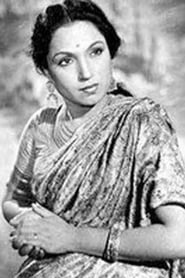
Lalita Pawar
Actor
Born: April 18, 1916 in Nashik, Bombay Presidency, British India Died: February 24, 1998 Active: 1928-1997 Birth Name: Amba Laxman Sagun
Films
8 films
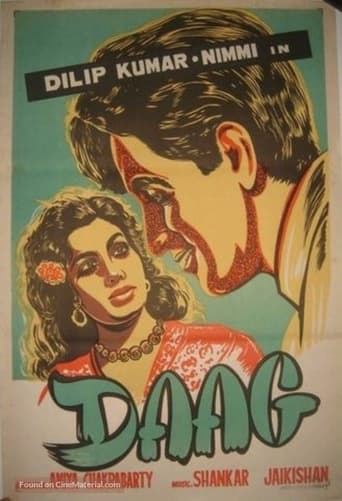
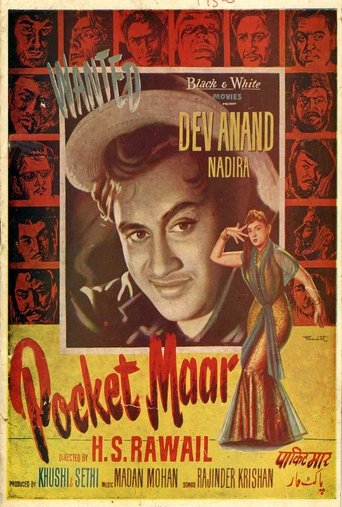

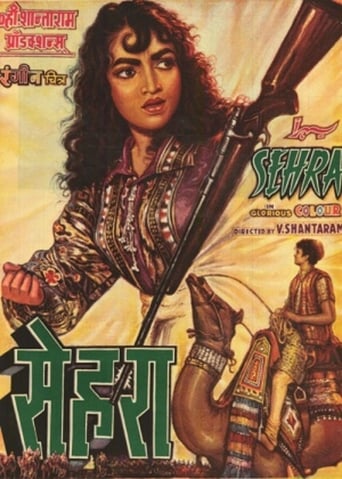
About Lalita Pawar
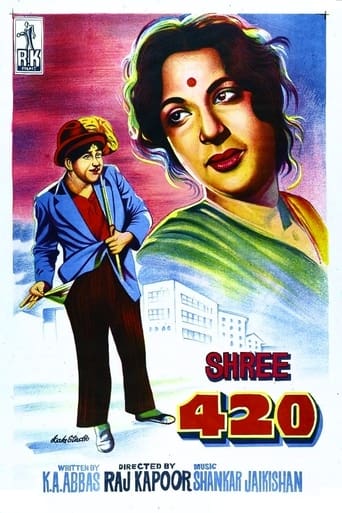
Lalita Pawar, born Amba Laxman Sagun, was one of Indian cinema's most prolific and versatile actresses, with a career spanning over seven decades from the silent era of the 1920s to the 1990s. She began as a child actress in silent films and successfully transitioned to talkies, initially playing leading lady roles before an on-set accident in 1942 permanently damaged her left eye, forcing her to reinvent herself as a character actress. This transformation proved fortuitous as she became the quintessential villain of Indian cinema, creating a template for the scheming mother-in-law and cruel matriarch that would influence generations of performers. Her most role came in Raj Kapoor's 'Shree 420' (1955) where she played the formidable Mrs. D'Sa, showcasing her ability to balance menace with humanity. Throughout her career, she appeared in more than 700 films across Hindi, Marathi, and Gujarati cinema, working with virtually every major star and director of her era. Her remarkable longevity and adaptability made her a bridge between the silent era and modern Indian cinema, earning her the nickname 'The Queen of Villains' while also proving equally adept at comedic and sympathetic roles.
The Craft
On Screen
Lalita Pawar developed a distinctive acting style characterized by her piercing gaze, authoritative voice, and commanding screen presence. Her villainous performances were marked by a subtle blend of menace and psychological complexity, avoiding caricature in favor of creating layered antagonists with understandable motivations. She mastered the art of conveying emotion through minimal gestures, particularly using her eyes and facial expressions to communicate everything from contempt to vulnerability. Her comic timing was equally remarkable, bringing a dry wit to her roles that made even her villainous characters endearing to audiences. In mother roles, she portrayed both the overbearing matriarch and the nurturing parent with equal authenticity, making her.
Milestones
- Debuted in silent film 'Raja Harishchandra' (1928) as a child artist
- Transitioned successfully from leading lady to character actress after 1942 accident
- Established herself as the premier villain of Indian cinema with 'Shree 420' (1955)
- Produced and directed films under her own banner 'Pawar Pictures'
- Received Filmfare Award for Best Supporting Actress for 'Anari' (1959)
- Appeared in over 700 films across multiple Indian languages
- Received Padma Shri award in 1961 for contributions to Indian cinema
Best Known For
Iconic Roles
Must-See Films
Accolades
Won
- Filmfare Award for Best Supporting Actress for 'Anari' (1959)
- Filmfare Award for Best Supporting Actress for 'Main Chup Rahungi' (1962)
- Padma Shri (1961)
- Maharashtra State Government's 'Chitrashri' award (1990)
Nominated
- Filmfare Award for Best Supporting Actress for 'Gharana' (1961)
- Filmfare Award for Best Supporting Actress for 'Dulhan Ek Raat Ki' (1967)
Special Recognition
- Padma Shri, India's fourth highest civilian award (1961)
- Maharashtra Gaurav Puraskar (1990)
- Dadasaheb Phalke Award nomination (1996)
- Lifetime Achievement Award from Filmfare (1993)
Working Relationships
Worked Often With
Studios
Why They Matter
Impact on Culture
Lalita Pawar fundamentally shaped the archetype of the villain in Indian cinema, creating a template for the female antagonist that would dominate Bollywood for decades. Her portrayal of the scheming mother-in-law and cruel matriarch became so iconic that it influenced how Indian society perceived certain family dynamics, with her characters becoming cultural reference points. She broke gender barriers by proving that women could be powerful antagonists equal to male villains, paving the way for more complex female characters in Indian cinema. Her work demonstrated that character actors could achieve stardom and critical recognition, elevating the status of supporting roles in the industry. Beyond her villainous roles, she showed remarkable range in comedic and sympathetic parts, contributing to the evolution of character acting in Indian cinema.
Lasting Legacy
Lalita Pawar's legacy endures as one of Indian cinema's most accomplished character actresses, with her influence still visible in contemporary Bollywood. Her record of appearing in over 700 films remains unmatched, showcasing extraordinary longevity and adaptability across different eras of Indian cinema. The 'Lalita Pawar archetype' of the villainous mother-in-law continues to be referenced and parodied in modern Indian media, demonstrating her lasting cultural impact. She proved that physical appearance was no barrier to success, turning what could have been a career-ending injury into her greatest asset. Her journey from silent film child star to talkies leading lady to character actress serves as an inspiration for actors facing career transitions. The Padma Shri award she received recognized not just her individual achievements but her broader contribution to Indian cinema's development.
Who They Inspired
Lalita Pawar's influence extends across generations of Indian actors, particularly in how she elevated character acting to an art form. Her technique of blending menace with humanity influenced countless actors who followed in villainous roles, including Aruna Irani, Bindu, and more recently, Kirron Kher. Directors often referenced her work when directing similar characters, and her films became study material for actors learning the craft of character portrayal. Her success in both villainous and comic roles demonstrated the importance of versatility, influencing actors to avoid typecasting. Her ability to command attention in supporting roles changed how the industry viewed character actors, leading to better roles and recognition for performers in similar positions. Contemporary actresses playing mother figures often cite her as an inspiration for bringing depth and complexity to what could be stereotypical roles.
Off Screen
Lalita Pawar's personal life was marked by both professional success and personal challenges. She married director Gajanan Jagirdar in the 1930s, with whom she had a son, but the marriage ended in divorce. She later married Rajprakash Gupta, a businessman, and remained with him until his death. The accident that damaged her eye occurred during the filming of 'Jung Bahadur' (1942) when actor Master Bhagwan accidentally slapped her too hard during a scene. This incident, while initially devastating, became a turning point in her career, leading to her reinvention as a character actress. Despite her on-screen villainous image, she was known in the industry as a warm and generous person who mentored many young actors.
Education
Limited formal education due to early entry into films; completed basic schooling in Nashik before moving to Bombay for film work
Family
- Gajanan Jagirdar (1930s-1940s)
- Rajprakash Gupta (1940s-1980s)
Did You Know?
- Appeared in over 700 films,
- Her real name was Amba Laxman Sagun before adopting 'Lalita Pawar' as her screen name
- The famous eye injury occurred during a scene where actor Master Bhagwan was supposed to fake-slap her but hit her too hard
- She owned and operated her own film production company 'Pawar Pictures' in the 1940s
- Initially started as a child artist in the 1928 silent film 'Raja Harishchandra'
- Was one of the first Indian actresses to successfully transition from leading lady to character actress
- Her husband Gajanan Jagirdar was a prominent director with whom she collaborated on several films
- Despite playing villains, she was known for her charitable work and supported many struggling actors
- The scar on her left eye became her trademark and actually enhanced her villainous screen presence
- She worked in Hindi, Marathi, and Gujarati cinema, making her a truly pan-Indian actress
- Her role in 'Shree 420' was initially written for a male actor but Raj Kapoor rewrote it for her
- She continued acting well into her 70s, with her last film released in 1997
In Their Own Words
I never saw myself as a villain. I saw myself as an actor playing different roles, and if those roles happened to be negative, so be it.
The accident that damaged my eye was a blessing in disguise. It forced me to reinvent myself and discover my true calling as a character actress.
In cinema, there are no small roles, only small actors. I proved this by making even the smallest character memorable.
Playing the mother-in-law was challenging because I had to make the audience hate me on screen but respect me off screen.
My longevity in films came from never refusing any role, whether it was a heroine, a villain, or a comedy aunt.
Frequently Asked Questions
Who was Lalita Pawar?
Lalita Pawar was one of Indian cinema's most prolific character actresses, appearing in over 700 films from the 1920s to the 1990s. She was renowned for her villainous roles, particularly as the quintessential mother-in-law, and successfully transitioned from silent films to talkies and from leading lady to character actress.
What films is Lalita Pawar best known for?
Titles linked here include Shree 420 (1955), Anari (1959).
When was Lalita Pawar born and when did she die?
Born April 18, 1916; died February 24, 1998.
What awards did Lalita Pawar win?
She won two Filmfare Awards for Best Supporting Actress for 'Anari' (1959) and 'Main Chup Rahungi' (1962), received the Padma Shri in 1961, and was honored with Maharashtra State Government's 'Chitrashri' award in 1990. She also received several lifetime achievement awards recognizing her contribution to Indian cinema.
What was Lalita Pawar's acting style?
Her acting style was characterized by a commanding screen presence, piercing gaze, and remarkable versatility. She excelled at creating complex antagonists with psychological depth, avoiding caricature while mastering both menace and vulnerability. Her technique of conveying emotion through minimal gestures made her performances memorable and influential.
How did Lalita Pawar transition from heroine to character actress?
The transition occurred after a 1942 on-set accident during the filming of 'Jung Bahadur' where a mishap permanently damaged her left eye. This forced her to reinvent herself as a character actress, a change that proved fortuitous as she became the most celebrated villain in Indian cinema history.
What was Lalita Pawar's impact on Indian cinema?
She fundamentally shaped the archetype of the female villain in Indian cinema and elevated the status of character actors. Her work demonstrated that supporting roles could achieve critical recognition and stardom, paving the way for more complex female characters and better opportunities for character actors in the industry.