

Dahej
"A proud father refuses dowry—and pays a terrible price."
Keys: Space play/pause · ←/→ 10s · F fullscreen · M mute · </> speed
About this film
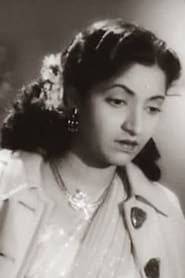
Proud Thakur and dignified man who loves his only daughter, Chanda, dearly. His wife and he receive a proposal for Chanda from the house of a lawyer and his wife. While Thakur accepts the proposal, he makes it clear to the lawyer that he is unable to afford any dowry. After the wedding, Chanda's mother-in-law starts harassing Chanda about her lack of dowry.
Cast & crew
More films like this
More Drama films
View all →







More from Shantaram Rajaram Vankudre
View all →
More about this film
About the production
Release date1952
Box officeUnknown - moderate success for its social message
ProductionRajkamal Kalamandir
Filmed inBombay (now Mumbai), India
Directed by the V. Shantaram as part of his series of socially relevant films that addressed pressing issues in Indian society. The film was produced during the early years of independent India when filmmakers were increasingly using cinema as a medium for social reform. V. Shantaram was known for his commitment to social themes and used this film to highlight the dowry system's detrimental effects. The production faced some resistance from conservative elements who felt the topic was too controversial for cinema.
Themes
Dowry systemWomen's oppressionFamily honorSocial reformGender inequality
Themes & topics
dowryharassmentsocial evilfamily dramamarriagemother-in-lawdaughterfather-daughter relationshipsocial reformemotional abuse
Historical background
Audiences around 1952 encountered Dahej in a market crowded with competing studios fighting for weekly program slots.
Why this film matters
Archivists and festival programmers revisit Dahej (1952) because it documents performance styles and craft choices that later mainstream releases refined or replaced.
Making of
The making of 'Dahej' reflected V. Shantaram's commitment to socially relevant cinema. As director and producer, he took significant creative risks by tackling the sensitive subject of dowry at a time when such topics were rarely addressed in mainstream cinema. The casting of Prithviraj Kapoor as Thakur was a strategic choice, as his stature in Indian theatre and cinema lent credibility to the film's serious message. Lalita Pawar's transformation into the cruel mother-in-law was so convincing that it reportedly affected her public image, with people often treating her with fear in real life. The film's production involved extensive research into real-life dowry cases to ensure authenticity in depicting the harassment faced by brides. V. Shantaram worked closely with his writers to craft a narrative that would be both emotionally engaging and socially impactful, using the melodramatic elements popular in Indian cinema to deliver a serious social message. The filming process was reportedly challenging due to the emotional intensity of certain scenes, particularly those depicting the harassment of the bride.
What critics said
Trade papers near 1952 treated Dahej as program material—noticed when exhibitors needed a reliable slot-filler, seldom debated as auteur cinema.
Did you know?
- Director V. Shantaram was a pioneer of social cinema in India and used 'Dahej' as part of his mission to create awareness about social evils
- The film was one of the earliest mainstream Indian films to directly address the dowry system, a topic considered taboo in cinema of that era
- Lalita Pawar, who played the antagonistic mother-in-law, was famous for her negative roles and became one of Bollywood's most memorable villains
- Prithviraj Kapoor, a figure in Indian theatre and cinema, brought gravitas to the role of the principled father
- The film's title 'Dahej' literally translates to 'dowry' in Hindi, making its social message immediately clear to audiences
- V. Shantaram's production company Rajkamal Kalamandir was known for producing films with strong social messages
- The film was released just five years after India's independence, during a period of intense social reform and nation-building
- Despite its serious subject matter, the film incorporated elements of family drama to make it accessible to mainstream audiences
- The screenplay was written to balance social commentary with emotional storytelling to maximize its impact
- The film was part of a broader movement in Indian cinema that used melodrama to address social issues
Awards & recognition
- Filmfare Award for Best Film (Nomination, 1953)
Visual style
The cinematography of Dahej reflected the stylistic conventions of early 1950s Indian cinema while effectively serving the film's dramatic narrative. The visual style emphasized high-contrast lighting to enhance the emotional intensity of key scenes, particularly those depicting the bride's suffering. Camera work was relatively static by modern standards but used careful composition to highlight the power dynamics between characters. The cinematographer employed medium close-ups to capture the emotional states of the characters, especially during confrontations between Chanda and her mother-in-law. The visual palette was dominated by earthy tones and shadows, creating a somber atmosphere appropriate to the film's serious subject matter. The film used lighting to symbolically represent the protagonist's journey from hope to despair, with brighter scenes in the early portions giving way to darker visuals as the harassment intensified. The visual storytelling complemented the narrative's emotional arc, using framing and composition to reinforce the themes of oppression and resilience.
Innovations
While Dahej did not introduce groundbreaking technical innovations, it demonstrated sophisticated use of existing film techniques to enhance its social message. The film employed effective sound design to emphasize the emotional impact of confrontational scenes, using silence strategically to heighten tension. The editing techniques, while conventional for the period, effectively paced the narrative to build emotional intensity gradually. The production design created authentic domestic environments that helped audiences relate to the characters' situations. The film's technical approach prioritized clarity and emotional impact over stylistic experimentation, reflecting V. Shantaram's focus on message delivery. The makeup and costume design were particularly effective in character development, especially in transforming Lalita Pawar into the intimidating mother-in-law. The film's technical achievements lay in its successful integration of various cinematic elements to create a cohesive and powerful social narrative. The technical team's work demonstrated how conventional film techniques could be used effectively to address serious social issues.
Music
The music for Dahej was composed by Vasant Desai, a frequent collaborator with V. Shantaram who was known for his ability to create music that enhanced the emotional impact of social dramas. The soundtrack featured a mix of classical and folk-inspired melodies that reflected the film's rural setting and traditional values. The songs were not merely entertainment but served to advance the narrative and highlight key emotional moments. Notable tracks included poignant numbers that expressed the protagonist's suffering and her father's anguish. The lyrics, written by respected poets of the era, carried social messages that reinforced the film's themes. The background score used traditional Indian instruments to create an authentic atmosphere while employing Western orchestral techniques to heighten dramatic tension. The soundtrack was well-received for its ability to complement the film's serious tone without overwhelming the narrative. Music played a crucial role in making the film's social message accessible to mainstream audiences of the time.
Famous quotes
Dahej nahi denge, par beti ki izzat zaroor denge" (We won't give dowry, but we will definitely give our daughter's honor)
Beti ki khushi hi hamara daulat hai" (Our daughter's happiness is our wealth)
Yeh dahej ka riwaz hamare samaj ko kha raha hai" (This custom of dowry is eating away our society)
Memorable scenes
- The emotional confrontation between Thakur and the lawyer where he proudly declares his inability to pay dowry but offers his daughter's virtues instead
- The series of scenes showing Chanda's systematic harassment by her mother-in-law, each escalating in cruelty
- The heartbreaking moment when Chanda writes a letter to her father describing her suffering
- The climactic scene where Thakur confronts his daughter's in-laws about their treatment of Chanda
- The final resolution scene that delivers the film's powerful social message about ending the dowry system
What audiences thought
Dahej resonated strongly with audiences in 1952, many of whom had personal experience with the dowry system's devastating effects. The film's emotional portrayal of a young bride's suffering struck a chord with viewers, particularly women who had faced similar pressures. Audience reports from the time indicate that many viewers were moved to tears by the film's powerful scenes of harassment and emotional abuse. The film sparked discussions in families and communities about the practice of dowry, with some reports of viewers reconsidering their own attitudes toward the practice. While the film was not a blockbuster in commercial terms, it achieved moderate box office success and was remembered more for its social impact than its financial performance. The film's reputation has grown over time, with film enthusiasts and scholars recognizing its importance in Indian cinema history. Modern audiences who have seen the film through retrospectives and film festivals continue to appreciate its bold social commentary and emotional power.
Film connections
Influenced by
- Indian social reform movements of the 1950s
- Traditional Indian folk tales about marital oppression
- Early Indian theatrical traditions addressing social issues
- V. Shantaram's previous social films including 'Shakuntala' and 'Dr. Kotnis Ki Amar Kahani'
This film influenced
- Subsequent Indian films addressing dowry including 'Nadiya Ke Paar' (1982), 'Saajan Bina Suhagan' (1978), and modern films like 'Dil Dhadakne Do' (2015) which touched upon dowry-related issues
Film restoration
The preservation status of Dahej is concerning, as many Indian films from the 1950s have been lost due to poor archival practices. While some prints may exist in private collections or film archives, there is no confirmed restoration project for this film. The Film Heritage Foundation and other Indian film preservation organizations have been working to identify and restore classic Indian films, but Dahej's status remains uncertain. Some portions of the film may be available in degraded condition through collectors or in film institute archives. The lack of a proper digital restoration means that contemporary audiences have limited access to this important social drama. The film's preservation challenges reflect the broader crisis of Indian film heritage, with an estimated 70% of Indian films made before 1950 believed to be lost forever.
Where to watch
- Limited availability - occasional screenings at Indian film festivals and retrospectives
- Possible availability through National Film Archive of India for research purposes
- Some segments may be found on YouTube in poor quality
- Not currently available on major streaming platforms
- Film enthusiasts may need to contact Indian film societies or cultural organizations for access to rare screenings