
Films
1 film
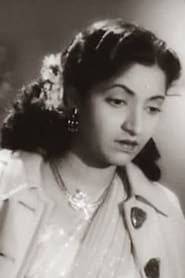
About Jayashree
Jayashree worked on one surviving credit: Dahej (1952). Her career, though brief, was marked by her appearance in the socially significant film 'Dahej' (1952), which addressed the sensitive issue of dowry system in Indian society. The film was directed by V. Shantaram, one of the pioneers of Indian cinema, and Jayashree's role contributed to the film's powerful narrative about the evils of the dowry tradition. Her performance in 'Dahej' demonstrated her ability to handle serious, socially relevant subject matter with emotional depth and authenticity. Unfortunately, her filmography appears to be limited to this single notable film, making her a one-film wonder in the annals of classic Indian cinema. Despite her brief career, her contribution to this important social drama has ensured her place in film history. The film 'Dahej' itself was critically acclaimed and is remembered as one of the early examples of socially conscious cinema in India.
The Craft
On Screen
Based on her appearance in 'Dahej', Jayashree demonstrated a naturalistic acting style suited for serious, dramatic roles. Her performance was characterized by emotional authenticity and the ability to convey the struggles of women in traditional Indian society. She brought depth to her character, effectively portraying the challenges faced by women dealing with dowry pressures.
Milestones
- Starred in the socially significant film 'Dahej' (1952) directed by V. Shantaram
- Contributed to early socially relevant cinema in India
Best Known For
Iconic Roles
Must-See Films
Working Relationships
Worked Often With
Studios
Why They Matter
Impact on Culture
Jayashree's contribution to Indian cinema, though limited to one film, is significant due to her participation in 'Dahej,' which was among the early films in Indian cinema to tackle the sensitive social issue of dowry. The film was part of a movement in the 1950s that used cinema as a medium for social reform and awareness. Her performance helped bring attention to the plight of women in traditional Indian society and contributed to the discourse on social change through cinema. The film itself remains an important example of how classic Indian cinema addressed pressing social issues.
Lasting Legacy
Jayashree's legacy is intrinsically tied to the film 'Dahej' (1952), which has endured as an important work in the history of socially relevant Indian cinema. While her filmography may be brief, her contribution to this significant film ensures her place in the annals of classic Indian cinema. The film continues to be referenced in discussions about early Indian cinema's role in social reform, and by extension, so does her contribution to it.
Who They Inspired
Due to her brief career, direct information about Jayashree's influence on other actors is limited. However, her work in socially relevant cinema during the early 1950s contributed to the growing trend of meaningful cinema in India that would influence future generations of filmmakers and actors who sought to use the medium for social commentary.
Off Screen
Very limited information is available about Jayashree's personal life, as her career in cinema was extremely brief and she appears to have been primarily active in just one film. Like many actors from early Indian cinema who had short careers, detailed personal records are scarce.
Did You Know?
- Jayashree's only known film appearance was in 'Dahej' (1952)
- The film 'Dahej' was directed by the legendary V. Shantaram
- The film addressed the controversial topic of dowry system in India
- Despite having only one film to her credit, she worked with one of India's most respected directors
- The film was produced by Rajkamal Studios, one of the prominent production houses of that era
- Her career coincided with the golden era of Indian cinema when socially relevant films were gaining prominence
Frequently Asked Questions
Who was Jayashree?
Indian actress from the early 1950s who is primarily known for her role in the socially significant film 'Dahej' (1952). Though her career was brief, she contributed to important early Indian cinema that addressed social issues.
What films is Jayashree best known for?
Titles linked here include Dahej (1952).
When was Jayashree born and when did she die?
Specific birth and death dates for Jayashree are not readily available in historical records, which is common for many actors from early Indian cinema who had brief careers.
What awards did Jayashree win?
There are no documented awards or nominations for Jayashree, likely due to her very brief film career consisting of only one known film.
What was Jayashree's acting style?
Based on her work in 'Dahej', Jayashree employed a naturalistic acting style suited for dramatic, socially relevant roles. She demonstrated emotional authenticity in portraying women's struggles in traditional Indian society.
Who did Jayashree work with?
Jayashree worked with renowned director V. Shantaram in 'Dahej' (1952). The film was produced by Rajkamal Studios, one of the prominent production houses of that era.
Why is Jayashree significant in Indian cinema history?
Jayashree is significant because she participated in one of the early socially relevant films of Indian cinema. 'Dahej' was among the first films to address the dowry system, contributing to the tradition of cinema as a medium for social reform in India.