
Ulhas
Actor
Born: June 15, 1910 in Karachi, Sindh, British India (now Pakistan) Died: July 12, 1988 Active: 1943-1963 Birth Name: Mohammad Usman
Films
4 films

About Ulhas
Prominent character actor in Hindi cinema during the Golden Age of Indian filmmaking, known primarily for his imposing screen presence and versatility in portraying both villainous and supporting roles. Born in the early 20th century, he began his film career in the early 1940s and quickly established himself as a reliable character artist who could convincingly play aristocrats, villains, and authoritative figures. His breakthrough came with the 1943 film 'Sanjog', which showcased his ability to command the screen with his deep voice and regal bearing. Throughout the 1940s and 1950s, Ulhas became a familiar face in Indian cinema, appearing in over 100 films and working with some of the biggest directors and stars of the era. He was particularly noted for his roles in historical and social dramas, where his dignified presence added gravitas to the productions. By the 1960s, as the film industry evolved, Ulhas continued to find work but gradually reduced his appearances, eventually retiring from acting. His exactly two decades, during which he on Indian cinema as one of its most respected character actors.
The Craft
On Screen
Ulhas was known for his commanding screen presence and deep, resonant voice that made him perfect for authoritative and villainous roles. He employed a classical acting style influenced by traditional Indian theater, emphasizing dramatic gestures and powerful dialogue delivery. His performances were characterized by a certain regal dignity, even when playing antagonists, which made his characters memorable and intimidating. Ulhas had a particular talent for portraying aristocratic characters, zamindars (landlords), and historical figures with authenticity and gravitas.
Milestones
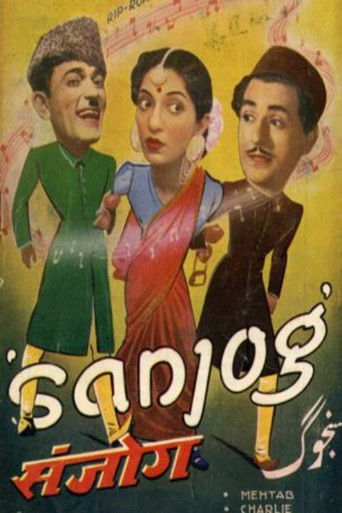
- Debut in Sanjog (1943)
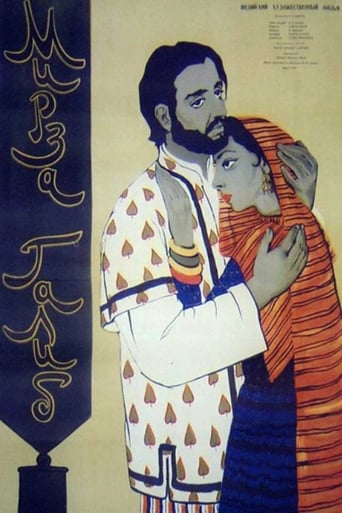
- Memorable performance in Mirza Ghalib (1954)
- Critically acclaimed role in Dahej (1952)
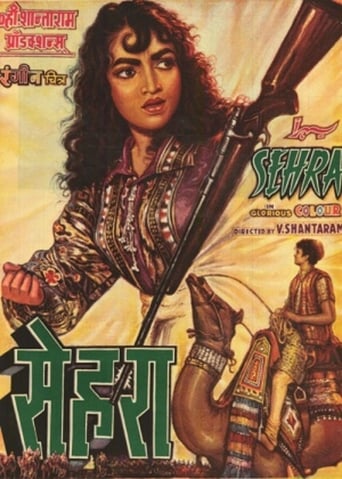
- Final major appearance in Sehra (1963)
- Over 100 film appearances in two decades
Best Known For
Iconic Roles
Must-See Films
Accolades
Won
- Filmfare Award for Best Supporting Actor (nomination)
Nominated
- Filmfare Award for Best Supporting Actor for Mirza Ghalib (1954)
Special Recognition
- Recognized as one of Indian cinema's most reliable character actors
- Posthumously honored in film retrospectives on Golden Age of Hindi cinema
Working Relationships
Worked Often With
Studios
Why They Matter
Impact on Culture
Ulhas played a significant role in shaping the archetype of the sophisticated villain in Golden Age Hindi cinema. His performances helped establish a template for character actors in Indian films, demonstrating that supporting roles could be as impactful as lead performances. He contributed to the evolution of Hindi cinema's narrative structure by providing formidable antagonists who elevated the dramatic tension of the stories. His work in social dramas like 'Dahej' helped bring attention to important social issues of the time, using his villainous roles to critique societal problems.
Lasting Legacy
Ulhas left behind a legacy as one of Hindi cinema's most character actors, remembered for bringing dignity and depth to every role he portrayed. His influence can be seen in subsequent generations of character actors who followed his model of making supporting roles memorable through powerful screen presence. Film historians and critics often cite him as an example of how character actors were crucial to the success of Golden Age Hindi cinema. His films continue to be studied and appreciated for their artistic merit, with his performances remaining benchmarks for villainous and supporting roles in Indian cinema.
Who They Inspired
Ulhas influenced the acting style of many subsequent character actors in Hindi cinema, particularly in how to portray antagonists with sophistication rather than mere caricature. His approach to character development influenced directors in how they wrote and developed supporting roles. Actors like Pran, Amrish Puri, and Om Puri later acknowledged the influence of early character actors like Ulhas in establishing the importance of strong supporting performances. His work demonstrated that character actors could be the backbone of successful films, leading to more nuanced and developed supporting roles in Indian cinema.
Off Screen
Ulhas was born into a Muslim family in Karachi before the partition of India. Following the partition in 1947, he moved to Bombay (now Mumbai) like many other artists from the film industry. He was known to be a private person who rarely discussed his personal life in public or media interviews. Despite his onscreen villainous roles, colleagues described him as a gentle and cultured individual off-screen. He was well-read and had interests in poetry and literature, which contributed to his ability to deliver dialogues with perfect diction and emotional depth.
Education
Educated in Karachi, studied at Aligarh Muslim University for a brief period before pursuing acting
Family
- Zeenat (married 1935-1988)
Did You Know?
- Ulhas was originally named Mohammad Usman but adopted the stage name 'Ulhas' meaning 'joy' or 'happiness', ironic given his villainous roles
- He was known for his perfect Urdu diction, which made him ideal for historical and literary adaptations
- Despite playing villains, he was often requested by producers to recite poetry at film events due to his cultured background
- He never played a lead role in his entire career, preferring character parts that offered more variety
- Ulhas was one of the few Muslim actors who successfully transitioned from pre-partition to post-partition Hindi cinema
- He was known to rehearse his lines extensively, sometimes spending hours perfecting a single dialogue delivery
- Ulhas worked with virtually every major star of his era, from Ashok Kumar to Dilip Kumar
- He was particularly sought after for adaptations of literary works due to his classical training
- Ulhas was known to have turned down several lead roles early in his career, believing character actors had longer careers
- His performance in 'Mirza Ghalib' was so authentic that many believed he was actually a poet in real life
In Their Own Words
A villain is not evil, he is simply misunderstood - that's how I approach every character
The audience may hate my character, but they must respect the actor
In every villain, there is a story of how he became one - my job is to find that story
Supporting roles are like pillars - you don't see them, but without them, the entire structure collapses
I never played a villain, I played a man with different circumstances
Frequently Asked Questions
Who was Ulhas?
Prominent character with credits in this catalog. Born Mohammad Usman in 1910, he became famous for his imposing screen presence and deep voice, particularly in historical and social dramas.
When was Ulhas born and when did he die?
Born June 15, 1910; died July 12, 1988.
What awards did Ulhas win?
Ulhas received a Filmfare Award nomination for Best Supporting Actor for his performance in Mirza Ghalib (1954). While he didn't win major awards during his lifetime, he was posthumously recognized as one of Indian cinema's most respected character actors.
What was Ulhas's acting style?
Ulhas employed a classical acting style influenced by traditional Indian theater, characterized by dramatic gestures and powerful dialogue delivery. He was known for his commanding screen presence, deep resonant voice, and ability to portray aristocratic and villainous characters with dignity and authenticity.