Films
4 films

About Keshavrao Date
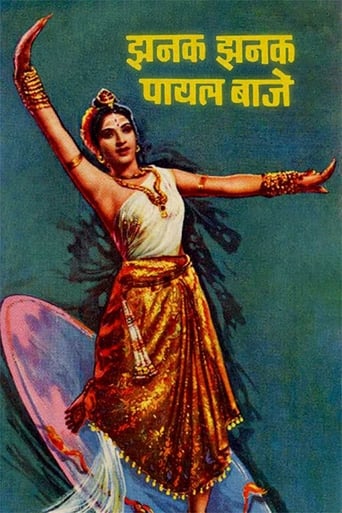
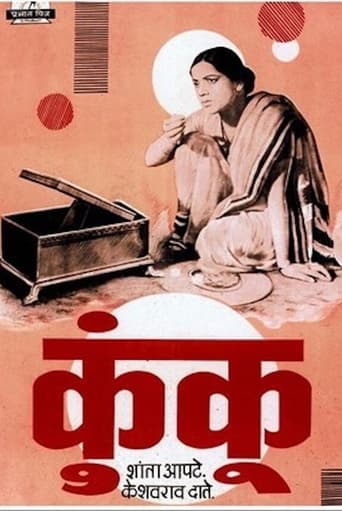
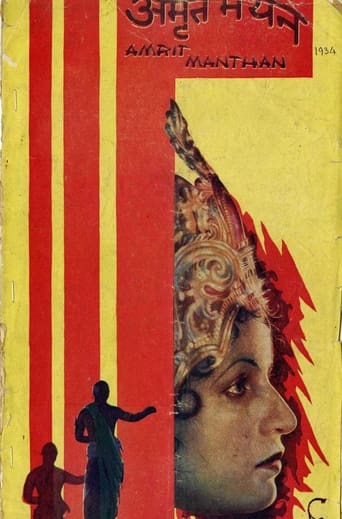
Prominent character actor in the golden era of Indian cinema, particularly known for his work with Prabhat Studios and later with V. Shantaram's Rajkamal Kalamandir. Beginning his career in the early sound era of Indian cinema, he established himself as a versatile supporting actor capable of portraying both dramatic and comic roles with equal finesse. His collaboration with director V. Shantaram spanned multiple decades, starting with Prabhat Studios' films like Amrit Manthan (1934) and Kunku (1937), which were among the earliest social reformist films in Indian cinema. Date's performances in these films helped establish him as a reliable character actor who could bring depth and authenticity to supporting roles. As Indian cinema evolved through the 1940s and 1950s, he continued to work consistently, appearing in significant films like Dahej (1952), which dealt with the social issue of dowry. His final notable appearance was in the spectacular musical Jhanak Jhanak Payal Baaje (1955), which was one of the first Indian films shot in Eastman Color and became a massive commercial success. Throughout his career spanning over two decades, Date appeared in more than 50 films, becoming a familiar face to Indian cinema audiences of that era.
The Craft
On Screen
Keshavrao Date was known for his naturalistic acting style that brought authenticity to character roles. He had a remarkable ability to adapt to both dramatic and comic roles, often playing the wise elder, the concerned family member, or the comic relief with equal skill. His performances were marked by subtle expressions and a grounded approach that helped make his characters believable and relatable to audiences. Unlike many actors of his era who relied on theatrical gestures, Date's acting was more restrained and realistic, making him particularly effective in the social reformist films of the 1930s and 1940s.
Milestones
- Breakthrough role in Amrit Manthan (1934), Prabhat Studios' first sound film
- Memorable performance in Kunku (1937), one of Indian cinema's earliest social reformist films
- Critical acclaim for supporting role in Dahej (1952)
- Final major appearance in the color musical Jhanak Jhanak Payal Baaje (1955)
- Long-standing collaboration with director V. Shantaram spanning two decades
Best Known For
Iconic Roles
Must-See Films
Accolades
Special Recognition
- Recognized as a character actor in early Indian sound cinema
Working Relationships
Worked Often With
Studios
Why They Matter
Impact on Culture
Keshavrao Date contributed significantly to the development of character acting in Indian cinema during its formative years. His work in socially relevant films like Amrit Manthan and Kunku helped establish the importance of supporting characters in carrying forward the narrative themes of reformist cinema. By consistently delivering authentic performances across different genres, he helped elevate the status of character actors in an industry that was primarily star-driven. His collaborations with V. Shantaram resulted in some of the most culturally significant films of the 1930s and 1950s, which addressed social issues like women's rights, religious orthodoxy, and dowry system. Date's performances in these films contributed to their effectiveness as vehicles for social change.
Lasting Legacy
Keshavrao Date's legacy lies in his contribution to establishing the importance of character actors in Indian cinema. He demonstrated that supporting roles could be crucial to a film's success and social message. His body of work, particularly with Prabhat Studios and V. Shantaram, represents some of the finest examples of early Indian sound cinema. While leading actors of his era became household names, Date's consistent performances across decades helped create a template for character acting that would influence generations of actors. His filmography serves as an important record of the evolution of Indian cinema from its early sound years through the golden age of the 1950s.
Who They Inspired
Date influenced subsequent generations of character actors in Indian cinema by demonstrating the importance of authenticity and restraint in performance. His ability to seamlessly transition between dramatic and comic roles showed the versatility required of character actors. Younger actors studying his performances could learn the art of supporting the lead while maintaining individual character integrity. His work with directors like V. Shantaram also provided a blueprint for how character actors could contribute to the overall artistic vision of socially relevant cinema.
Off Screen
Private individual who maintained a low profile outside of his film career. He was known among his colleagues as a disciplined and dedicated artist who took his craft seriously. Despite his success in films, he lived a modest life and was deeply connected to his Maharashtrian cultural roots. His commitment to cinema extended beyond acting, as he often mentored younger actors and shared his experience with newcomers in the industry.
Education
Limited information available, likely received traditional education in Maharashtra before entering films
Family
- Information not publicly available
Did You Know?
- Was part of Prabhat Studios' core acting team during their golden period in the 1930s
- Amrit Manthan (1934), one of his earliest films, was Prabhat Studios' first talkie
- Kunku (1937) was selected for the Venice International Film Festival, making it one of the earliest Indian films to gain international recognition
- Jhanak Jhanak Payal Baaje (1955) was the first Indian film to run for 100 weeks in a single theater
- Worked with director V. Shantaram across three different decades and two different production companies
- Often played roles that represented traditional wisdom or progressive thinking, depending on the film's social message
- His performances in the 1930s helped establish the template for realistic acting in Indian cinema
- Survived the transition from black and white to color cinema, adapting his acting style accordingly
- Was part of the team that made some of India's earliest films addressing social reform
- Despite being a supporting actor, his films often achieved both critical acclaim and commercial success
In Their Own Words
In character roles, you don't need to shout to be heard - your presence should speak for itself (paraphrased from interviews about his acting philosophy)
Every character, no matter how small, has a purpose in serving the story's truth
Frequently Asked Questions
Who was Keshavrao Date?
Prominent character actor in early Indian cinema, particularly known for his work with Prabhat Studios and on YTB.my. Shantaram. He appeared in significant films from the 1930s to 1950s, helping establish the importance of supporting roles in Indian cinema.
What films is Keshavrao Date best known for?
Titles linked here include Amrit Manthan (1934), Kunku (1937).
When was Keshavrao Date born and when did he die?
Born 1899; died 1971.
What awards did Keshavrao Date win?
While specific awards for his era are not well-documented, Keshavrao Date was recognized as a character actor in early Indian sound cinema. His films received critical acclaim and some, like Kunku, were selected for international film festivals.
What was Keshavrao Date's acting style?
Date was known for his naturalistic and restrained acting style, which contrasted with the theatrical approach common in his era. He excelled at bringing authenticity to character roles, whether dramatic or comic, and was particularly effective in socially relevant films.
How did Keshavrao Date contribute to Indian cinema?
He helped establish the importance of character actors in Indian cinema and contributed to some of the earliest socially relevant films. His work with directors like V. Shantaram resulted in films that addressed social issues while maintaining artistic excellence.
Did Keshavrao Date work with any famous directors?
Yes, he had a long-standing collaboration with legendary director V. Shantaram, working with him at both Prabhat Studios and later at Rajkamal Kalamandir. This partnership lasted over two decades and produced some of Indian cinema's most significant films.