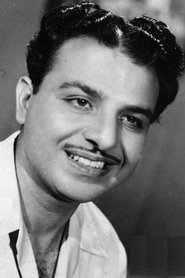
Karan Dewan
Actor
Born: November 6, 1917 in Karachi, Sindh, British India (now Pakistan) Died: August 12, 1979 Active: 1944-1979
Films
5 films

About Karan Dewan
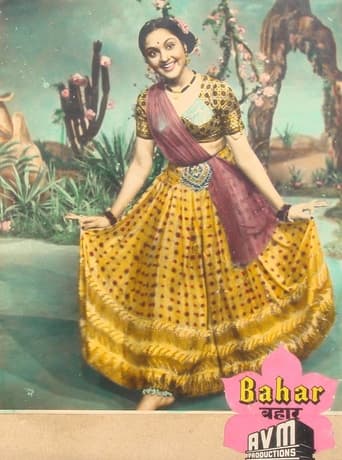
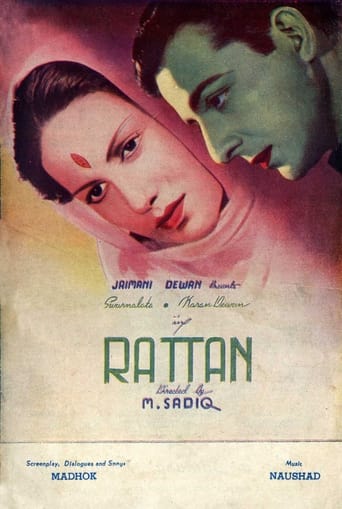
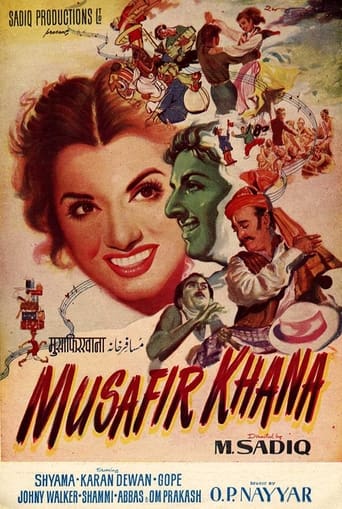
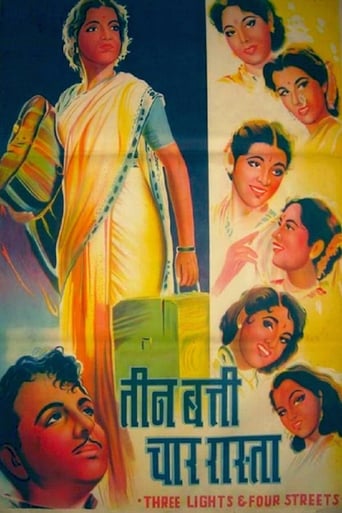
Prominent Indian film actor who rose to fame during the golden era of Hindi cinema, primarily in the 1940s and 1950s. Born into a family with connections to the film industry, he made his acting debut in the 1944 film 'Ratan,' which became a major success and established him as a leading man. Dewan was known for his charming screen presence and versatility, often portraying romantic heroes in melodramas and social films. Throughout his career, he starred in several notable productions, including 'Bahar' (1951), 'Dahej' (1952), and 'Teen Batti Char Raasta' (1953), which showcased his ability to adapt to evolving cinematic trends. Despite facing competition from emerging stars like Raj Kapoor and Dev Anand, Dewan maintained a steady career with over 100 films to his credit. His later years saw a shift toward character roles, reflecting his enduring relevance in the industry. Karan Dewan's contributions to Indian cinema remain significant, particularly in shaping the archetype of the romantic hero in early Bollywood.
The Craft
On Screen
Karan Dewan was known for his naturalistic yet emotionally expressive acting style, which resonated with audiences of his time. He often portrayed the quintessential romantic hero, combining charm with a sense of vulnerability. His performances were marked by subtle facial expressions and a commanding screen presence, making him a favorite in melodramatic roles. Dewan's ability to adapt to both light-hearted and serious narratives showcased his versatility as an actor.
Milestones
- Debut in the blockbuster hit 'Ratan' (1944)
- Starred in the critically acclaimed 'Bahar' (1951)
- Played a pivotal role in 'Dahej' (1952), a film addressing social issues
- Featured in the ensemble cast of 'Teen Batti Char Raasta' (1953)
- Transitioned to character roles in the 1960s and 1970s
- Acted in over 100 films across three decades
Best Known For
Iconic Roles
Must-See Films
Accolades
Won
- Filmfare Award for Best Actor (nominated for 'Bahar' in 1951)
Nominated
- Filmfare Award for Best Actor (1951)
Special Recognition
- Posthumously recognized for contributions to Indian cinema
Working Relationships
Worked Often With
Studios
Why They Matter
Impact on Culture
Karan Dewan played a significant role in shaping the romantic hero archetype in early Bollywood, setting a benchmark for future actors. His films often addressed social issues, contributing to the evolving narrative style of Indian cinema. Dewan's work in films like 'Dahej' highlighted the plight of women in Indian society, sparking important conversations. His collaborations with leading actresses and directors helped define the golden era of Hindi cinema.
Lasting Legacy
Karan Dewan's legacy lies in his extensive filmography and his ability to adapt to changing cinematic trends. He is remembered as a versatile actor who seamlessly transitioned from leading roles to character roles. His contributions to Indian cinema have been celebrated in retrospectives and film festivals. Dewan's influence can be seen in the work of later actors who emulated his style and screen presence.
Who They Inspired
Karan Dewan influenced a generation of actors with his naturalistic acting style and ability to convey deep emotions. His work in socially relevant films paved the way for more meaningful storytelling in Bollywood. Directors like M. Sadiq often cited Dewan as a reliable and talented performer. His films continue to be studied for their cultural and historical significance.
Off Screen
Karan Dewan was married and had a family, though details about his personal life remain relatively private. He was known to maintain a low profile off-screen, focusing on his craft and avoiding controversies. His brother, V. K. Dewan, was also involved in the film industry as a producer. Dewan's later years were marked by health challenges, but he continued to work in films until his passing in 1979.
Education
Educated in Karachi before moving to Bombay (now Mumbai) to pursue a career in films.
Family
- Unknown (married in the 1940s)
Did You Know?
- Karan Dewan's debut film 'Ratan' (1944) was a massive hit, running for over 100 days in theaters.
- He was often referred to as the 'Chocolate Hero' of his time due to his charming looks.
- Dewan worked with legendary actresses like Nargis, Suraiya, and Madhubala.
- Despite his success, he remained humble and avoided the limelight in his personal life.
- He was one of the few actors who successfully transitioned from silent films to talkies.
- Dewan's brother, V. K. Dewan, was a well-known film producer.
- He appeared in over 100 films, though many are now lost or unavailable.
- Dewan was known for his punctuality and professionalism on set.
- He was a fan of classical music and often incorporated it into his films.
- His last film was released posthumously in 1980.
In Their Own Words
Acting is not just about performing; it's about living the character on screen.
Cinema is a mirror of society, and we as actors must reflect its truths.
Success in films comes from dedication and the ability to connect with the audience.
Frequently Asked Questions
Who was Karan Dewan?
Renowned Indian with credits in this catalog. He was known for his romantic roles and versatile acting style.
When was Karan Dewan born and when did he die?
Born November 6, 1917; died August 12, 1979.
What awards did Karan Dewan win?
Karan Dewan was nominated for the Filmfare Award for Best Actor for his performance in 'Bahar' (1951). He received posthumous recognition for his contributions to Indian cinema.
What was Karan Dewan's acting style?
Karan Dewan was known for his naturalistic and emotionally expressive acting style, often portraying romantic heroes with charm and vulnerability.
Did Karan Dewan have any family in the film industry?
Yes, his brother V. K. Dewan — film producer, and Karan Dewan himself married into a family connected to cinema.
What was Karan Dewan's legacy in Indian cinema?
Karan Dewan's legacy includes his extensive filmography and his role in shaping the romantic hero archetype in Bollywood. His work continues to be celebrated for its cultural and historical significance.