
Prithviraj Kapoor
Actor
Born: November 3, 1906 in Lyallpur, Punjab Province, British India (now Faisalabad, Pakistan) Died: May 29, 1972 Active: 1929-1972
Films
5 films


About Prithviraj Kapoor
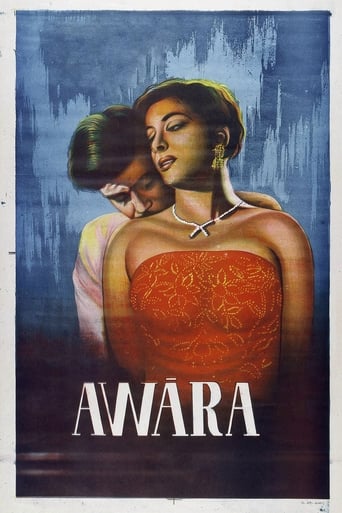
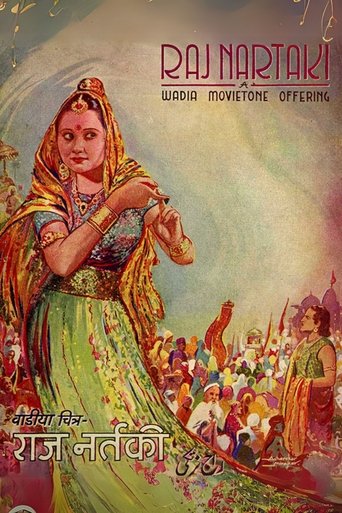
Figure in Indian theater and cinema, the founding fathers of modern Indian performing arts. Born in Lyallpur (now Faisalabad, Pakistan) in 1906, he began his career in theater before transitioning to films in the late 1920s. He gained prominence working with New Theatres in Calcutta, starring in landmark films like Vidyapati (1937) and Sikandar (1941), which showcased his commanding screen presence and classical acting style. In 1944, he founded Prithvi Theatre in Bombay, which became a cultural institution and traveling theater company that performed socially relevant plays across India. His film career reached new heights with his powerful performance as the judge in his son Raj Kapoor's masterpiece Awaara (1951), which gained international acclaim. Throughout his career, he balanced his film work with his passion for theater, believing strongly in the power of performing arts to educate and transform society. He continued acting until his death in 1972, leaving behind not just a remarkable body of work but also establishing the Kapoor family dynasty that would dominate Indian cinema for generations.
The Craft
On Screen
Prithviraj Kapoor was known for his classical, theatrical acting style characterized by powerful voice modulation, grand gestures, and commanding stage presence. His training in traditional Indian theater influenced his film performances, bringing a Shakespearean gravitas to his roles. He excelled at portraying historical figures and authority figures, using his deep baritone voice and imposing stature to create memorable characters. His acting combined elements of Sanskrit drama traditions with modern realism, making him particularly effective in period films and social dramas.
Milestones
- Founding member of Indian People's Theatre Association (1943)
- Establishment of Prithvi Theatre (1944)
- Breakthrough performance in Vidyapati (1937)
- Iconic portrayal of Emperor Sikandar in Sikandar (1941)
- Memorable performance as Judge in Awaara (1951)
- work in bridging theater and cinema in India
- Establishing the Kapoor family dynasty in Indian entertainment
Best Known For
Iconic Roles
Must-See Films
Accolades
Won
- Sangeet Natak Akademi Award (1959)
- Padma Bhushan (1969)
- Dadasaheb Phalke Award (1971, posthumous)
Nominated
- Filmfare Award for Best Actor for Awaara (1952)
Special Recognition
- Founding member of Indian People's Theatre Association
- Honored with postage stamp by Indian Postal Service (1977)
- Prithvi Theatre named in his honor continues to operate in Mumbai
- Multiple film festivals have held retrospectives of his work
Working Relationships
Worked Often With
Studios
Why They Matter
Impact on Culture
Prithviraj Kapoor revolutionized Indian theater by founding Prithvi Theatre, which brought quality theater to the masses across India. His work with the Indian People's Theatre Association helped establish politically conscious theater that addressed social issues. He was instrumental in bridging the gap between classical Indian performing arts and modern cinema, bringing theatrical gravitas to film acting. His performances in historical films helped create a template for portraying Indian historical figures on screen. The Kapoor family dynasty he established has influenced Indian cinema for over eight decades, with multiple generations achieving stardom.
Lasting Legacy
Prithviraj Kapoor's legacy extends far beyond his filmography; he fundamentally shaped Indian performing arts through his theater work and cinematic achievements. Prithvi Theatre continues to operate in Mumbai as a cultural hub, named in his honor. The Kapoor family remains. His approach to combining social consciousness with entertainment influenced generations of Indian filmmakers and actors. The annual Prithvi Theatre Festival continues to celebrate his contribution to Indian arts.
Who They Inspired
Prithviraj Kapoor influenced Indian cinema by establishing a model of the serious, classically-trained actor who could bridge theater and film. His powerful screen presence and dignified portrayal of historical figures set standards for period films in Indian cinema. He mentored not only his sons but also numerous theater artists who went on to shape Indian performing arts. His emphasis on using art for social change influenced the parallel cinema movement in India. The professional approach he brought to theater management influenced how theater companies operate in India.
Off Screen
Prithviraj Kapoor was married to Ramsarni Mehra Kapoor, with whom he had four children. The family lived in Bombay where he balanced his theater work with film commitments. He was deeply involved in the cultural and political movements of his time, using his art to address social issues. Despite his fame, he remained grounded and focused on nurturing artistic talent, both within his family and in the broader artistic community.
Education
Educated at Edwardes College in Peshawar and later at Hindu College in Delhi, where he developed his interest in theater and performing arts.
Family
- Ramsarni Mehra Kapoor (1923-1972)
Did You Know?
- He was one of the first Indian actors to have a career spanning both silent films and talkies
- Founded Prithvi Theatre with a loan of Rs. 5000 from a friend
- His troupe traveled over 100,000 miles performing plays across India
- Despite his fame, he remained actively involved in every aspect of Prithvi Theatre
- He was a polyglot, fluent in Hindi, Urdu, Punjabi, English, and Sanskrit
- His performance in Sikandar was so convincing that many believed he was actually royalty
- He turned down several lucrative film offers to focus on theater work
- His son Raj Kapoor's film Awaara was partially inspired by their father-son relationship
- He performed even while undergoing cancer treatment in his final years
- The Prithvi Theatre building in Mumbai was later established by his grandson Shashi Kapoor
In Their Own Words
Theater is not just entertainment, it is education for the masses
An actor must be a student of life, constantly observing and learning
Art without social consciousness is mere entertainment
The stage is my temple, and the audience my deity
I may die, but Prithvi Theatre must live on
Frequently Asked Questions
Who was Prithviraj Kapoor?
Indian with credits in this catalog. He was one of the first actors to successfully bridge theater and cinema in India, founding Prithvi Theatre in 1944. He is also known as the patriarch of the Kapoor family dynasty that has dominated Indian cinema for generations.
What films is Prithviraj Kapoor best known for?
When was Prithviraj Kapoor born and when did he die?
Born November 3, 1906; died May 29, 1972.
What awards did Prithviraj Kapoor win?
Prithviraj Kapoor received several prestigious awards including the Sangeet Natak Akademi Award in 1959, the Padma Bhushan in 1969, and the Dadasaheb Phalke Award in 1971 (posthumous). These honors recognized his immense contribution to Indian theater and cinema.
What was Prithviraj Kapoor's acting style?
Prithviraj Kapoor was known for his classical, theatrical acting style characterized by powerful voice modulation, grand gestures, and commanding presence. His training in traditional Indian theater influenced his film performances, bringing Shakespearean gravitas to his roles, particularly in historical films and social dramas.
How did Prithviraj Kapoor influence Indian cinema?
Prithviraj Kapoor influenced Indian cinema by establishing a model of the serious, classically-trained actor who could bridge theater and film. His powerful screen presence set standards for period films, and his emphasis on using art for social change influenced the parallel cinema movement. He also established the Kapoor family dynasty that continues to shape Indian entertainment.
What was Prithvi Theatre and why is it significant?
Prithvi Theatre was founded by Prithviraj Kapoor in 1944 as a traveling theater company that brought quality theater to the masses across India. It was significant for making theater accessible to common people and addressing social issues through drama. The theater continues to operate in Mumbai as a cultural hub, maintaining his legacy.
How is Prithviraj Kapoor related to other famous Kapoors?
Prithviraj Kapoor was the patriarch of the Kapoor family dynasty. He was the father of legendary actors Raj Kapoor, Shammi Kapoor, and Shashi Kapoor, and grandfather of actors like Rishi Kapoor, Randhir Kapoor, and Sanjana Kapoor. His great-grandchildren, including Ranbir Kapoor and Karisma Kapoor, continue the family legacy in Indian cinema.