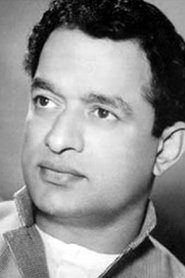
Shantaram Rajaram Vankudre
Director
Born: November 18, 1901 in Kolhapur, Maharashtra, British India Died: October 30, 1990 Active: 1921-1986
Films
11 films
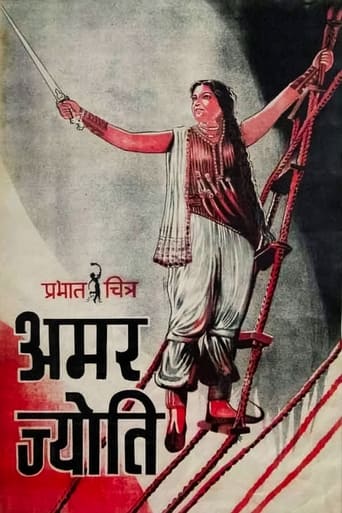

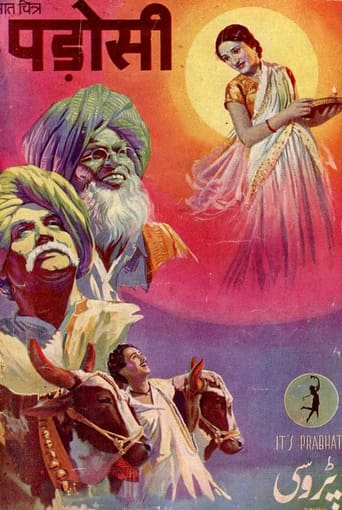
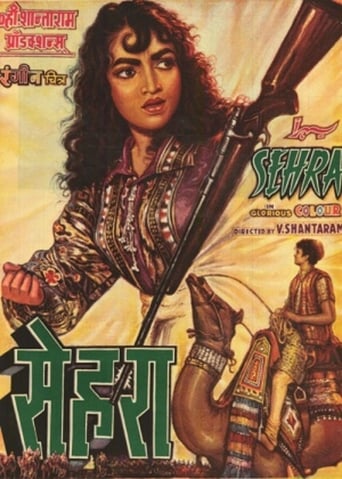
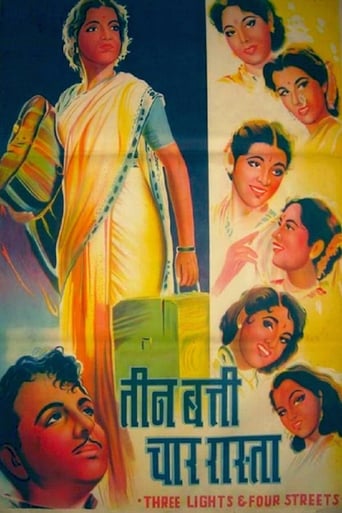
About Shantaram Rajaram Vankudre
Shantaram Rajaram Vankudre, known professionally as V. Shantaram, was one of Indian cinema's most influential and directors who revolutionized filmmaking from the 1930s through the 1960s. Born into a modest family in Kolhapur, he began his career as a curtain puller at the Maharashtra Film Company before working his way up through various technical and creative positions. He co-founded the Prabhat Studios in 1929, where he directed films that addressed social issues and women's emancipation at a time when such themes were considered taboo. After leaving Prabhat in 1942, he established Rajkamal Kala Mandir, which became another powerhouse of meaningful cinema. His films were known for their technical innovation, social consciousness, and artistic excellence, earning him international acclaim at film festivals in Venice, Berlin, and Cannes. Shantaram's over four decades and more than 70 films, during which he consistently championed progressive values and used cinema as a medium for social change. He was not just a director but also a producer, actor, and studio head who in shaping the golden age of Indian cinema.
The Craft
Behind the Camera
V. Shantaram's directing style was characterized by his strong social consciousness and progressive vision, often focusing on themes of women's emancipation, social justice, and human dignity. He was known for his technical innovation, experimenting with camera techniques, lighting, and narrative structures that were ahead of their time in Indian cinema. His films combined artistic excellence with powerful social messages, using melodrama effectively while maintaining psychological depth and emotional authenticity. Shantaram had a distinctive visual aesthetic, often employing symbolic imagery and naturalistic settings to enhance his storytelling. He believed in cinema as a medium for social reform and consistently challenged orthodoxies through his films, tackling controversial subjects like widow remarriage, caste discrimination, and women's rights with sensitivity and courage.
Milestones
- Co-founded Prabhat Studios in 1929
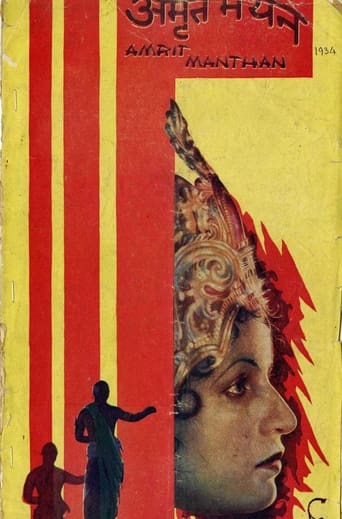
- Directed Amrit Manthan (1934) - first Indian film to face censorship controversy
- Founded Rajkamal Kala Mandir in 1942
- Won international recognition at Venice Film Festival for Shakuntala (1943)
- Received Dadasaheb Phalke Award in 1985
- Pioneered social reform cinema in India
- Introduced technical innovations in Indian filmmaking
Best Known For
Must-See Films
Accolades
Won
- Dadasaheb Phalke Award (1985)
- Padma Vibhushan (1992, posthumous)
- Filmfare Best Director Award for Do Aankhen Barah Haath (1957)
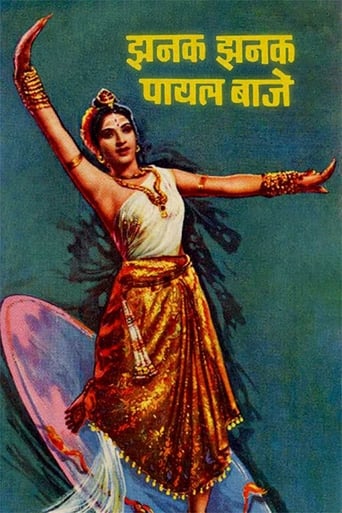
- Filmfare Best Director Award for Jhanak Jhanak Payal Baaje (1955)
- Maharashtra State Government's Best Director Award
- Sangeet Natak Akademi Award (1969)
Nominated
- Golden Lion nomination at Venice Film Festival for Do Aankhen Barah Haath (1957)
- Golden Globe nomination for Best Foreign Language Film for Do Aankhen Barah Haath (1958)
- Academy Award submission for Best Foreign Language Film - Do Aankhen Barah Haath (1957)
Special Recognition
- Dadasaheb Phalke Award - India's highest award in cinema (1985)
- Padma Vibhushan - India's second highest civilian honor (1992)
- International Film Festival of India - Lifetime Achievement Award
- Maharashtra Bhushan Award (posthumous)
- His films preserved in National Film Archive of India
Working Relationships
Worked Often With
Studios
Why They Matter
Impact on Culture
V. Shantaram revolutionized Indian cinema by introducing social reform themes and technical innovations that elevated the medium from mere entertainment to a powerful tool for social change. His films challenged regressive social practices and advocated for women's rights, widow remarriage, and education, contributing to public discourse on these issues during India's struggle for independence and nation-building. He pioneered realistic storytelling and naturalistic performances at a time when theatrical acting dominated Indian cinema. His international success at film festivals brought global recognition to Indian cinema and proved that Indian films could compete on the world stage. Shantaram's establishment of two major film studios provided infrastructure and training for generations of filmmakers, technicians, and artists, creating a lasting institutional impact on Indian cinema. His films continue to be studied and admired for their artistic merit, social relevance, and technical excellence.
Lasting Legacy
V. Shantaram's legacy endures through his vast body of work that continues to inspire filmmakers and audiences alike. He is remembered as a visionary who used cinema to champion progressive values and social justice, often tackling controversial subjects decades before they became mainstream topics. His technical innovations, particularly in cinematography and sound design, set new standards for Indian cinema. The studios he founded - Prabhat and Rajkamal - became legendary institutions that nurtured countless talents and produced some of India's most cherished films. His influence can be seen in the work of subsequent generations of Indian filmmakers who continue to address social issues through cinema. Many of his films like Do Aankhen Barah Haath and Jhanak Jhanak Payal Baaje remain timeless classics that are regularly screened at film festivals and retrospectives worldwide. The Dadasaheb Phalke Award, India's highest cinema honor that he received, cements his place among the greatest figures in Indian film history.
Who They Inspired
V. Shantaram influenced generations of Indian filmmakers through his approach to socially relevant cinema and technical innovation. Directors like Guru Dutt, Bimal Roy, and Raj Kapoor were inspired by his ability to combine entertainment with meaningful social commentary. His success at international film festivals paved the way for later Indian filmmakers to seek global recognition. His emphasis on women's empowerment and social justice influenced parallel cinema movements in India during the 1970s and 1980s. Contemporary filmmakers like Deepa Mehta and Shyam Benegal have acknowledged his influence in tackling social issues through cinema. His technical innovations in areas like color cinematography and sound design influenced the aesthetic development of Indian cinema. The studio model he created influenced the structure of film production companies in India. His films continue to be remade and referenced, demonstrating their enduring cultural resonance and artistic influence.
Off Screen
V. Shantaram had a complex personal life marked by multiple marriages and relationships with his leading ladies, which was not uncommon in the film industry of his era. His first marriage was to Rajamma, followed by relationships with actresses who starred in his films. He married actress Jayashree, who appeared in several of his films including Jhanak Jhanak Payal Baaje. His final marriage was to actress Sandhya, who became his most frequent leading lady in the 1950s and 1960s, starring in films like Navrang and Stree. Despite his professional success, Shantaram faced personal challenges including financial difficulties in his later years and disputes over his studio's ownership. He had several children, including daughter Charusheela and son Kiran Shantaram, who later became a film producer and managed Rajkamal Studios.
Education
Limited formal education due to family circumstances; learned filmmaking through practical experience at Maharashtra Film Company
Family
- Rajamma (1920s-1930s)
- Jayashree (1940s-1950s)
- Sandhya (1956-1990)
Did You Know?
- His film Amrit Manthan (1934) was the first Indian film to face censorship controversy for its criticism of orthodox religious practices
- Do Aankhen Barah Haath (1957) was based on a true story about an open prison and won the Samuel Goldwyn Award at the Golden Globe Awards
- He was one of the first Indian directors to shoot films on foreign locations, filming parts of Jhanak Jhanak Payal Baaje in Switzerland
- His film Shakuntala (1943) was the first Indian film to be screened at the Venice Film Festival
- He was a self-taught filmmaker who never received formal training in cinema
- Despite being a successful director, he often acted in his own films, usually in supporting roles
- He was one of the few Indian directors to successfully transition from silent films to talkies
- His studio Rajkamal Kala Mandir was one of the first to have its own post-production facilities
- He was an early advocate for film preservation and established archives for his own films
- His personal relationships with his leading actresses often became the subject of media speculation and gossip
- He was instrumental in introducing playback singing to Indian cinema
- His films often featured elaborate dance sequences that became a trademark of his style
In Their Own Words
Cinema is not just entertainment, it is a powerful medium for social change and education
I make films not for money, but to awaken the conscience of society
A film should be like a mirror that reflects society and a window that shows us a better world
Art without purpose is meaningless, and purpose without art is ineffective
The camera is my pen, and the screen is my paper on which I write stories of humanity
I have always believed that cinema should challenge, provoke, and inspire, not just entertain
Every film I make is a prayer for a better, more just society
Technical excellence without human emotion is like a body without a soul
I learned filmmaking not in schools, but in the school of life and hard work
The greatest reward for a filmmaker is when his film touches someone's heart and changes their perspective
Frequently Asked Questions
Who was V. Shantaram?
V. Shantaram (Shantaram Rajaram Vankudre) was an Indian film director, producer, and studio founder who revolutionized Indian cinema from the 1930s through the 1960s. He was known for his socially conscious films that addressed themes of women's rights, social justice, and human dignity, earning both critical acclaim and international recognition.
What films is V. Shantaram best known for?
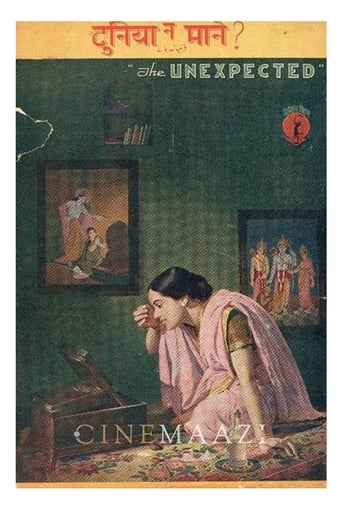
Titles linked here include Amrit Manthan (1934), Duniya Na Mane (1937).
When was V. Shantaram born and when did he die?
Born November 18, 1901; died October 30, 1990.
What awards did V. Shantaram win?
V. Shantaram received numerous prestigious awards including the Dadasaheb Phalke Award (1985), India's highest honor in cinema, and the Padma Vibhushan (1992, posthumous), India's second highest civilian award. He also won multiple Filmfare Awards for Best Director and received international recognition at film festivals in Venice, Berlin, and Cannes.
What was V. Shantaram's directing style?
V. Shantaram's directing style was characterized by strong social consciousness, technical innovation, and progressive themes. He combined artistic excellence with powerful social messages, using melodrama effectively while maintaining emotional authenticity. His films often featured symbolic imagery, naturalistic settings, and challenged orthodoxies through sensitive treatment of controversial subjects like women's rights and social justice.
What studios did V. Shantaram found?
V. Shantaram co-founded Prabhat Studios in 1929, which became one of India's most influential film studios during the 1930s. After leaving Prabhat in 1942, he established Rajkamal Kala Mandir, another legendary studio that produced many of his most famous films including Do Aankhen Barah Haath and Jhanak Jhanak Payal Baaje.
How did V. Shantaram influence Indian cinema?
V. Shantaram influenced Indian cinema by socially relevant filmmaking, introducing technical innovations, and establishing world-class studios. He proved that Indian films could address serious social issues while remaining entertaining, paving the way for future generations of filmmakers. His international success brought global recognition to Indian cinema and inspired countless directors to use film as a medium for social change.
Was V. Shantaram recognized internationally?
Yes, V. Shantaram received significant international recognition, with his films being screened at major film festivals including Venice, Berlin, and Cannes. His film Do Aankhen Barah Haath won the Samuel Goldwyn Award at the Golden Globe Awards and was nominated for an Academy Award for Best Foreign Language Film, making him one of the first Indian directors to achieve such global acclaim.