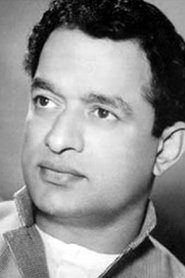

Manoos
"love tragedy featuring a policeman, Ganpat (Modak) and a pro"
Keys: Space play/pause · ←/→ 10s · F fullscreen · M mute · </> speed
About this film
A love tragedy featuring a policeman, Ganpat (Modak) and a prostitute, Mainal (Hublikar). Ganpat saves Maina from a police raid on a brothel and they fall in love. Her reputation and sense of guilt resist his attempts to rehabilitate her. Ganpat's respectable middle-class mother (Sundarabai) symbolizes all that Maina would like to be, but she is arrested for murdering her evil uncle and refuses Ganpat's offer to release her from prison.
Cast & crew
More Romance films
View all →



More from Shantaram Rajaram Vankudre
View all →

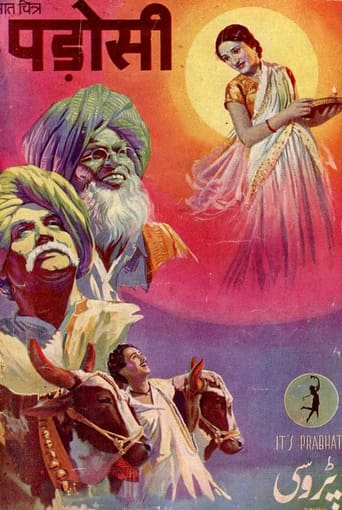
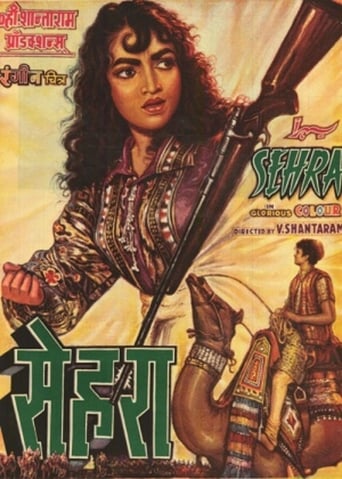
More about this film
About the production
Release date1939
BudgetNot precisely documented, but estimated to be a substantial budget for its time due to its bilingual production
Box officeCommercially successful, particularly in Maharashtra and among urban audiences
ProductionPrabhat Film Company
Filmed inPune, Maharashtra, Mumbai studios
Manoos was produced as a bilingual film, simultaneously shot in Marathi as 'Manoos' and in Hindi as 'Aadmi'. Director V. Shantaram was known for his social consciousness and used the short to challenge societal prejudices. The production faced some controversy due to its bold subject matter of a police officer falling in love with a prostitute, which was considered taboo in 1930s Indian society.
Themes
Social prejudice and hypocrisyRedemption and second chancesThe conflict between individual desire and social conformityThe exploitation of women in societyThe impossibility of escaping one's past
Themes & topics
police officerprostitutesocial reformforbidden lovemurderfamily oppositionsocial stigmaredemptiontragedymoral conflictclass differencesurban poverty
Historical background
Prabhat Film Company's 1939 release of Manoos fit contemporary India programs that mixed fiction, news, and novelty subjects for repeat weekly attendance.
Why this film matters
Programmers and historians revisit Manoos (1939) because its story—a love tragedy featuring a policeman, ganpat (modak) and a prostitute, mainal (hublikar)—illustrates popular narrative habits and production norms of the period.
Making of
The making of Manoos was marked by V. Shantaram's commitment to social realism. He spent months researching the lives of sex workers in Mumbai's red-light districts to ensure authentic portrayal. The director faced significant opposition from conservative elements who felt the picture would corrupt public morals. During filming, Shanta Hublikar reportedly immersed herself so deeply in the character of Maina that she would remain in character off-set, sometimes weeping between takes. The police raid sequence was particularly challenging to film, requiring precise choreography and coordination with actual police consultants. The brothel set was meticulously designed based on real establishments, though toned down for censorship requirements. Shantaram insisted on natural lighting techniques that were innovative for the time, particularly in the emotional climax scenes.
What critics said
English-language trade reviews of Manoos are limited for 1939. Where notices survive, they stress pacing and photographic clarity; later criticism values the title as archival evidence of studio style.
Did you know?
- the picture was simultaneously made in two versions - Marathi as 'Manoos' and Hindi as 'Aadmi', with the same cast but different language dialogues
- Director V. Shantaram was inspired to make after reading about a real-life case of a police officer who tried to reform a prostitute
- Shanta Hublikar's performance as Maina is considered especially powerful portrayals in early Indian cinema
- the picture was banned in several princely states due to its controversial subject matter
- The song 'Kashala Udyachi Baat' from the Marathi version became extremely popular and is still remembered today
- V. Shantaram reportedly had to fight with censors to keep several scenes that were considered too bold for the time
- the picture's title 'Manoos' means 'human' or 'man' in Marathi, emphasizing the human element beneath social labels
- This was one of the first Indian films to realistically portray the life of prostitutes without moralizing
- The police raid sequence was filmed with actual police officers as extras to ensure authenticity
- Shahu Modak, who played Ganpat, was a popular stage actor before transitioning to films
Awards & recognition
- Best Film at the Bombay Film Society Awards (1939)
- Best Actress Award for Shanta Hublikar at the inaugural Film Journalists Association Awards (1939)
Visual style
The cinematography of Manoos, handled by V. Avadhoot, was noted for its innovative use of lighting to create emotional depth. the picture employed chiaroscuro techniques, particularly in the brothel scenes, to create an atmosphere of moral ambiguity and psychological tension. The camera work was more mobile and dynamic than typical of the period, with several tracking shots that followed characters through emotional moments. The contrast between the dark, shadowy world of the brothel and the bright, respectable world of Ganpat's home was visually emphasized through lighting design. Close-ups were used effectively to capture the subtle emotions of the characters, particularly in the intimate scenes between the leads. the picture also featured some innovative camera angles for the time, including low-angle shots that emphasized the power dynamics in certain scenes.
Innovations
Manoos featured several technical innovations for its time. the picture employed advanced sound recording techniques that allowed for more natural dialogue delivery. The editing, by V. Shantaram himself, used jump cuts and cross-cutting techniques that were ahead of their time in Indian cinema. the picture's makeup department created realistic effects for showing the physical toll of prostitution on the protagonist. The production design included detailed recreations of 1930s Mumbai locations. the picture also experimented with location shooting, which was rare in Indian cinema of the period. The bilingual production process itself was a technical achievement, requiring careful synchronization between two language versions. the picture's special effects, though minimal, were effectively used in the murder sequence.
Music
The music for Manoos was composed by Keshavrao Bhole, with lyrics by Shantaram Athavale. The soundtrack was groundbreaking for its integration of music into the narrative rather than using it merely for entertainment. The songs reflected the emotional states of the characters and advanced the plot. The most famous song 'Kashala Udyachi Baat' became an anthem of social consciousness. The background score was minimalist by the standards of the time, using silence effectively to create tension. the picture's music avoided the typical orchestral arrangements of the period, instead using more intimate instrumentation that matched the picture's realistic approach. The soundtrack was recorded using the latest sound technology available in 1939, resulting in unusually clear audio for the period.
What audiences thought
Manoos was received with enthusiasm by urban audiences, particularly in Maharashtra where the Marathi version was especially popular. the picture's emotional depth and social relevance resonated with educated middle-class viewers who were hungry for more meaningful cinema. Despite facing some conservative opposition, the picture ran successfully in theaters for several weeks. Many viewers were reportedly moved to tears by the tragic love story and the plight of the protagonist. the picture's songs became popular on radio and were widely discussed in social gatherings. The Hindi version 'Aadmi' also found appreciation in North Indian markets, though it was slightly less successful than the Marathi original. the picture generated significant debate about social reform in newspapers and magazines, indicating its impact beyond mere entertainment.
Film connections
Influenced by
- Italian neorealism (though this was before the movement officially began)
- Social reform literature of 1930s India
- German Expressionist cinema (for lighting techniques)
- Victorian social novels
- Contemporary newspaper reports about prostitution reform
This film influenced
- Jwar Bhata
- Ziddi
- Awara
- Boot Polish
- Sujata
- Guide
- similarFilms
Where to watch
- Wikimedia Commons: https://commons.wikimedia.org/wiki/File:Manoos%20(1939).webm