Films
3 films
About Manju
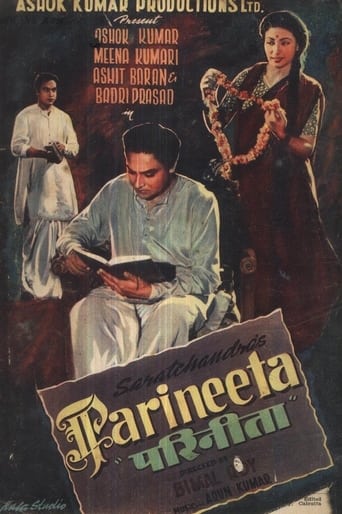
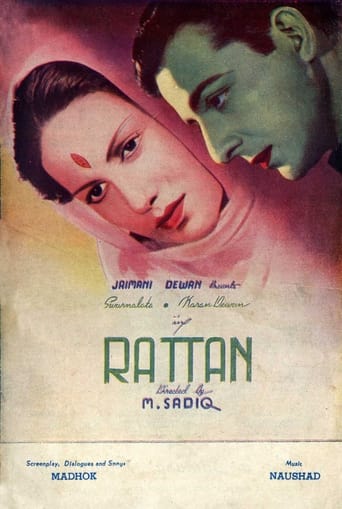
Prominent actress in Indian cinema during the transition from silent films to talkies and through the early Golden Age of Bollywood. She began her career in the late 1930s and quickly established herself as a versatile performer capable of handling both dramatic and romantic roles. Her breakthrough came with the 1939 film 'Manoos,' directed by V. Shantaram, which showcased her natural acting style and emotional depth. Throughout the 1940s, she continued to deliver memorable performances, with 'Ratan' (1944) being another significant milestone in her career. Her final notable appearance was in the 1953 classic 'Parineeta,' which demonstrated her enduring appeal and artistic growth. Manju was known for her ability to convey complex emotions through subtle expressions, making her particularly effective in the intimate storytelling style of early Indian cinema. Her a crucial period in Indian film history, witnessing the evolution of Bollywood from its nascent stages to becoming a major cultural force.
The Craft
On Screen
Manju was known for her naturalistic acting style that emphasized subtle emotional expression and restraint. Unlike the theatrical style common in early cinema, she brought a sense of authenticity to her performances, using nuanced facial expressions and body language to convey complex emotions. Her approach was particularly suited for the intimate, character-driven narratives of early Indian cinema, where she could showcase her ability to portray both vulnerability and strength.
Best Known For
Iconic Roles
Must-See Films
Working Relationships
Worked Often With
Studios
Why They Matter
Impact on Culture
Manju contributed to the evolution of Indian cinema during a pivotal period when the industry was establishing its artistic identity. Her work helped demonstrate that Indian films could tackle serious social themes while maintaining emotional resonance with audiences. As one of the early actresses who successfully transitioned from the silent era to talkies, she paved the way for future generations of Indian actresses.
Lasting Legacy
Manju's legacy lies in her contributions to early Indian cinema during its formative years. Her performances in films like 'Manoos' and 'Ratan' are remembered as examples of the emerging naturalistic acting style that would become characteristic of Indian cinema. While detailed documentation of her career may be limited compared to more contemporary figures, her work represents an important chapter in the development of Bollywood as a cultural institution.
Who They Inspired
Manju influenced subsequent generations of Indian actresses through her demonstration that naturalistic, emotionally nuanced performances could be powerful tools for storytelling in cinema. Her ability to convey complex emotions without theatrical excess helped establish a more realistic acting tradition in Indian film that continues to influence performers today.
Off Screen
Limited information is available about Manju's personal life, which was common for actors of her era who often maintained privacy outside their film careers. Like many actresses of early Indian cinema, she navigated the challenges of working in an industry that was still establishing its social acceptance.
Did You Know?
- Manoos (1939) was one of her earliest major films and was directed by the legendary V. Shantaram
- She worked during a period when Indian cinema was transitioning from silent films to talkies
- Credits cover 14 years in this catalog, from 1939 to 1953
- Parineeta (1953) was one of the last films she appeared in during her active period
- Like many actors of her era, detailed biographical information about her is limited
- She was part of the early generation of actresses who helped establish the Indian film industry
- Her work coincided with the emergence of Bombay as the center of Indian film production
Frequently Asked Questions
Who was Manju?
When was Manju active in cinema?
Manju was active in Indian cinema from 1939 to 1953, a period that encompassed the transition from early talkies to the established Golden Age of Bollywood.
What was Manju's acting style?
Manju was known for her naturalistic acting style that emphasized subtle emotional expression and restraint, contrasting with the more theatrical approach common in early cinema.
Did Manju work with any notable directors?
Yes, she worked with prominent directors of early Indian cinema including V. Shantaram, who directed her in 'Manoos' (1939).
What was Manju's impact on Indian cinema?
Manju contributed to the evolution of Indian cinema during its formative years, helping establish naturalistic acting styles and demonstrating the potential for emotionally nuanced performances in Indian films.