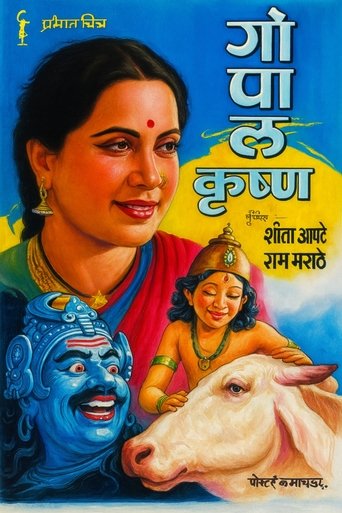
Films
2 films
About Ram Marathe
Indian actor who worked during the early sound era of Indian cinema, primarily in the late 1930s. Ram appears in two notable films during his brief career: 'Gopal Krishna' (1938) and 'Manoos' (1939), both significant productions of their time. His role in 'Manoos,' directed by the V. Shantaram, was particularly noteworthy as the film was considered a progressive social drama that addressed contemporary issues. Marathe was part of the generation of actors who transitioned from silent films to talkies, helping establish the foundations of Indian cinema's sound era. Though his filmography was limited, his contributions came during a crucial period when Indian cinema was developing its unique identity and storytelling techniques. His work reflected the emerging realistic style that was beginning to influence Indian filmmaking, moving away from the theatrical traditions of earlier cinema.
The Craft
On Screen
Ram Marathe's acting style was characteristic of the early sound era in Indian cinema, where actors were transitioning from the exaggerated expressions of silent films to more naturalistic performances suitable for talkies. His performances likely reflected the emerging realistic approach that directors like V. Shantaram were during this period, moving away from theatrical traditions toward more nuanced character portrayals.
Milestones
- Appeared in Gopal Krishna (1938)
- Acted in Manoos (1939)
- Part of early sound era cinema in India
- Worked during the transition from silent to talkie films
Best Known For
Iconic Roles
Must-See Films
Working Relationships
Worked Often With
Studios
Why They Matter
Impact on Culture
Ram Marathe, though having a brief career, was part of the foundational period of Indian sound cinema. His participation in films like 'Manoos' placed him within the progressive cinema movement that sought to address social issues through film. The early 1930s and 1940s were crucial years for establishing the conventions of Indian cinema, and actors like Marathe contributed to this evolution, even in supporting capacities.
Lasting Legacy
Ram Marathe's legacy is primarily preserved through his participation in historically significant films of early Indian cinema. 'Manoos' (1939) in particular is remembered as a landmark film that showcased the potential of Indian cinema to tackle serious social themes. While individual actors from this era often remain obscure, their collective contributions helped shape the trajectory of Indian filmmaking.
Who They Inspired
As an actor from the early sound era, Ram Marathe was part of the generation that established acting conventions for Indian cinema. The realistic approach that was emerging during this period, exemplified in films like 'Manoos,' would influence subsequent generations of Indian actors who sought to move beyond theatrical performances toward more naturalistic portrayals.
Off Screen
Very little is documented about Ram Marathe's personal life, which was common for many supporting actors from early Indian cinema. Like many actors of his generation, detailed biographical information was not systematically preserved, especially for those who had relatively brief careers in the film industry.
Did You Know?
- Appeared in 'Manoos' (1939), which was also released in Hindi as 'Aadmi'
- Worked during the crucial transition period from silent films to talkies in Indian cinema
- His film 'Manoos' was directed by V. Shantaram, one of India's filmmakers
- The 1930s was a decade when Indian cinema was establishing its unique identity separate from theatrical traditions
- Early Indian cinema actors often worked without formal training, learning on the job
- Film preservation from this era is limited, making complete filmographies difficult to establish
Frequently Asked Questions
Who was Ram Marathe?
Indian with credits in this catalog.
What films is Ram Marathe best known for?
Titles linked here include Manoos (1939), Gopal Krishna (1938).
When was Ram Marathe active in films?
Ram Marathe was active in Indian cinema from 1938 to 1939, working during the crucial early sound era when Indian cinema was transitioning from silent films to talkies.
What was significant about the film 'Manoos'?
'Manoos' (1939) was a landmark film directed by V. Shantaram that addressed social issues and was considered progressive for its time. It was also released in Hindi as 'Aadmi' and is remembered as an important film in early Indian cinema.
What studio did Ram Marathe work with?
Ram Marathe worked with Prabhat Film Company, one of the film studios in early Indian cinema that was known for producing socially relevant films during the 1930s and 1940s.