No Poster
Films
2 films
About Budasaheb
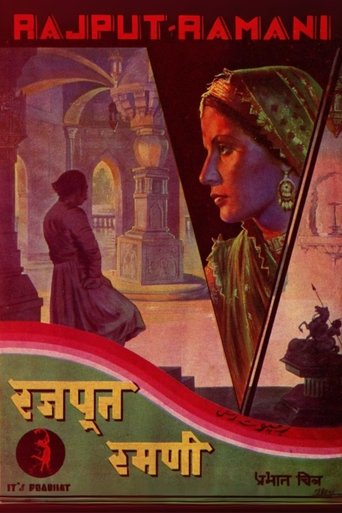
Indian film actor active during the early years of Indian talkies in the late 1930s. Budasaheb appears in supporting and character roles during what is considered the golden period of early Indian cinema. His career, though brief from 1936 to 1939, coincided with the transition from silent films to sound in Indian cinema. Budasaheb worked primarily in the Marathi and Hindi film industries, which were among the most prolific regional film centers of that era. His appearances in films like Rajput Ramani (1936) and the critically acclaimed Manoos (1939) placed him among the working actors who helped establish the foundations of Indian narrative cinema. Like many character actors of his generation, he contributed to the development of acting styles that would influence future generations of Indian performers.
The Craft
Milestones
- Appeared in Rajput Ramani (1936)
- Acted in the acclaimed Manoos (1939)
- Worked during the transition from silent to sound cinema in India
- Contributed to early Marathi and Hindi cinema
Best Known For
Iconic Roles
Must-See Films
Working Relationships
Worked Often With
Studios
Why They Matter
Impact on Culture
Budasaheb represents the generation of character actors who were essential to the development of Indian cinema during its formative years. While not a leading star, his contributions to films like Manoos, which is considered a classic of early Indian cinema, helped establish the ensemble acting traditions that would become characteristic of Indian film. His work during the critical transition period from silent films to talkies placed him among the pioneers who adapted their craft to the new medium of sound cinema.
Lasting Legacy
As a character actor from the early years of Indian talkies, Budasaheb's legacy lies in his contribution to the foundation of Indian film acting. Though detailed records of his career are limited, his appearances in historically significant films like Manoos ensure his place in the annals of Indian cinema history. He represents the countless supporting actors whose work was crucial to the success of early Indian films but whose names have been largely lost to time.
Who They Inspired
While specific details about Budasaheb's influence on other actors are not well-documented, his work in ensemble casts of early Indian films contributed to the development of character acting traditions in Indian cinema. The acting styles established by actors of his generation influenced subsequent waves of Indian film performers.
Off Screen
Very limited information is available about Budasaheb's personal life, which was common for character actors of early Indian cinema whose personal details were not extensively documented.
Did You Know?
- Active during the crucial transition period from silent films to talkies in Indian cinema
- Worked with acclaimed director V. Shantaram on Manoos (1939)
- Manoos (1939) was later remade in Hindi as 'Aadmi' (1939)
- Prabhat Film Company, where he likely worked, was one of India's most prestigious early film studios
- The 1930s is considered the first golden decade of Indian cinema
- Early Indian actors often used honorifics like 'Saheb' in their stage names
- Many early Indian film actors came from theater backgrounds
- Character actors like Budasaheb were essential to the ensemble casts of early Indian films
Frequently Asked Questions
Who was Budasaheb?
Screen credits include supporting roles in early Indian talkies, including films like Rajput Ramani (1936) and Manoos (1939).
What films is Budasaheb best known for?
Titles linked here include Manoos (1939), Rajput Ramani (1936).
When was Budasaheb active in films?
Budasaheb had a brief but significant career spanning from 1936 to 1939, during the crucial transition period from silent films to talkies in Indian cinema.
Did Budasaheb work with any notable directors?
Yes, he worked with acclaimed director V. Shantaram on Manoos (1939), which is considered one of the classics of early Indian cinema.
What was Budasaheb's contribution to Indian cinema?
As a character actor during the formative years of Indian talkies, Budasaheb contributed to the development of ensemble acting traditions and helped establish the foundation for character acting in Indian cinema.