Shahu Modak
Actor
Born: April 14, 1918 in Pune, Maharashtra, India Died: October 11, 1993 Active: 1939-1989 Birth Name: Shahu Chandrakant Modak
Films
3 films
About Shahu Modak
Indian actor who rose to prominence in Hindi and Marathi cinema during the golden era of Indian filmmaking. Born into a modest family in Maharashtra, he began his career in the late 1930s and quickly rose to prominence with his powerful performances in films like 'Manoos' (1939) and 'Aadmi' (1939). Modak became particularly renowned for his portrayals of mythological characters, especially Lord Krishna, earning him the title of 'Krishna of Indian Cinema.' His over four decades, during which he appeared in more than 200 films across various genres including social dramas, mythological epics, and devotional films. Despite his success in commercial cinema, Modak maintained a reputation for professionalism and dedication to his craft, often performing his own stunts and spending months preparing for complex roles. In his later years, he transitioned to character roles and continued to work actively until his health began to decline in the early 1990s. His contribution to Indian cinema, particularly in popularizing mythological stories on screen, remains unparalleled and actors in this genre today.
The Craft
On Screen
Shahu Modak was known for his natural and emotionally intense acting style, particularly excelling in mythological roles where he brought divine characters to life with remarkable authenticity. His technique combined classical Indian theatrical traditions with modern cinematic realism, allowing him to portray both human vulnerability and divine majesty. Modak possessed a distinctive voice quality and commanding screen presence that made him particularly effective in devotional and mythological films. He was known for his meticulous preparation for roles, often studying religious texts and consulting scholars to ensure accuracy in his portrayals. His acting was characterized by expressive eyes, controlled body language, and the ability to convey complex emotions through subtle gestures rather than overt dramatics.
Milestones
- Breakthrough role in 'Manoos' (1939)
- First major success with 'Aadmi' (1939)
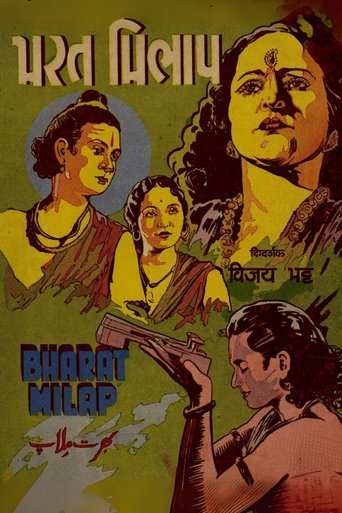
- Starred in the epic 'Bharat Milap' (1942)
- Established himself as the definitive Lord Krishna on screen
- Received the Filmfare Award for Best Actor in 1962
- Completed over 200 films in his career
- Successfully transitioned from lead roles to character roles in later years
- Received the Dadasaheb Phalke Award in 1985
Best Known For
Iconic Roles
Must-See Films
Accolades
Won
- Filmfare Award for Best Actor (1962)
- Dadasaheb Phalke Award (1985)
- Maharashtra State Government's Best Actor Award (1964)
- Screen Lifetime Achievement Award (1992)
Nominated
- Filmfare Award for Best Actor (1960)
- Filmfare Award for Best Supporting Actor (1971)
- National Film Award for Best Actor (1963)
Special Recognition
- Dadasaheb Phalke Award - India's highest award in cinema (1985)
- Padma Shri (1971)
- Maharashtra Gaurav Puraskar (1988)
- Lifetime Achievement Award from Indian Motion Picture Producers Association (1990)
- Honored at the International Film Festival of India (1989)
Working Relationships
Worked Often With
Studios
Why They Matter
Impact on Culture
Shahu Modak's impact on Indian cinema and popular culture was profound and multifaceted. He essentially created the template for mythological acting in Indian cinema, establishing a standard that few have matched. His portrayal of Lord Krishna became so that generations of Indians grew up associating the deity with his screen image. Modak played a crucial role in popularizing mythological stories during the post-independence era, helping preserve and transmit cultural and religious values through the medium of cinema. His films often addressed social issues within mythological frameworks, contributing to important social dialogues about reform and morality. Beyond his artistic contributions, Modak helped establish Marathi cinema as a significant force in Indian film industry, paving the way for future regional cinema to gain national recognition.
Lasting Legacy
Shahu Modak's legacy extends far beyond his filmography and awards. He is remembered as the actor who brought dignity and authenticity to religious cinema at a time when such films were often dismissed as mere commercial spectacles. His dedication to craft and his ability to balance commercial success with artistic integrity set a benchmark for future generations of actors. The Shahu Modak Award for Excellence in Acting was established by the Maharashtra Government in his honor, given annually to outstanding actors in regional cinema. His films continue to be studied in film schools as examples of how to handle mythological material with sensitivity and artistic merit. Many contemporary actors who specialize in mythological roles cite Modak as their primary influence, and his work remains relevant in discussions about the representation of religion and spirituality in Indian popular culture.
Who They Inspired
Shahu Modak's influence on Indian cinema is both direct and indirect, spanning multiple generations of filmmakers and actors. His naturalistic approach to mythological roles challenged the theatrical traditions that had dominated early Indian cinema, paving the way for more realistic performances in all genres. Directors like Raj Kapoor and Guru Dutt acknowledged Modak's influence on their approach to blending entertainment with social messages. His success proved that mythological films could be both artistically significant and commercially viable, encouraging producers to invest more seriously in this genre. Contemporary actors who play religious roles, from Amitabh Bachchan to Ranbir Kapoor, have acknowledged studying Modak's performances to understand the nuances of portraying divine characters on screen. His work also influenced the technical aspects of mythological filmmaking, particularly in areas of costume design, makeup, and special effects for supernatural elements.
Off Screen
Shahu Modak led a relatively private personal life despite his immense popularity and public presence. He married early in his career to his longtime sweetheart from Pune, and the couple remained together until his death. Modak was known for his simple lifestyle and strong religious beliefs, which often reflected in his choice of roles and off-screen demeanor. He was deeply involved in charitable activities, particularly those related to education and healthcare for underprivileged children. Despite his success in commercial cinema, Modak maintained close ties with his hometown and frequently returned to Pune between film shoots. He was known to be a voracious reader and maintained an extensive library of religious and philosophical texts.
Education
Completed schooling at New English School, Pune; attended Fergusson College for brief period before entering films
Family
- Leela Modak (1940-1993)
Did You Know?
- Was discovered by director V. Shantaram while performing in a college play
- Spent six months learning flute playing to authentically portray Lord Krishna
- Refused to work in films that portrayed religious figures disrespectfully
- Turned down several Hollywood offers in the 1950s to focus on Indian cinema
- His makeup for Lord Krishna roles took over three hours to apply each day
- Maintained a strict vegetarian diet throughout his life for religious reasons
- Donated all earnings from devotional films to charitable causes
- Was fluent in Marathi, Hindi, and Sanskrit, which helped in mythological roles
- Never acted in any film that promoted superstition or blind faith
- His last film appearance was in 1989, four years before his death
- A postage stamp was issued in his honor by the Indian Postal Service in 2000
- His autobiography 'My Journey with Krishna' was published posthumously in 1995
In Their Own Words
Cinema is not just entertainment; it is a medium to preserve our culture and values for future generations
When I play Krishna, I don't act - I try to become the divine message of love and righteousness
The greatest reward an actor can receive is when the audience forgets they are watching a performance
Mythological films are not about religion; they are about the eternal human struggle between good and evil
I have always believed that an actor's true success lies in inspiring positive change in society
The camera doesn't lie, and neither should the actor's emotions
Playing divine characters taught me humility and the importance of using art for noble purposes
Frequently Asked Questions
Who was Shahu Modak?
Indian with credits in this catalog. He was active in Hindi and Marathi cinema from the late 1930s through the 1980s and appeared in over 200 films, earning the title 'Krishna of Indian Cinema' for his definitive performances in religious epics.
What films is Shahu Modak best known for?
Titles linked here include Manoos (1939), Aadmi (1939).
When was Shahu Modak born and when did he die?
Born April 14, 1918; died October 11, 1993.
What awards did Shahu Modak win?
Shahu Modak received numerous prestigious awards including the Dadasaheb Phalke Award in 1985 (India's highest award in cinema), the Padma Shri in 1971, and the Filmfare Award for Best Actor in 1962. He also received the Maharashtra State Government's Best Actor Award and several lifetime achievement honors from various film organizations.
What was Shahu Modak's acting style?
Shahu Modak was known for his natural and emotionally intense acting style that combined classical Indian theatrical traditions with cinematic realism. He excelled in mythological roles through meticulous preparation, expressive eyes, and controlled body language. His performances were characterized by authenticity and the ability to convey both human vulnerability and divine majesty, particularly in his portrayals of Lord Krishna.