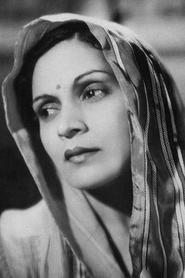
Durga Khote
Actor
Born: January 14, 1905 in Mumbai, Maharashtra, India Died: September 22, 1991 Active: 1931-1988 Birth Name: Vita Lad
Films
7 films
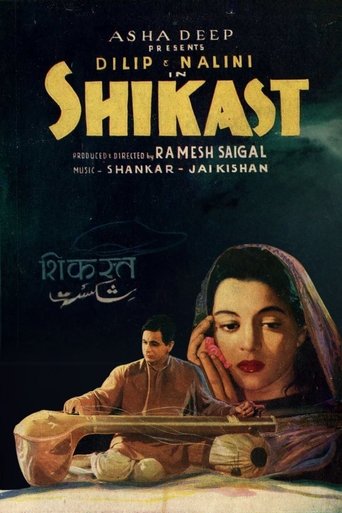
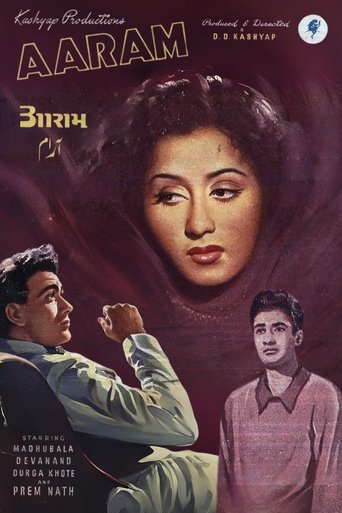
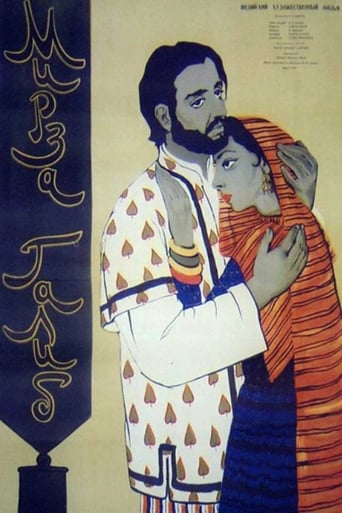
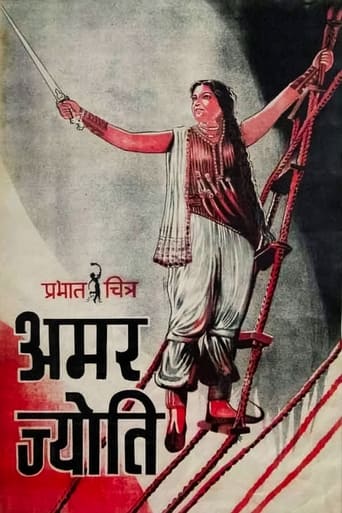
About Durga Khote
Indian actress who broke societal barriers by entering films during the conservative era of the 1930s. Born into a respectable family, she became one of the first women from an upper-caste background to pursue acting as a profession, challenging prevailing social norms. Her career began in 1931 with the film 'Farebi Jaal' and spanned over five decades, during which she successfully transitioned from glamorous lead roles to powerful character performances. She was particularly renowned for her portrayal of strong, independent women and later became famous for her mother roles, bringing dignity and depth to characters that were often stereotypical. Beyond acting, she ventured into film production with her company 'Durga Khote Productions' and later became a successful entrepreneur. Her contributions to Indian cinema were recognized with numerous awards, including the prestigious Padma Shri in 1968. She continued working in films and television well into her 70s, leaving an indelible mark on Indian cinema as one of its most respected and versatile performers.
The Craft
On Screen
Durga Khote was known for her naturalistic acting style that brought authenticity and emotional depth to her characters. In her early career as a leading lady, she portrayed strong, independent women with dignity and grace, breaking away from stereotypical representations. Her later character roles, particularly as mothers, were marked by a regal presence and nuanced performances that elevated ordinary characters to memorable ones. She had excellent command over both Hindi and Marathi dialogue delivery, and her screen presence combined traditional Indian values with modern sensibilities.
Milestones
- First film appearance in 'Farebi Jaal' (1931)
- Breakthrough role in 'Amar Jyoti' (1936)
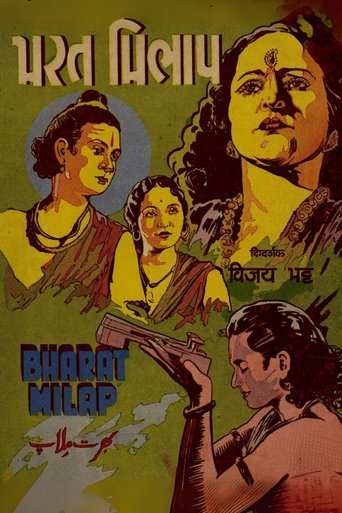
- performance as Kaikeyi in 'Bharat Milap' (1942)
- Founded Durga Khote Productions (1940s)
- Received Padma Shri award (1968)
- Transitioned to character roles successfully
- Appeared in over 200 films
- Worked in both Hindi and Marathi cinema
Best Known For
Iconic Roles
Must-See Films
Accolades
Won
- Padma Shri (1968)
- Filmfare Best Supporting Actress Award for 'Jab Pyar Kisise Hota Hai' (1961)
- Maharashtra State Government Award for 'Charnon Ki Dasi' (1941)
- Sangeet Natak Akademi Award (1974)
Nominated
- Filmfare Best Supporting Actress nomination for 'Anari' (1959)
- Filmfare Best Supporting Actress nomination for 'Chhaya' (1961)
Special Recognition
- Dadasaheb Phalke Award (1983)
- Maharashtra Bhushan Award (1985)
- Honored at International Film Festival of India
- Featured on Indian postage stamp (2013)
Working Relationships
Worked Often With
Studios
Why They Matter
Impact on Culture
Durga Khote's entry into Indian cinema marked a significant shift in social attitudes toward women in entertainment. As one of the first women from a respectable family to join films, she paved the way for countless others and helped legitimize acting as a profession for women from all backgrounds. Her portrayal of strong female characters challenged patriarchal norms and presented alternative models of womanhood on screen. Her successful transition from leading lady to character actress created a new career path for aging actresses in Indian cinema. She also contributed to breaking caste barriers in the film industry and became a symbol of women's empowerment in India.
Lasting Legacy
Durga Khote is remembered as a trailblazer who transformed Indian cinema through her talent, courage, and professionalism. Her legacy includes not just her memorable performances but also her role in changing social perceptions about women in films. She demonstrated that actresses could have long, respectable careers and could successfully transition to different roles as they aged. Her production company was among the early examples of women entrepreneurs in Indian cinema. Today, she is celebrated as a pioneer who helped shape the Indian film industry into what it is today, and her name is synonymous with dignity, talent, and perseverance in Indian cinema history.
Who They Inspired
Durga Khote influenced generations of Indian actors, particularly actresses, by demonstrating that a film career could be both respectable and long-lasting. Her natural acting style inspired many to move away from theatrical performances toward more realistic portrayals. She showed that character actors could be as important as leads, paving the way for the strong supporting roles that became common in later Indian cinema. Her success as a producer and entrepreneur inspired women in the industry to explore roles beyond acting. Many prominent actresses, including Waheeda Rehman and Nutan, cited her as an inspiration for maintaining dignity in the film industry.
Off Screen
Durga Khote was married at the young age of 16 to a man much older than her, but the marriage was unhappy and ended in divorce when she was 26. This personal experience gave her the courage to pursue a career in films despite societal opposition. She had a son named Bakul, who later became a successful businessman. After her film career slowed down, she successfully ran a catering business and a porcelain factory, demonstrating her entrepreneurial spirit. She was known for her progressive views and supported women's education and empowerment throughout her life.
Education
Educated at St. Columba's High School, Mumbai; studied at University of Mumbai (did not complete due to early marriage)
Family
- Nandlal Khote (1921-1927)
Did You Know?
- She was one of the first women from a 'respectable' family to enter Indian cinema
- Her real name was Vita Lad before marriage
- She spoke fluent English, Hindi, and Marathi
- She started her own production company in the 1940s
- She appeared in both Hindi and Marathi films with equal success
- She was the first Indian actress to own a car
- She successfully ran a catering business after her film career
- She was featured on an Indian postage stamp in 2013
- She worked with three generations of the Kapoor family
- Her performance in 'Bharat Milap' as Kaikeyi became
- She was one of the highest-paid actresses of her time
- She never remarried after her divorce
- She was an accomplished horse rider
- She was known for her punctuality and professionalism on sets
- She appeared in India's first talkie 'Alam Ara' in a small role
In Their Own Words
I wanted to prove that a woman from a good family could act in films and still maintain her dignity
Acting is not just about glamour, it's about bringing truth to characters
I never regretted entering films, though society initially opposed it
Every role, big or small, deserves the same dedication and respect
Cinema is a powerful medium for social change
Age should not limit an artist's creativity or opportunities
Frequently Asked Questions
Who was Durga Khote?
Indian actress who became one of the first women from a respectable family to enter films in the 1930s. She had a career spanning over five decades and successfully transitioned from leading lady to character actress, appearing in over 200 films. She was also an entrepreneur and recipient of the prestigious Padma Shri and Dadasaheb Phalke awards.
What films is Durga Khote best known for?
Titles linked here include Amar Jyoti (1936), Bharat Milap (1942).
When was Durga Khote born and when did she die?
Born January 14, 1905; died September 22, 1991.
What awards did Durga Khote win?
Durga Khote received numerous prestigious awards including the Padma Shri in 1968, the Dadasaheb Phalke Award in 1983, the Filmfare Best Supporting Actress Award, the Sangeet Natak Akademi Award in 1974, and the Maharashtra Bhushan Award in 1985. She was also honored with a feature on an Indian postage stamp in 2013.
What was Durga Khote's acting style?
Durga Khote was known for her naturalistic and dignified acting style that brought authenticity to her characters. She excelled at portraying strong, independent women and later became famous for her mother roles that combined traditional values with modern sensibilities. Her performances were marked by emotional depth and a regal screen presence.
How did Durga Khote impact Indian cinema?
Durga Khote revolutionized Indian cinema by breaking social barriers as one of the first women from a respectable family to enter films. She helped legitimize acting as a profession for women, created a career path for aging actresses through character roles, and demonstrated that women could be successful entrepreneurs in the film industry through her production company.
Was Durga Khote married and did she have children?
Durga Khote was married at age 16 to Nandlal Khote, but the marriage ended in divorce in 1927. She had one son named Bakul Khote, who later became a successful businessman. She never remarried after her divorce and focused on her career and raising her son.