
Nimmi
Actor
Born: February 18, 1933 in Agra, United Provinces, British India (now Uttar Pradesh, India) Died: March 25, 2020 Active: 1949-1965 Birth Name: Nawab Bano
Films
6 films
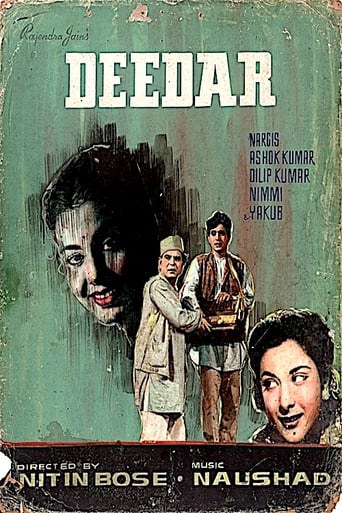
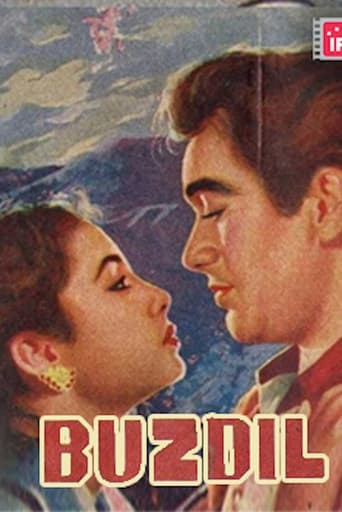
About Nimmi
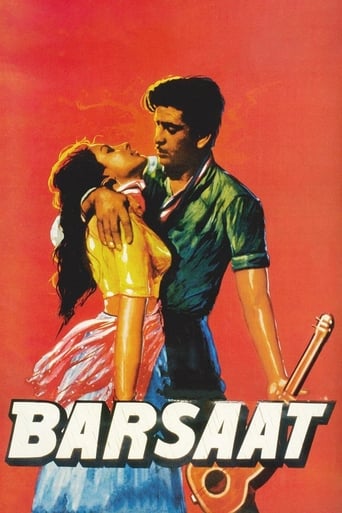
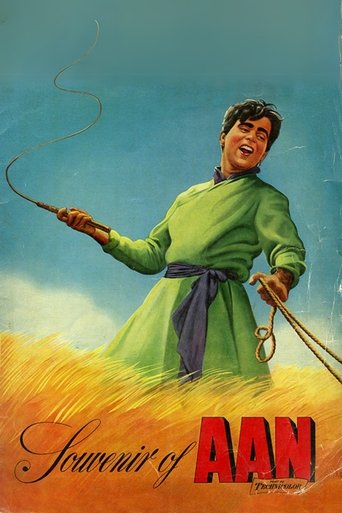
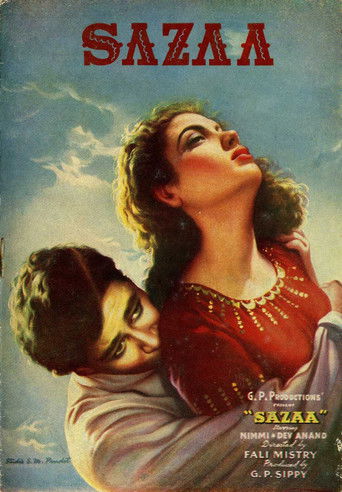
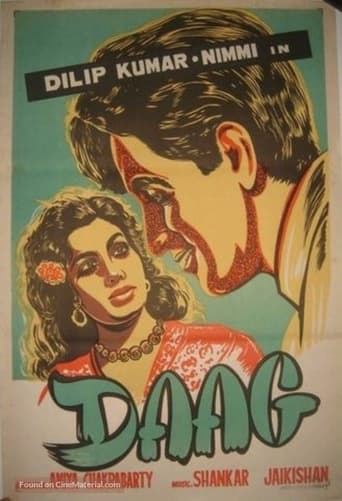
Nimmi, born Nawab Bano, was prominent leading ladies of Hindi cinema's golden era. Discovered by the Raj Kapoor while she was visiting a film set, she made her debut in the film 'Barsaat' (1949), which became an instant sensation and launched her to stardom. Throughout the 1950s, Nimmi established herself as a versatile actress capable of portraying both innocent, romantic characters and more complex dramatic roles, working with the biggest directors and actors of her time. Her performance in 'Aan' (1952), India's first technicolor film, showcased her international appeal and helped bring Indian cinema to global attention. She was particularly known for her expressive eyes and natural acting style, which set her apart from many contemporaries. After marrying screenwriter S. Ali Raza in 1965, she gradually withdrew from films, choosing to focus on her personal life. Her career, though spanning less than two decades, on Indian cinema and she remains remembered as beautiful and talented actresses of her generation.
The Craft
On Screen
Nimmi was known for her naturalistic acting style that emphasized subtle expressions and emotional authenticity. Unlike many actresses of her era who relied heavily on theatrical gestures, Nimmi brought a restrained yet powerful presence to her performances, particularly excelling in conveying deep emotions through her expressive eyes. She had a unique ability to portray vulnerability and strength simultaneously, making her characters relatable and memorable. Her acting was marked by a delicate balance between traditional Indian sensibilities and modern cinematic techniques.
Milestones
Best Known For
Iconic Roles
Must-See Films
Accolades
Won
- Filmfare Nomination for Best Actress for Uran Khatola (1955)
- Filmfare Nomination for Best Actress for Kundan (1955)
Nominated
- Filmfare Award for Best Actress - Uran Khatola (1955)
- Filmfare Award for Best Actress - Kundan (1955)
Special Recognition
- Recognized as one of the actresses of Indian cinema
- Honored at various film festivals for her contributions to classic Hindi cinema
Working Relationships
Worked Often With
Studios
Why They Matter
Impact on Culture
Nimmi's impact on Indian cinema was significant during the transition from the immediate post-independence era to the golden age of the 1950s. She represented the ideal Indian woman on screen - traditional yet progressive, beautiful yet talented. Her success in 'Aan' (1952), India's first major color film, helped demonstrate that Indian cinema could compete on an international stage. Nimmi's natural acting style influenced a generation of actors who moved away from theatrical traditions toward more realistic performances. She became a style icon, with her distinctive look and fashion choices being emulated by women across India.
Lasting Legacy
Nimmi's legacy endures as. Her films continue to be celebrated and studied for their artistic merit and historical significance. She is remembered for breaking the mold of the typical film heroine of her time by bringing depth and authenticity to her roles. Many of her films, particularly 'Barsaat' and 'Aan', are considered classics that defined an era of Indian filmmaking. Her decision to retire at the height of her fame to focus on family life set an example for balancing career and personal values.
Who They Inspired
Nimmi influenced subsequent generations of Indian actresses through her naturalistic acting approach and dignified screen presence. Her ability to convey complex emotions without melodramatic gestures paved the way for more realistic performances in Hindi cinema. Many actresses, from Waheeda Rehman to modern stars, have cited the actresses of Nimmi's era as inspirations for their craft. Her successful collaboration with top directors of her time demonstrated the importance of strong director-actor partnerships in creating memorable cinema.
Off Screen
Nimmi led a relatively private life away from the glamour of cinema. She married screenwriter S. Ali Raza in 1965, who had written many of her successful films. The couple had no children but maintained a strong, loving relationship until Raza's death in 2007. After marriage, Nimmi completely withdrew from films, choosing to focus on her family life. She lived in Mumbai for the remainder of her life, maintaining friendships with colleagues from the film industry while staying largely out of the public eye. In her later years, she occasionally gave interviews about her experiences in the golden era of Hindi cinema.
Education
Limited formal education due to early entry into films, received private tutoring during her early film career
Family
- S. Ali Raza (1965-2007, until his death)
Did You Know?
- Was discovered by Raj Kapoor when she visited the sets of 'Barsaat' to watch the shooting
- Her screen name 'Nimmi' was given by Raj Kapoor, derived from his own film 'Neel Kamal'
- Was initially considered for the role that eventually went to Nargis in 'Awaara'
- Her performance in 'Aan' (1952) was appreciated internationally, including at the Cannes Film Festival
- Was one of the few actresses who successfully worked with both Raj Kapoor and Dilip Kumar, the biggest stars of her era
- Refused to work in films after marriage, maintaining traditional values despite her film career
- Her expressive eyes were considered her most distinctive feature and were often highlighted in songs and dialogues
- Was paid an unprecedented amount for
- Aan' due to its international release',
- Maintained lifelong friendships with many co-stars despite retiring from films
- Lived a quiet life in Mumbai after retirement, rarely giving public interviews
In Their Own Words
I never planned to be an actress. Cinema chose me, not the other way around.
Raj Kapoor saw something in me that I didn't see in myself. He was my mentor and my guide.
Acting came naturally to me. I never learned it, I just felt it.
When I married, I chose family over films. I have no regrets.
The 1950s was the golden era of Hindi cinema. I was fortunate to be part of it.
Frequently Asked Questions
Who was Nimmi?
Celebrated Indian actress from Hindi cinema's golden era, active from 1949 to 1965. Born Nawab Bano, she was discovered by Raj Kapoor and became.
When was Nimmi born and when did she die?
Born February 18, 1933; died March 25, 2020.
What awards did Nimmi win?
While Nimmi didn't win major awards during her active career, she received Filmfare Award nominations for Best Actress for her performances in 'Uran Khatola' (1955) and 'Kundan' (1955). Her contributions to Indian cinema have been recognized through various honors and retrospectives celebrating the golden era of Hindi films.
What was Nimmi's acting style?
Nimmi was known for her naturalistic and understated acting style, which was revolutionary for her time. She conveyed deep emotions through subtle expressions, particularly her famously expressive eyes, rather than relying on theatrical gestures. Her approach brought authenticity and relatability to her characters, influencing subsequent generations of Indian actors.