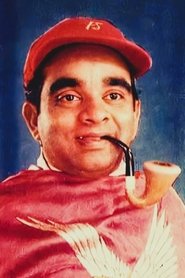
Mukri
Actor
Born: January 5, 1922 in Alibag, Maharashtra, India Died: September 4, 2000 Active: 1945-1998 Birth Name: Mohammed Umer Mukri
Films
6 films
About Mukri
Mukri, born Mohammed Umer Mukri, was one of Indian cinema's most beloved character actors who specialized in comic roles during the Golden Age of Hindi cinema. Beginning his career in the early 1950s, he quickly established himself as a reliable supporting actor with his distinctive appearance featuring a toothbrush mustache and expressive eyes. His breakthrough came with Raj Kapoor's films, where he often played the loyal friend or comic sidekick to the protagonist. Throughout the 1950s and 1960s, he appeared in over 200 films, working with virtually every major star of the era including Dilip Kumar, Raj Kapoor, Dev Anand, and Shammi Kapoor. His ability to deliver both comedy and pathos made him an indispensable part of the Hindi film industry, often stealing scenes despite limited screen time. Even as lead roles diminished in the 1970s and 1980s, he continued working consistently, adapting to changing cinematic tastes while maintaining his unique comic timing. His four decades, making him recognizable faces in Indian cinema history.
The Craft
On Screen
Mukri was known for his distinctive comic timing and ability to deliver humor through both dialogue and physical comedy. His acting style was characterized by his expressive facial features, particularly his eyes and trademark mustache, which he used to maximum effect in comic situations. He had a unique ability to switch between comedy and emotion seamlessly, often bringing pathos to his comic characters. His dialogue delivery was crisp and he had an innate sense of rhythm that made his comedic lines memorable. Unlike many comic actors of his era, Mukri avoided slapstick in favor of situational comedy and witty repartee.
Milestones
- Debut in 'Pratima' (1945)
- Breakthrough role in 'Awaaz' (1956)
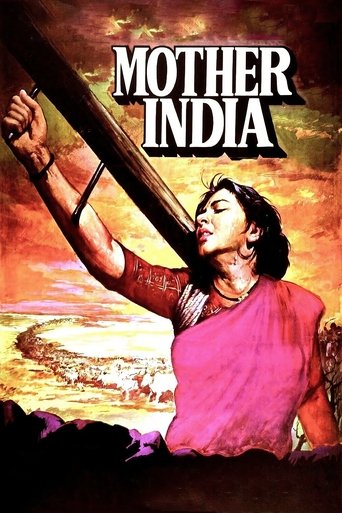
- Memorable performance in 'Mother India' (1957)
- Regular collaborator with Raj Kapoor in multiple films
- Over 600 film appearances in a career spanning five decades
- Transitioned successfully from lead roles in early career to character roles
- Worked with three generations of Hindi film actors
Best Known For
Iconic Roles
Must-See Films
Accolades
Special Recognition
- Featured in Indian cinema's hall of fame for character actors
- Recognized by Filmfare for contribution to Hindi cinema
- Posthumously honored at various film festivals for his body of work
Working Relationships
Worked Often With
Studios
Why They Matter
Impact on Culture
Mukri's contribution to Indian cinema extended beyond entertainment; he helped establish the template for the comic sidekick in Hindi films that would be emulated for decades. His characters often represented the common man, providing social commentary through humor while maintaining dignity and relatability. He broke stereotypes by showing that comic actors could be versatile performers capable of both humor and emotional depth. His work in films like 'Mother India' demonstrated how comic relief could enhance rather than detract from serious narratives. Mukri's presence in over 600 films made him a cultural touchstone for generations of Indian moviegoers, with his dialogues and expressions becoming part of popular culture.
Lasting Legacy
Mukri's legacy in Indian cinema is that of a pioneer who elevated comic acting to an art form. He proved that supporting characters could be as memorable as leads, influencing generations of character actors who followed. His ability to adapt to changing times while maintaining his unique style made him a bridge between classical and contemporary Hindi cinema. Many of his films are considered classics today, and his performances continue to be studied by acting students. The Mukri style of comedy - subtle, situational, and character-driven - remains influential in Indian cinema and television.
Who They Inspired
Mukri influenced numerous actors who followed in his footsteps, particularly in the realm of comic acting. Actors like Mehmood, Johnny Walker, and later Paresh Rawal and Kader Khan acknowledged his impact on their work. His technique of using minimal props and maximum expression became a standard in comic performance. Directors often cited him as an example of how comic timing could enhance dramatic narratives. His success also opened doors for many other character actors from small towns, proving that one didn't need conventional leading man looks to have a successful career in films.
Off Screen
Mukri was known for his humble nature despite his success in the film industry. He maintained a low profile off-screen and was respected by colleagues for his professionalism and dedication to his craft. He was married and had children who later entered the film industry in various capacities. Despite playing comic roles on screen, he was known as a serious and thoughtful person in real life, often advising younger actors about the nuances of performance.
Education
Completed basic education in Alibag before moving to Mumbai to pursue acting
Family
- Fatma Mukri (married 1945 until his death in 2000)
Did You Know?
- Despite being Muslim, he often played Hindu characters seamlessly
- His toothbrush mustache became his trademark and inspired many imitators
- He worked with Raj Kapoor in 12 films, their most successful collaboration
- Initially wanted to be a hero but found success as a character actor
- His real name was Mohammed Umer but he chose 'Mukri' as his screen name
- He was one of the few actors who worked successfully in both black and white and color films
- He charged the same fee for films regardless of the production budget
- Never learned to read English but worked with many English-speaking directors
- Was known for his punctuality and would often arrive early on sets
- His daughter Nasreen later became a film critic and writer
- He was offered roles in Pakistani films but declined to stay in India
- Despite his comic image, he was known for his serious approach to script preparation
In Their Own Words
Comedy is serious business. One wrong timing and the whole scene falls flat.
I never played a character, I lived them. Even if it was for two minutes, those were my two minutes.
In my time, we didn't have retakes. We had to get it right in one take or the producer would lose money.
The audience pays money to be entertained. Whether you make them laugh or cry, you must make them feel something.
I may be small in height but my heart is bigger than any hero's in the industry.
Frequently Asked Questions
Who was Mukri?
Legendary Indian character with credits in this catalog. With his distinctive appearance featuring a toothbrush mustache and expressive eyes, he appeared in over 600 films and became one of Bollywood's most recognizable supporting actors.
What films is Mukri best known for?
Titles linked here include Mother India (1957), Awaara (1951).
When was Mukri born and when did he die?
Born January 5, 1922; died September 4, 2000.
What awards did Mukri win?
While Mukri didn't receive major formal awards during his career, he was posthumously recognized for his contribution to Indian cinema and is remembered as one of the greatest character actors in Bollywood history. His legacy is honored through film festivals and cinema retrospectives.
What was Mukri's acting style?
Mukri's acting style was characterized by impeccable comic timing, expressive facial features, and the ability to deliver both humor and emotion. He specialized in situational comedy rather than slapstick, using his distinctive appearance and crisp dialogue delivery to create memorable characters.
How many films did Mukri appear in?
Mukri appeared in over 600 films during his career spanning five decades from 1945 to 1998, making him.
Did Mukri work with any famous directors?
Yes, Mukri worked with many legendary directors including Raj Kapoor, Bimal Roy, V. Shantaram, and Mehboob Khan. His collaborations with Raj Kapoor were particularly successful, resulting in some of Hindi cinema's most beloved films.