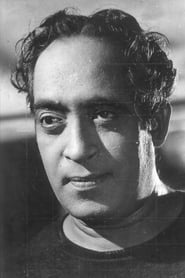
K.N. Singh
Actor
Born: September 1, 1908 in Dehradun, United Provinces of Agra and Oudh, British India Died: January 31, 2000 Active: 1937-1975 Birth Name: Krishan Niranjan Singh
Films
12 films



About K.N. Singh
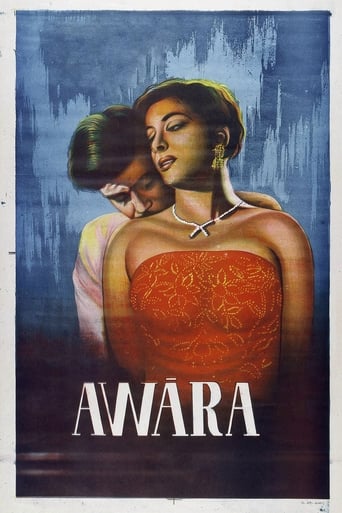
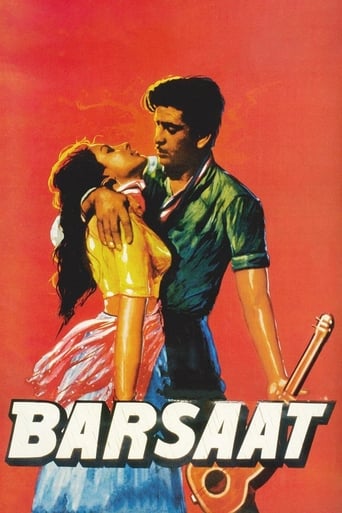
K.N. Singh, born Krishan Niranjan Singh, was one of Indian cinema's most character actors and villains during the Golden Age of Bollywood. Beginning his career in the late 1930s, he quickly established himself as the quintessential sophisticated antagonist, known for his tall, imposing frame, distinctive mustache, and impeccable Western-style attire. Throughout the 1940s and 1950s, he appeared in numerous landmark films, often portraying wealthy, educated villains who served as perfect foils to the heroic protagonists. His performances in films like 'Sikandar' (1941), 'Barsaat' (1949), and 'Awaara' (1951) set the standard for villainous roles in Indian cinema. Singh's over three decades, during which he worked with virtually every major director and actor of his era, including Mehboob Khan, Raj Kapoor, and Dev Anand. Unlike many character actors of his time, he brought a certain refinement and gravitas to his villain roles, making them memorable and complex. His contribution to Indian cinema was recognized as, as he helped establish the archetype of the sophisticated, Westernized villain that would influence generations of actors. He continued working through the 1960s and 1970s, albeit in fewer roles, before retiring from acting.
The Craft
On Screen
K.N. Singh developed a distinctive acting style characterized by his sophisticated, polished portrayal of antagonists. He brought a unique blend of menace and refinement to his roles, often playing educated, Westernized villains with impeccable manners that masked their sinister intentions. His tall, imposing physique, combined with his signature mustache and tailored Western suits, created an instantly recognizable screen presence. Unlike the melodramatic villains common in early Indian cinema, Singh's performances were subtle and restrained, using controlled expressions and measured dialogue delivery to convey menace. He had a particular talent for portraying complex antagonists who were not merely evil but possessed their own motivations and justifications, making his characters more three-dimensional and memorable.
Milestones
- Breakthrough role in 'Sikandar' (1941) establishing him as a leading villain
- Memorable performance in 'Barsaat' (1949) opposite Raj Kapoor
- Iconic villain role in 'Awaara' (1951) directed by Raj Kapoor
- sophisticated villain archetype in Indian cinema
- Worked with virtually all major directors of the Golden Age
- Spanned over 200 films in a career lasting nearly four decades
Best Known For
Iconic Roles
Must-See Films
Accolades
Special Recognition
- Recognized as one of Indian cinema's most iconic villains
- Honored in retrospectives of classic Indian cinema
- Remembered as a pioneer of sophisticated villain roles in Bollywood
Working Relationships
Worked Often With
Studios
Why They Matter
Impact on Culture
K.N. Singh had a profound cultural impact on Indian cinema by establishing the archetype of the sophisticated, educated villain that would become a staple in Bollywood films. His portrayal of Westernized antagonists reflected the cultural tensions of post-colonial India, where traditional values clashed with modern influences. Unlike the crude, mustache-twirling villains of early cinema, Singh's characters were complex, often educated abroad and speaking English fluently, representing a new kind of threat to the traditional Indian hero. This nuanced approach to villainy elevated the quality of Indian cinema and provided audiences with more sophisticated narratives. His distinctive style influenced how antagonists would be portrayed in Indian films for decades, making the educated, well-dressed villain a recurring trope in Bollywood cinema.
Lasting Legacy
K.N. Singh's legacy in Indian cinema is that of a pioneer who transformed the portrayal of villains in Bollywood from one-dimensional caricatures to complex, sophisticated characters. He set the standard for antagonist performances in Indian cinema, demonstrating that villains could be as compelling and nuanced as heroes. His influence can be seen in the work of subsequent generations of character actors who specialized in villain roles. Film historians and critics frequently cite him as. His performances continue to be studied and appreciated in film schools and retrospectives, serving as masterclasses in subtle, controlled acting. The archetype he created – the sophisticated, educated villain – remains relevant in contemporary Indian cinema, proving the enduring nature of his contributions to the art form.
Who They Inspired
K.N. Singh directly influenced numerous actors who followed in his footsteps, particularly those specializing in villain roles. His sophisticated approach to antagonism inspired actors like Prem Chopra, Amrish Puri, and Amjad Khan to bring depth and complexity to their villainous characters. Directors also learned from his performances, understanding that a compelling villain could elevate a film's quality and audience engagement. His technique of using minimal gestures and controlled expressions to convey menace became a reference point for actors studying the craft. Contemporary actors playing negative roles in Indian cinema still draw inspiration from his work, particularly in balancing menace with sophistication. His influence extended beyond acting to costume design in films, as his signature Western suits and polished appearance became the standard for sophisticated villains in Bollywood.
Off Screen
K.N. Singh led a relatively private life away from the film industry spotlight. Born into a respectable family in Dehradun, he maintained a dignified presence both on and off screen throughout his career. Despite playing villains on screen, he was known in real life as a gentleman who was respected by his colleagues for his professionalism and dedication to his craft. He was particularly admired for his punctuality and preparedness on film sets, often arriving early and knowing his lines perfectly. In his later years, he lived a quiet life in Mumbai, occasionally appearing in interviews and documentaries about classic Indian cinema. His passing in 2000 marked the end of an era for Bollywood's Golden Age.
Education
Educated in Dehradun, British India; specific educational institutions not publicly documented
Family
- Unknown - private personal life
Did You Know?
- Despite playing villains in over 200 films, he was known as a gentleman in real life
- He was one of the highest-paid character actors of his era
- His signature mustache became so iconic that many aspiring villains tried to imitate it
- He was fluent in English, which was rare for Indian actors of his generation
- Often played characters who were educated abroad, reflecting his own sophisticated persona
- Never played a heroic lead role in his entire career, specializing exclusively in character and villain parts
- Was known for his punctuality and professionalism on film sets
- His Western-style attire in films was considered revolutionary for Indian cinema of the 1940s
- Worked with three generations of the Kapoor family - Prithviraj, Raj, and Rishi
- Even in his 70s, he maintained his distinctive appearance and screen presence
In Their Own Words
Playing a villain is more challenging than being a hero. A hero has the audience's sympathy, but a villain must earn their attention through performance alone.
In real life, I am a simple man. The sophistication you see on screen is all acting craft.
A good villain makes a better hero. The stronger the antagonist, the more glorious the protagonist's victory.
Frequently Asked Questions
Who was K.N. Singh?
K.N. Singh was one of Indian cinema's most iconic character actors and villains during the Golden Age of Bollywood, known for his sophisticated antagonistic roles in films from the 1940s through the 1960s.
What films is K.N. Singh best known for?
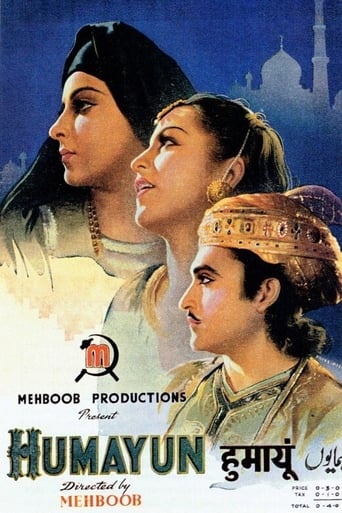
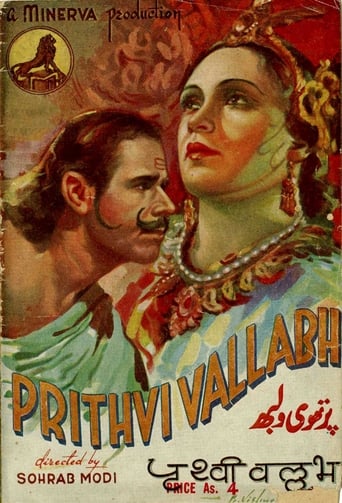
Titles linked here include Sikandar (1941), Prithvi Vallabh (1943).
When was K.N. Singh born and when did he die?
Born September 1, 1908; died January 31, 2000.
What awards did K.N. Singh win?
While K.N. Singh did not receive major formal awards during his career, he was widely recognized as one of Indian cinema's most influential character actors and is honored in retrospectives of classic Bollywood cinema.
What was K.N. Singh's acting style?
K.N. Singh was known for his sophisticated, polished portrayal of villains, bringing refinement and complexity to antagonistic roles through controlled expressions, measured dialogue delivery, and an imposing screen presence.