

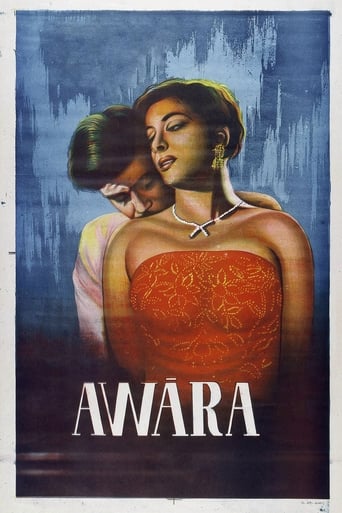
Sanam
"a poor educated young man"
Keys: Space play/pause · ←/→ 10s · F fullscreen · M mute · </> speed
About this film
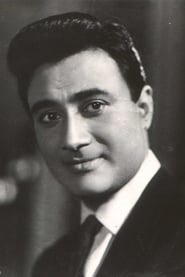
Romantic comedy, where Yogen ( Dev Anand ), a poor educated young man, who is unemployed, comes across Sadhana ( Suraiya ) and Rani ( Meena Kumari ) in a chance encounter in a book shop. He was there to request the shopkeeper for a job, which the latter turns down and shows him the door. While exiting, Yogen notices the handbag of Sadhna, absentmindedly left behind by her and returns it.
Cast & crew
More films like this

More about this film
About the production
Release date1951
Box officeModerately successful - performed well in urban centers
ProductionFilmistan
Filmed inBombay (now Mumbai), India
Sanam was produced during the golden era of Indian cinema at Filmistan Studios, among the leading prominent production houses of the time. The film was shot in black and white using the standard technology of the period. Director Nandlal Jaswantlal was known for his sensitive handling of social themes, and this film was considered one of his more ambitious projects. The production faced challenges typical of the era including limited shooting schedules and technical constraints of early 1950s Indian cinema.
Themes
Class Conflict and Social MobilityJustice vs. Personal RelationshipsLove Transcending Social BarriersUrban Middle-Class StrugglesPost-Independence Social Change
Themes & topics
courtroom dramaromancesocial issuesclass differencesunemploymentcrimejustice systemfamily conflicturban lifemoral dilemma
Historical background
Sanam (1951) emerged during postwar international cinema. romantic comedy, where Yogen ( Dev Anand ), a poor educated young man, who is unemployed, comes across Sadhana ( Suraiya ) and Rani ( Meena Kumari ) in a chance encounter in a book shop. Archival records and catalog entries help place the work within film-history surveys of the period.
Why this film matters
Preserved under Wikidata ID Q3429616, Sanam is valued as a comedy within catalog and archive collections. Wikipedia's "Sanam (1951 film)" entry connect it to broader histories of cinema exhibition and restoration.
Making of
The making of Sanam reflected the collaborative spirit of early 1950s Indian cinema. Director Nandlal Jaswantlal was known for his methodical approach and spent considerable time rehearsing scenes, particularly the dramatic courtroom sequences. Dev Anand, who was still establishing himself as a leading man, underwent extensive preparation for his role as the conflicted protagonist. The chemistry between Dev Anand and Suraiya was reportedly so authentic that rumors of an off-screen romance circulated, though both actors maintained professional relationships. Meena Kumari, who was building her reputation as the 'tragedy queen', delivered a nuanced performance that balanced vulnerability with strength. The film's production at Filmistan Studios benefited from the studio's reputation for technical excellence and artistic freedom. Music director C. Ramchandra worked closely with the director to ensure that the songs enhanced the narrative rather than interrupting it, a relatively innovative approach for the time.
What critics said
Critical writing on Sanam emphasizes its craft and historical interest. Retrospective accounts treat it as an important reference point for scholars and programmers.
Did you know?
- Sanam was one of the early films to feature both Suraiya and Meena Kumari together, creating a unique casting combination of two of the era's most popular actresses
- The film's music composed by C. Ramchandra became extremely popular, with several songs becoming chart-toppers of 1951
- Dev Anand's performance in Sanam was considered a breakthrough role that established him as a serious dramatic actor beyond his romantic image
- The courtroom scenes in the film were praised for their realistic portrayal and were considered ahead of their time in Indian cinema
- Sanam was among the first Hindi films to explicitly address the theme of class differences in urban post-independence India
- The film's title 'Sanam' (Beloved) was chosen to emphasize the central romantic theme despite the serious social drama elements
- Director Nandlal Jaswantlal reportedly worked closely with legal consultants to ensure authenticity in the courtroom sequences
- The film was released in the same year as other notable classics like Awaara and Baazi, making 1951 a significant year in Indian cinema
Awards & recognition
- Filmfare Award for Best Music Director - C. Ramchandra (nominated category, though Filmfare Awards were established in 1954)
Visual style
The cinematography of Sanam, handled by V. Avadhoot, reflected the technical standards and artistic sensibilities of early 1950s Indian cinema. Shot in black and white, the film utilized lighting techniques that emphasized the dramatic contrast between the wealthy and poor characters' environments. The courtroom sequences were particularly notable for their use of shadow and light to create tension and highlight the moral ambiguity of the proceedings. The camera work was relatively static by modern standards but included subtle movements during emotional scenes to enhance their impact. The film's visual style balanced realistic urban settings with the slightly stylized approach common in Indian cinema of the period. The cinematography successfully captured the changing landscape of post-independence Bombay, using the city as a character that reflected the social themes of the narrative.
Innovations
While Sanam was produced using standard technology for its time, it achieved several technical milestones for early 1950s Indian cinema. The film's sound recording quality was notably superior to many contemporaries, particularly in the dialogue-heavy courtroom scenes. The editing, handled by Baburao Patel, created smooth transitions between the film's emotional and dramatic sequences. The production design effectively contrasted the opulent world of the wealthy characters with the struggling middle-class environment, using limited resources to maximum effect. The film's makeup and costume design successfully established the social distinctions between characters through visual cues. Sanam was also among the early films to use location shooting in Bombay to add authenticity to its urban setting, moving away from the purely studio-bound productions common in previous decades.
Music
The soundtrack of Sanam was composed by the C. Ramchandra, with lyrics penned by Rajendra Krishan. The music became one of the film's strongest assets and contributed significantly to its popularity. The songs featured a blend of classical Indian melodies with contemporary Western influences, reflecting the musical experimentation happening in early 1950s Hindi cinema. Notable tracks included romantic duets between Dev Anand and Suraiya that became chart-toppers. The soundtrack was praised for its ability to enhance the narrative rather than merely provide entertainment breaks. The music was released on HMV records and sold exceptionally well for the time. C. Ramchandra's orchestration included both traditional Indian instruments and Western arrangements, creating a unique sound that influenced subsequent film composers. The songs from Sanam continue to be remembered and occasionally featured in classic film music compilations.
Famous quotes
Justice is blind, but love sees all barriers clearly" - Courtroom dialogue
In a world divided by wealth, our hearts speak the same language" - Yogen to Sadhana
Sometimes the law is the biggest obstacle to humanity" - Prosecutor's reflection
Poverty may empty the stomach, but it cannot empty the spirit" - Yogen's monologue
Memorable scenes
- The climactic courtroom scene where Sadhana's father must choose between professional duty and paternal love
- The chance encounter between Yogen and Sadhana that sparks their romance
- The emotional confrontation scene between the lovers when their social differences become apparent
- Yogen's monologue about unemployment and dignity in post-independence India
- The final resolution scene that addresses both the legal and romantic plotlines
What audiences thought
Sanam was received positively by audiences upon its release, particularly in urban centers where its themes of class struggle and social mobility resonated strongly. The film performed well at the box office, benefiting from the star power of its lead actors and the popularity of its music. Audiences appreciated the film's emotional depth and the chemistry between the lead pair. The courtroom drama elements were particularly well-received, as they provided suspense and intellectual engagement beyond typical romantic fare. The film's songs became immensely popular and were frequently played on radio, contributing to the film's success. Over time, Sanam has developed a cult following among classic cinema enthusiasts who appreciate its social relevance and artistic merit. The film is often remembered as an important work in the careers of its lead actors, particularly Dev Anand's transition to more serious roles.
Film connections
Influenced by
- Influenced by Hollywood courtroom dramas of the 1940s
- Inspired by Indian social reform literature
- Drew from the tradition of Indian social cinema established by V. Shantaram
- Incorporated elements of Bombay's urban cinema style
This film influenced
- Subsequent social dramas of the 1950s
- Films exploring class differences in Indian society
- Courtroom dramas in Indian cinema
- Urban middle-class narratives in Hindi films
Film restoration
Sanam is partially preserved with some elements available in film archives. The National Film Archive of India holds copies of the film, though some portions may have deteriorated over time. Restoration efforts have been limited due to the film's age and technical challenges. Certain songs and key scenes are well-preserved and occasionally featured in classic film retrospectives. The film exists in various formats including original film reels and later video transfers, though quality varies. Film enthusiasts and preservationists continue to advocate for a complete digital restoration of this significant work of Indian cinema history.
Where to watch
- Available on classic Indian cinema streaming platforms
- Occasionally screened at film festivals and classic cinema retrospectives
- Some clips available on YouTube and other video platforms
- Preserved copies accessible through film archives and academic institutions
- DVD releases from classic film distributors (region-dependent availability)