

Suraiya
Actor
Born: June 15, 1929 in Lahore, British India (now Pakistan) Died: January 31, 2004 Active: 1936-1963 Birth Name: Suraiya Jamal Sheikh
Films
3 films
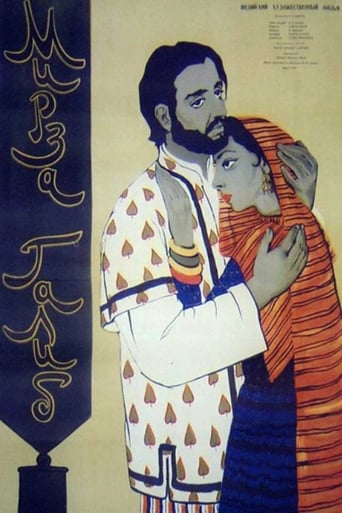
About Suraiya
Suraiya Jamal Sheikh, known mononymously as Suraiya, was actresses and singers of Hindi cinema's Golden Era. Beginning her career as a child artist in the 1930s, she rose to superstardom in the 1940s and 1950s, becoming the highest-paid female actor of her time. Unique among her contemporaries, Suraiya sang her own songs in films, establishing herself as a dual talent who could both act and deliver memorable musical performances. Her breakthrough came with films like 'Anmol Ghadi' (1946) opposite Noor Jehan, and she reached the pinnacle of her career in the early 1950s with hits like 'Dastan' (1950) and 'Mirza Ghalib' (1954). She was particularly known for her tragic romantic roles and her soulful singing voice that captivated millions across the Indian subcontinent. After a highly successful career spanning over three decades, she gradually withdrew from films in the 1960s, choosing to live a private life away from the spotlight. Suraiya remains remembered as one of cinema's first true superstars and a figure who set new standards for female performers in Indian cinema.
The Craft
On Screen
Suraiya was known for her naturalistic acting style that combined emotional depth with subtle expressions. She excelled in tragic romantic roles, often portraying vulnerable yet strong-willed characters who faced heartbreak and adversity. Her performances were characterized by her expressive eyes and ability to convey complex emotions through both dialogue and song. Unlike the melodramatic style common in her era, Suraiya brought a sense of authenticity to her roles, making her characters relatable to audiences. Her dual talent as singer allowed her to infuse her acting with musical authenticity, creating seamless transitions between dramatic scenes and musical performances.
Milestones
- Debut as child artist in 'Usne Kya Socha' (1937)
- Breakthrough role in 'Tadbir' (1945)
- Blockbuster success with 'Anmol Ghadi' (1946)
- Peak career period with 'Dastan' (1950) and 'Mirza Ghalib' (1954)
- Became highest-paid actress in Indian cinema during 1950s
- Retired from films after 'Rustam Sohrab' (1963)
Best Known For
Iconic Roles
Must-See Films
Accolades
Won
- Bengal Film Journalists' Association Award for Best Actress (1951) for 'Dastan'
- Bengal Film Journalists' Association Award for Best Actress (1954) for 'Mirza Ghalib'
- Madhuri Puraskar for Best Actress (1950)
Nominated
- Filmfare Award nomination for Best Actress (1957) for 'Shabash'
- Filmfare Award nomination for Best Actress (1958) for 'Taj Mahal'
Special Recognition
- Featured on Indian postage stamp in 2013 as part of 'Legends of Indian Cinema' series
- Honored by Cine & TV Artistes Association for lifetime contribution to Indian cinema
- Posthumously recognized as one of the greatest actresses of Hindi cinema by Filmfare Magazine
Working Relationships
Worked Often With
Studios
Why They Matter
Impact on Culture
Suraiya revolutionized Hindi cinema by establishing the precedent of actors singing their own songs, a practice that was rare during her time. Her success demonstrated that female leads could carry films on their shoulders without male co-stars, challenging the patriarchal norms of 1940s-50s Bollywood. As one of the first genuine superstars of Indian cinema, she commanded unprecedented fees and had significant creative control over her projects. Her films often addressed themes of women's empowerment and challenged traditional gender roles, particularly in movies like 'Village Girl' where she played an independent woman. Suraiya's popularity extended beyond India to Pakistan, where her films and music remained beloved even after the partition, making her one of the few artists to bridge the cultural divide between the two nations.
Lasting Legacy
Suraiya's legacy endures as. She paved the way for future generations of actor-singers and demonstrated that women could be the primary box office draw in films. Her rendition of songs in 'Mirza Ghalib' remains a benchmark for ghazal singing in films, while her tragic romantic roles influenced how heartbreak and love were portrayed in Bollywood. Modern actresses who sing their own songs, from Alia Bhatt to Shraddha Kapoor, follow in the path that Suraiya helped create. Her films continue to be studied for their artistic merit and are regularly featured in classic cinema retrospectives. The postage stamp issued in her honor and the continued interest in her life story, particularly her romance with Dev Anand, demonstrate her lasting cultural significance.
Who They Inspired
Suraiya influenced multiple generations of performers through her unique combination of acting and singing talents. Her natural acting style inspired later actresses to move away from theatrical performances toward more realistic portrayals. The success of her self-sung songs encouraged music directors to consider actors who could sing, influencing casting decisions for decades. Her ability to command high salaries helped establish economic parity for women in the film industry. Contemporary actresses who pursue both acting and singing often cite Suraiya as an inspiration. Her tragic romantic roles created a template that later stars like Meena Kumari would perfect and make their own. Even modern filmmakers reference her work when creating period pieces set in the 1940s-50s, using her films as authentic references for the era's cinematic style.
Off Screen
Suraiya led a highly publicized personal life, particularly her relationship with actor Dev Anand, which was one of Bollywood's most talked-about romances. The two met during the filming of 'Vidya' (1948) and their on-screen chemistry translated into a real-life relationship that captivated the nation. Despite their deep connection, the relationship ended due to family opposition, as Suraiya's grandmother was against their marriage. She never married and remained devoted to her family, particularly her mother and grandmother who lived with her throughout her life. In her later years, Suraiya became increasingly reclusive, rarely giving interviews or making public appearances, preferring a quiet life in her Mumbai apartment surrounded by her pets and close family members.
Education
Studied at New English School, Bombay; received training in classical music from Ustad Ghulam Hussan Khan
Did You Know?
- Suraiya was the first actress to sing all her songs in films, a practice that was revolutionary in the 1940s
- She was paid Rs. 1 lakh for 'Dastan' (1950), making her the highest-paid actress in Indian cinema at the time
- Her grandmother was very protective and would accompany her to film shoots until she was in her 20s
- Dev Anand proposed marriage to her on a ship during the shooting of a film, but she declined due to family pressure
- She owned a luxurious apartment in Mumbai's Marine Drive where she lived for over 50 years until her death
- Talented painter and often painted in her spare time, though she never exhibited her work publicly
- She was offered the role of Anarkali in 'Mughal-e-Azam' but turned it down, which later went to Madhubala
- Her song 'Tu Mera Chand Main Teri Chandni' from 'Dastan' became
- Despite being a Muslim, she celebrated all festivals and was particularly fond of Diwali
- She never married and remained devoted to her family, particularly her mother whom she cared for until her death
In Their Own Words
I never thought of becoming an actress. It just happened, and I accepted it as God's will.
My voice was a gift from God, and I used it to bring joy to people through my songs.
Love is beautiful, but sometimes destiny has other plans for us.
I don't regret any decision in my life. Everything happened for a reason.
The camera loved me, and I loved the camera. It was a relationship that lasted a lifetime.
Frequently Asked Questions
Who was Suraiya?
Suraiya was. She was unique for singing her own songs in films and was the highest-paid actress of her time.
When was Suraiya born and when did she die?
Born June 15, 1929; died January 31, 2004.
What awards did Suraiya win?
Suraiya won multiple Bengal Film Journalists' Association Awards for Best Actress for films like 'Dastan' (1951) and 'Mirza Ghalib' (1954). She was also honored with the Madhuri Puraskar and featured on an Indian postage stamp in 2013.
What was Suraiya's acting style?
Suraiya was known for her naturalistic acting style that emphasized emotional depth and subtle expressions. She excelled in tragic romantic roles and brought authenticity to her performances, particularly through her ability to seamlessly transition between acting and singing.
Did Suraiya ever marry?
No, Suraiya never married. She had a famous romance with actor Dev Anand, but they did not marry due to family opposition. She remained single throughout her life, living with her family in Mumbai.
What made Suraiya unique among actresses of her time?
Suraiya was unique because she sang her own songs in films, which was rare in an era dominated by playback singers. This dual talent made her stand out and contributed significantly to her popularity and success.