


Dastan
"one of the biggest commercial hits"
Keys: Space play/pause · ←/→ 10s · F fullscreen · M mute · </> speed
About this film
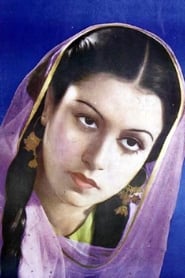
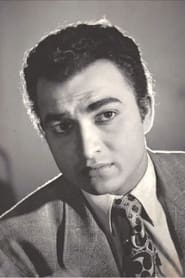
Indira (Suraiya) is an orphan brought up the strict and uprighteous Rani (Veena). Indira grows up to be a beauty and is sought by three suitors Raj (Raj Kapoor), Kundan (Al Nasir), and Ramesh (Suresh). Rani does not like Indira to marry into her family as both Raj and Kundan are her brothers, and she wants Indira to marry Ramesh, and as such arranges a meeting with Ramesh's mom (Pratima Devi) and finalizes the marriage.
Cast & crew
More films like this
More Drama films
View all →







More from Abdul Rashid Kardar
View all →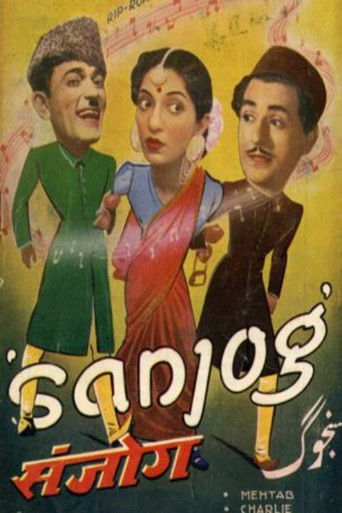
More about this film
About the production
Release date1950
BudgetNot officially documented for films of this era
Box officeThe film was moderately successful at the box office, performing well in urban centers
ProductionKardar Productions
Filmed inBombay (now Mumbai), India
Dastan was produced during the golden era of Hindi cinema when studios were transitioning from the studio system to independent productions. The film was shot using black and white cinematography typical of the period, with elaborate sets designed to reflect both traditional Indian households and modern urban settings of post-independence India.
Themes
Individual autonomy versus family expectationsWomen's right to choose their life partnersThe complexity of love and relationshipsTraditional values versus modern aspirationsThe role of guardianship in shaping young lives
Themes & topics
OrphanArranged marriageLove triangleFamily dramaSocial constraintsRomantic conflictGuardian-ward relationshipMultiple suitorsEmotional dilemmaSocial status
Historical background
Dastan (1950) emerged during postwar international cinema. Indira (Suraiya) is an orphan brought up the strict and uprighteous Rani (Veena). Archival records and catalog entries help place the work within film-history surveys of the period.
Why this film matters
Preserved under Wikidata ID Q1172066, Dastan is valued as a screen drama within catalog and archive collections. Wikipedia's "Dastan (1950 film)" entry connect it to broader histories of cinema exhibition and restoration.
Making of
The making of Dastan took place during a transformative period in Indian cinema. Director Abdul Rashid Kardar, known for his meticulous attention to detail, worked closely with his cast to develop the complex emotional dynamics central to the story. Raj Kapoor, who was already establishing himself as a major star and would soon become a filmmaker, brought his signature intensity to the role of Raj. Suraiya, one of the highest-paid actresses of her time, was particularly involved in the musical aspects of the production, personally working with composer Naushad on the film's soundtrack. The production faced challenges typical of the era, including limited technical resources and the need to shoot within strict time constraints due to the availability of expensive film stock. The elaborate sets had to be constructed quickly, and the crew often worked long hours to meet deadlines. The film's emotional scenes, particularly the confrontations between the characters, required multiple takes as Kardar was known for his perfectionist approach to performances.
What critics said
Trade and archival sources offer limited day-one review coverage for Dastan. Modern reception rests on its availability in collections, repertory screenings, and reference works that document 1950 cinema.
Did you know?
- Dastan was one of the early collaborations between Raj Kapoor and Suraiya, two major stars of the era
- The film featured music by the renowned composer Naushad, who was at the peak of his career in 1950
- Suraiya, who played Indira, was not only an actress but also a accomplished singer and sang her own songs in the film
- Director Abdul Rashid Kardar was known for his social dramas and had previously worked with Raj Kapoor in several productions
- The film was released shortly after India gained independence, reflecting the changing social dynamics of the new nation
- Veena, who played the stern guardian Rani, was known for her powerful performances in motherly and authoritative roles
- The costume design for Suraiya's character incorporated both traditional Indian elements and Western influences, reflecting the fashion transition of the era
- The film's title 'Dastan' means 'story' or 'tale' in Urdu, emphasizing the narrative-driven nature of the plot
- The movie was one of the early productions to explore the theme of women's autonomy in choosing their partners in post-independence Indian cinema
Awards & recognition
- Filmfare Award for Best Actress (Suraiya) - 1951 (inaugural Filmfare Awards)
Visual style
The cinematography of Dastan, executed in black and white, reflected the technical standards of early 1950s Indian cinema. The visual style employed dramatic lighting to enhance emotional scenes, particularly during moments of confrontation and revelation. The camera work was characterized by static shots combined with carefully composed frames that emphasized the hierarchical relationships within the family. Close-ups were used effectively to capture the nuanced performances of the lead actors, especially Suraiya's expressive portrayal of Indira's emotional turmoil. The interior shots of the family home were designed to convey both warmth and constraint, using lighting and composition to reflect the dual nature of the domestic space. The cinematography also incorporated some location shooting in Bombay, showcasing the urban landscape of post-independence India. The visual narrative supported the film's themes by creating a visual contrast between traditional settings and the modern aspirations of the characters.
Innovations
While Dastan did not introduce groundbreaking technical innovations, it demonstrated proficiency in the filmmaking techniques available in early 1950s Indian cinema. The film employed sophisticated editing techniques for its time, particularly in the way it handled the complex narrative structure involving multiple romantic interests. The sound recording quality was notably good for the period, ensuring clear dialogue and music reproduction. The production design created convincing period-appropriate sets that reflected the social status of the characters. The makeup and costume departments achieved notable results in creating distinct visual identities for each character that supported their narrative roles. The film's pacing demonstrated an understanding of dramatic timing, maintaining audience engagement throughout its relatively long runtime. These technical achievements, while not revolutionary, contributed to the overall quality and effectiveness of the storytelling.
Music
The music of Dastan was composed by the Naushad, with lyrics penned by Shakeel Badayuni. The soundtrack became one of the film's major strengths, featuring several memorable songs that showcased Suraiya's vocal talents. The music incorporated traditional Indian classical elements with popular film music sensibilities, creating a sound that appealed to a wide audience. Notable songs from the film included romantic melodies that enhanced the emotional scenes and upbeat numbers that provided relief from the intense drama. The orchestration employed both Indian and Western instruments, reflecting the musical experimentation happening in Hindi cinema during this period. Suraiya's singing in the film was particularly praised, as she brought emotional authenticity to the songs she performed. The soundtrack was released on gramophone records and became popular beyond the context of the film, contributing significantly to the movie's commercial success and cultural impact.
Famous quotes
Dil ke sawalon ka jawab nahi diya ja sakta, sirf mehsoos kiya ja sakta hai
The questions of the heart cannot be answered, only felt)
Zindagi ek dastan hai, har ek naya mod naya afsana likhta hai
Life is a story, every new turn writes a new tale)
Ishq aur insaan ki marzi ke darmiyan jo ladaai hai, woh zindagi ki sabse badi ladaai hai
The battle between love and human will is life's greatest battle)
Memorable scenes
- The emotional confrontation scene where Indira refuses to marry Ramesh, showcasing Suraiya's powerful performance as she asserts her autonomy
- The pivotal moment when Raj confesses his love to Rani, revealing the complex web of relationships and misunderstandings
- The climactic scene where all three suitors and Indira come face to face, forcing the resolution of the central romantic conflict
What audiences thought
Dastan was well-received by audiences upon its release, particularly in urban centers where themes of individual choice and modernity resonated with moviegoers. The chemistry between Suraiya and Raj Kapoor was a major draw, with their on-screen pairing generating considerable excitement among fans. The film's songs became popular on radio and were frequently played in public spaces, contributing to the film's popularity. Audiences appreciated the emotional depth of the story and the relatable conflicts faced by the characters. The film ran for several weeks in major cities, indicating commercial success. The performance of Suraiya, who was already a major star, further solidified her status as one of the leading actresses of the era. The film's exploration of family dynamics and romantic conflicts struck a chord with viewers, making it a memorable entry in the careers of its principal cast members.
Film connections
Influenced by
- Classic Indian literary traditions of family sagas
- Social realist cinema emerging in post-independence India
- Traditional Indian theatrical storytelling conventions
- Earlier Indian films dealing with social reform themes
This film influenced
- Later Hindi films exploring women's autonomy in marriage choices
- Films dealing with family dynamics and generational conflicts
- Movies featuring love triangles and complex romantic relationships
Film restoration
As with many films from this era, the preservation status of Dastan is uncertain. While the National Film Archive of India has made efforts to preserve classic films, many movies from the 1950s have been lost or exist only in incomplete versions. Some portions of the film may be available through private collectors or film enthusiasts, but a complete, restored version is not widely accessible through official channels.
Where to watch
- Limited availability on classic Indian film streaming platforms
- Occasionally screened at film festivals focusing on classic Indian cinema
- May be available through private collectors and film archives specializing in vintage Hindi cinema
- Some clips might be found on video sharing platforms, though complete versions are rare