
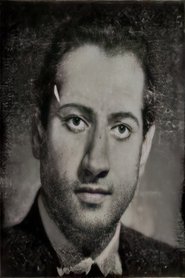
Abdul Rashid Kardar
Director
Born: 1904 in Lahore, British India (now Pakistan) Died: October 22, 1989 Active: 1929-1965
Films
2 films
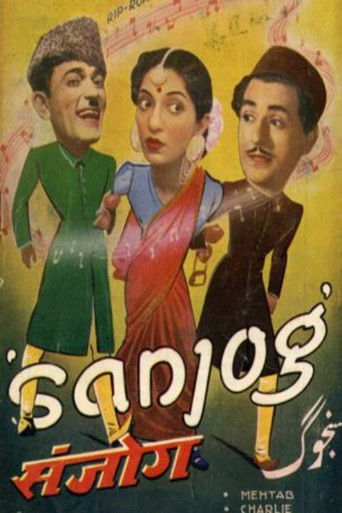
About Abdul Rashid Kardar
Figure in Indian cinema who began his career as an actor in silent films during the 1920s before transitioning to directing and producing. He established his own production company, Kardar Productions, in Lahore before the partition of India, and later moved to Bombay where he continued his filmmaking career. Kardar was instrumental in developing the Urdu-Hindi film industry and worked extensively with prominent actors of his time, including Dilip Kumar and Suraiya. His films often featured elaborate sets, melodramatic storytelling, and musical elements that became hallmarks of early Indian cinema. He directed and produced numerous successful films throughout the 1940s and 1950s, becoming filmmakers of his generation. Kardar's the transition from silent films to talkies, and he adapted successfully to the changing landscape of Indian cinema. His work laid important groundwork for the development of the Indian film industry, particularly in the genres of social dramas and romantic films.
The Craft
Behind the Camera
Kardar's directing style was characterized by melodramatic storytelling, elaborate set designs, and a strong emphasis on emotional narratives. He often incorporated social themes and family values into his films, making them relatable to Indian audiences. His films featured grand visual spectacles and musical sequences that became signature elements of his work.
Milestones
Best Known For
Must-See Films
Accolades
Won
- Filmfare Award for Best Film for 'Dastan' (1951)
Nominated
- Filmfare Award nominations for Best Director
Special Recognition
- Recognized as one of the pioneers of Indian cinema
- Honored at various Indian film festivals for his contributions
Working Relationships
Worked Often With
Studios
Why They Matter
Impact on Culture
Abdul Rashid Kardar played a crucial role in shaping early Indian cinema, particularly in the development of the Urdu-Hindi film industry. His films helped establish many conventions that would become standard in Indian cinema, including the integration of music and drama. He was instrumental in bridging the film cultures of Lahore and Bombay, contributing to the growth of cinema across the subcontinent. Kardar's work reflected the social and cultural changes occurring in India during the independence era, making his films historically significant beyond their entertainment value.
Lasting Legacy
Kardar's legacy as a pioneer of Indian cinema endures through his influential films and the production company he established. He is remembered as one of the early architects of the Indian film industry's commercial and artistic framework. Many of his films are now considered classics of early Indian cinema and are studied for their historical and cultural significance. His ability to adapt to changing technologies and audience preferences set a precedent for future generations of Indian filmmakers.
Who They Inspired
Kardar influenced numerous filmmakers who followed, particularly in his approach to combining commercial appeal with artistic merit. His success in establishing an independent production company inspired others to take control of their creative vision. The actors and technicians who worked with him often went on to have successful careers, carrying forward the techniques and values they learned under his guidance. His films continue to be referenced and remade, demonstrating their lasting impact on Indian popular culture.
Off Screen
Kardar was married and had children who later became involved in the film industry. He maintained strong ties to both Lahore and Bombay throughout his career, reflecting the interconnected nature of pre-partition Indian cinema. His family continued his legacy in filmmaking after his death.
Education
Limited formal education, largely self-taught in filmmaking through practical experience in the early Indian film industry
Family
- Actress Begum (married 1920s)
Did You Know?
- Started his career as an actor in silent films in the 1920s
- Established one of the first film production companies in Lahore
- His film 'Dastan' was one of the biggest hits of 1950
- Worked with legendary music director Naushad on several films
- Was one of the few directors who successfully transitioned from Lahore to Bombay after partition
- His films often featured strong female characters, which was progressive for their time
- Kardar Productions became
- He discovered and launched the careers of several prominent actors
- His films were known for their elaborate sets and costumes
- He was one of the first Indian filmmakers to understand the importance of marketing and promotion
In Their Own Words
Cinema is not just entertainment; it's a reflection of our society and our dreams.
Every film I make is a piece of my heart, shown on the silver screen for the world to see.
The transition from silent to sound films was challenging, but it opened new possibilities for storytelling.
Frequently Asked Questions
Who was Abdul Rashid Kardar?
Indian on YTB.my. He was.
What films is Abdul Rashid Kardar best known for?
When was Abdul Rashid Kardar born and when did he die?
Born 1904; died October 22, 1989.
What awards did Abdul Rashid Kardar win?
Kardar received the Filmfare Award for Best Film for 'Dastan' in 1951, recognizing his excellence in film production. He was also nominated for several Filmfare Awards for Best Director and was honored at various Indian film festivals for his contributions to cinema.
What was Abdul Rashid Kardar's directing style?
Kardar's directing style emphasized melodramatic storytelling with elaborate visual productions and emotional narratives. He was known for integrating social themes with entertainment value, creating films that resonated with Indian audiences through their combination of drama, music, and spectacle.