
Films
2 films
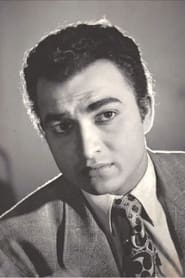
About Suresh
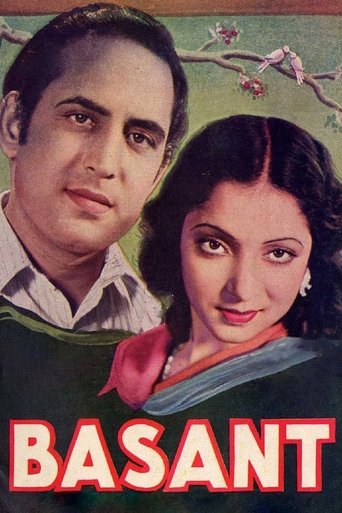
Indian actor who worked primarily in Hindi cinema during the 1940s and early 1950s, appearing in the golden era of Indian filmmaking. He made his debut in the 1942 film Basant, which was directed by Amiya Chakravarty and produced by Bombay Talkies. His the crucial transitional period in Indian cinema when the industry was establishing itself as a major cultural force. Suresh appeared in character roles and supporting parts, often playing the friend or confidant to the main protagonist. His most notable work came in the 1950 film Dastan, a dramatic film that showcased his ability to handle emotionally complex scenes. Despite his relatively short career spanning only about eight years, he managed to work with some of the prominent directors and actors of his time. His final known film appearances were in the early 1950s, after which he seemingly retired from the film industry.
The Craft
On Screen
Suresh was known for his naturalistic acting style that was characteristic of the transitional period in Indian cinema from theatrical to more realistic performances. He often portrayed sincere, grounded characters that provided emotional support to the main protagonists.
Best Known For
Iconic Roles
Must-See Films
Working Relationships
Worked Often With
Studios
Why They Matter
Impact on Culture
Suresh contributed to the development of Hindi cinema during its formative years when the industry was establishing its unique identity. His work in films like Basant and Dastan helped shape the supporting character archetype that would become essential to Indian cinema's narrative structure. As part of the ensemble casts of these significant films, he participated in creating the template for social dramas that would dominate Indian cinema for decades.
Lasting Legacy
While not a major star, Suresh represents the many talented character actors who were the backbone of early Indian cinema. His filmography, though brief, includes works that are now considered classics of Hindi cinema. These films serve as important historical documents of the evolution of Indian filmmaking and storytelling techniques.
Who They Inspired
As a supporting actor from the early golden age of Hindi cinema, Suresh's work influenced subsequent generations of character actors who understood the importance of strong supporting performances in creating memorable films. His naturalistic approach to acting helped move Hindi cinema away from purely theatrical performances toward more realistic portrayals.
Off Screen
Very little is documented about Suresh's personal life, which was common for many supporting actors of his era who did not achieve star status. Like many actors of his generation, he maintained a private life away from the public eye.
Did You Know?
- Appeared in only two known films during his career
- Worked during the transitional period when Indian cinema was moving from silent films to talkies
- His film Basant (1942) was produced by the prestigious Bombay Talkies
- Dastan (1950) was one of the early films to explore complex family dynamics in Hindi cinema
- Like many character actors of his era, he often went without on-screen billing in film posters and promotional materials
- His career coincided with India's independence, a period of great social and cultural change
- The films he appeared in are now considered important artifacts of early Hindi cinema history
Frequently Asked Questions
Who was Suresh?
When was Suresh active in films?
Suresh was active in the film industry from 1942 to 1950, working during a crucial period in the development of Hindi cinema that coincided with India's independence and the establishment of the Indian film industry as a major cultural force.
What was Suresh's acting style?
Suresh was known for his naturalistic acting style that helped move Hindi cinema away from theatrical performances toward more realistic portrayals. He typically played supporting character roles that provided emotional depth to the main narratives.
What studio did Suresh work with?
Suresh worked with Bombay Talkies,.