
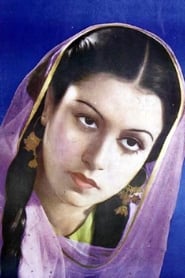
Veena
Actor
Born: July 4, 1926 in Lahore, Punjab, British India (now Pakistan) Died: November 14, 2004 Active: 1943-1950 Birth Name: Veena Kumari
Films
3 films
About Veena
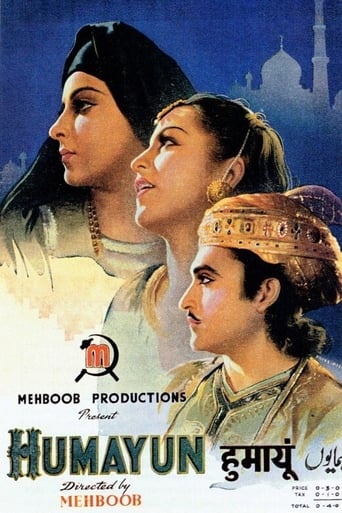
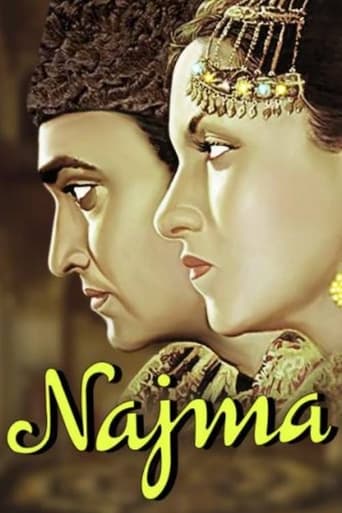
prominent actress in Indian cinema during the 1940s and early 1950s — known for her work in Hindi films. She began her career during the golden era of Indian cinema and quickly established herself as a versatile performer capable of handling both dramatic and romantic roles. Her breakthrough came with Najma (1943), which showcased her ability to portray complex emotions with subtlety and depth. She continued to build her reputation with notable performances in historical dramas like Humayun (1945), where she brought regal grace to period storytelling. By the time she appeared in Dastan (1950), she had become one of the respected character actresses of her generation, known for her dignified screen presence and natural acting style. Her career, though relatively brief, left a significant mark on early Indian cinema during its transition from studio system to more realistic storytelling.
The Craft
On Screen
Naturalistic and dignified, with emphasis on subtle emotional expression rather than melodramatic gestures typical of the era. She brought a quiet strength to her characters, particularly excelling in period roles where her regal bearing and controlled performance style made her ideal for historical dramas.
Best Known For
Iconic Roles
Must-See Films
Accolades
Won
- No major formal awards documented from her active period
Nominated
- No formal nominations documented from the 1940s era
Special Recognition
- Recognized as one of the actresses of early Indian cinema
- Remembered for contributions to historical drama genre
Working Relationships
Worked Often With
Studios
Why They Matter
Impact on Culture
Veena contributed to the evolution of Indian cinema during its formative years, helping establish the archetype of the strong, dignified female character in Hindi films. Her performances in historical dramas helped legitimize period films as serious cinema rather than mere entertainment. She was part of the generation that moved Indian film acting away from theatrical traditions toward more naturalistic performances.
Lasting Legacy
Veena is remembered as a significant figure in early Indian cinema, particularly for her contributions to historical and dramatic films. Though her career was relatively short, her work in films like Najma and Humayun set standards for period acting in Indian cinema. She represents the transition from early theatrical acting styles to more realistic performance techniques that would dominate Indian cinema in later decades.
Who They Inspired
Her naturalistic acting style influenced subsequent generations of actresses, particularly those working in dramatic and historical genres. She demonstrated that Indian actresses could maintain dignity while portraying complex emotional characters, helping expand the range of roles available to women in Indian cinema.
Off Screen
Veena was born into a family in Lahore during the British Raj era and later moved to Bombay (now Mumbai) to pursue her acting career. She was part of the generation of artists who witnessed and contributed to the birth of modern Indian cinema. After her acting career ended in the early 1950s, she largely withdrew from public life, maintaining privacy about her later years.
Education
Limited information available about her formal education, which was typical for actresses of her era
Family
- Information not widely documented
Did You Know?
- Born in Lahore, which was part of British India at the time
- Her real name was Veena Kumari
- She was active during the crucial transition period of Indian cinema (1940s)
- Najma (1943) was one of her earliest and most successful films
- She worked during the era when Indian cinema was establishing its unique identity
- Her active years covered the partition of India, a tumultuous period in South Asian history
- She was part of the studio system era of Indian film production
- Her performances were known for their subtlety in an era of melodramatic acting
- She worked with some of the directors of Indian cinema
- Her films are now considered classics of early Hindi cinema
In Their Own Words
No widely documented quotes from interviews or public appearances are available from her era
Frequently Asked Questions
Who was Veena?
When was Veena born and when did she die?
Born July 4, 1926; died November 14, 2004.
What awards did Veena win?
While formal award systems were not well-established during her active period in the 1940s, Veena was recognized for her significant contributions to early Indian cinema and is remembered as a actress who helped establish standards for dramatic and historical film acting in India.
What was Veena's acting style?
Veena's acting style was characterized by naturalism and dignity, emphasizing subtle emotional expression over the melodramatic gestures common in her era. She brought a quiet strength to her characters and excelled particularly in period roles where her regal bearing and controlled performance made her ideal for historical dramas.
Why is Veena important in Indian cinema history?
Veena is important in Indian cinema history as she was part of the generation that helped establish modern Indian film acting, moving away from theatrical traditions toward more realistic performances. Her work in historical dramas helped legitimize the genre and expanded the range of roles available to actresses in Indian cinema.
What studio did Veena work with?
Veena worked primarily with major studios of the era including Bombay Talkies and Filmistan Studios, which were among the leading production houses during the golden age of early Indian cinema.
How did the partition of India affect Veena's career?
Born in Lahore (now Pakistan), Veena was part of the generation of artists who experienced the partition of India in 1947. While specific details about how this affected her career are limited, she continued working in Bombay's film industry, which became the center of post-partition Indian cinema.