
Films
4 films
About Pratima Devi
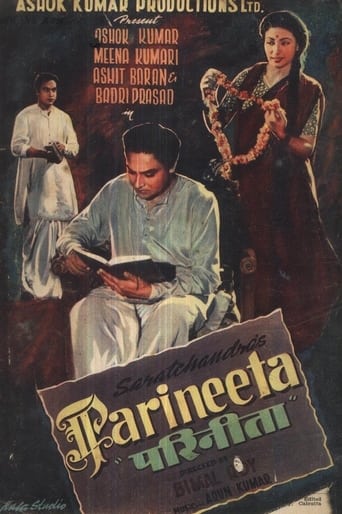
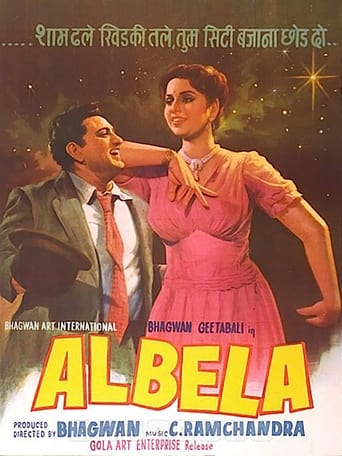
Prominent Indian actress who graced the silver screen during the golden era of Hindi cinema in the 1950s. She began her career with notable appearances in Sanam (1951) and Albela (1951), quickly establishing herself as a versatile character actress. Her performance in Bimal Roy's Parineeta (1953) showcased her ability to portray complex emotional depth, while her role in the critically acclaimed Naya Daur (1957) further cemented her reputation as a reliable supporting actress. Though primarily known for her supporting roles, Pratima Devi brought authenticity and nuance to every character she portrayed, working alongside some of the biggest stars of her time including Dilip Kumar, Madhubala, and Meena Kumari. Her career, though relatively brief, spanned some of the most significant years of Indian cinema's transition to more socially relevant storytelling. After Naya Daur, she gradually stepped back from films, leaving behind a legacy of memorable performances in some of Bollywood's most cherished classics.
The Craft
On Screen
Pratima Devi was known for her naturalistic acting style that brought authenticity to her supporting roles. She excelled at portraying emotionally complex characters with subtlety and depth, often playing the confidante, family member, or friend to the protagonists. Her performances were marked by expressive eyes and a dignified presence that commanded attention even in smaller roles.
Best Known For
Iconic Roles
Must-See Films
Working Relationships
Worked Often With
Studios
Why They Matter
Impact on Culture
Pratima Devi contributed significantly to the golden age of Indian cinema during a transformative period when Hindi films were evolving towards more socially conscious storytelling. Her performances in films like Parineeta and Naya Daur helped create the supporting characters that gave depth and authenticity to classic Bollywood narratives. She represented the archetype of the dignified, emotionally nuanced Indian woman on screen, helping to shape audience expectations of female representation in cinema.
Lasting Legacy
Pratima Devi's legacy lies in her contributions to some of the most celebrated films in Indian cinema history. Though she never achieved leading lady status, her work in classic films like Albela, Parineeta, and Naya Daur ensures her place in film history. She represents the countless character actresses who formed the backbone of golden age cinema, providing essential support to the narratives and helping create memorable, fully realized cinematic worlds.
Who They Inspired
As a character actress during the formative years of post-independence Indian cinema, Pratima Devi helped establish the importance of well-developed supporting roles in Bollywood films. Her naturalistic style influenced subsequent generations of character actresses who recognized the value of bringing authenticity and depth to every role, regardless of screen time.
Off Screen
Pratima Devi maintained a relatively private personal life away from the spotlight. Like many actresses of her era, she balanced her film career with family responsibilities. Details about her personal life remain limited, as was common for character actresses of the 1950s who often preferred to keep their private affairs away from public scrutiny.
Did You Know?
- Appeared in four major films within a six-year period, all of which became classics
- Worked with legendary director Bimal Roy in Parineeta
- Was part of the ensemble cast of Naya Daur, which won the National Film Award for Best Feature Film
- Her film Albela (1951) was one of the biggest hits of 1951
- Sanam (1951) was her debut film, pairing her with established star Dev Anand
- Parineeta (1953) was based on a Bengali novella by Sarat Chandra Chattopadhyay
- Naya Daur (1957) was notable for its theme of man versus machine and featured color sequences
- All her major films were released within six years, marking a concentrated but impactful career
Frequently Asked Questions
Who was Pratima Devi?
Indian actress active in Hindi cinema during the 1950s, known for her supporting roles in classic films like Albela, Parineeta, and Naya Daur. She worked alongside some of the biggest stars of her era and contributed to several landmark films of Indian cinema's golden age.
What films is Pratima Devi best known for?
When was Pratima Devi born and when did she die?
Born 1932; died death date not listed.
What awards did Pratima Devi win?
There are no documented awards or nominations specifically for Pratima Devi's individual performances. However, she was part of the cast of Naya Daur (1957), which won the National Film Award for Best Feature Film in Hindi.
What was Pratima Devi's acting style?
Pratima Devi was known for her naturalistic and dignified acting style, bringing authenticity to supporting roles. She excelled at portraying emotionally complex characters with subtlety, often playing family members or confidantes to the main protagonists.