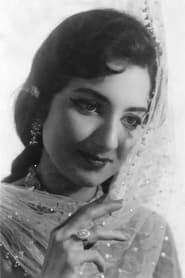
Tabassum
Actor
Born: July 9, 1944 in Bombay, Bombay Presidency, British India Died: November 18, 2022 Active: 1950-1993 Birth Name: Tabassum Fatima Hashmi
Films
4 films
About Tabassum
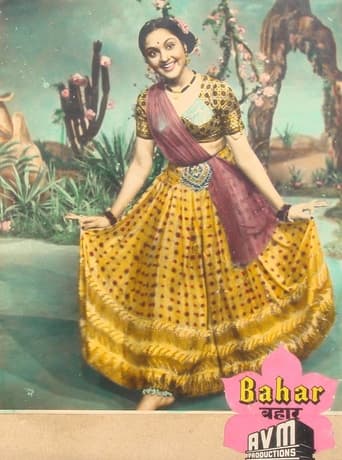
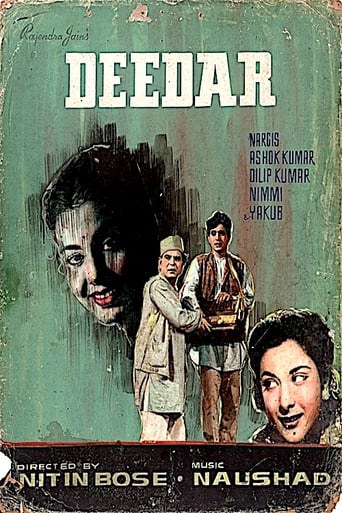
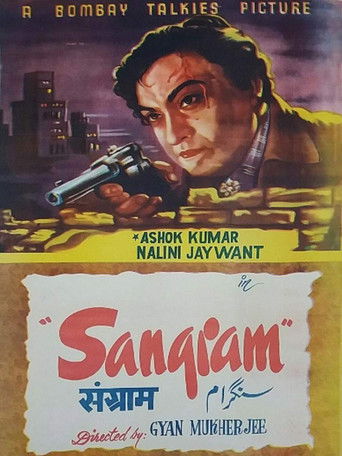
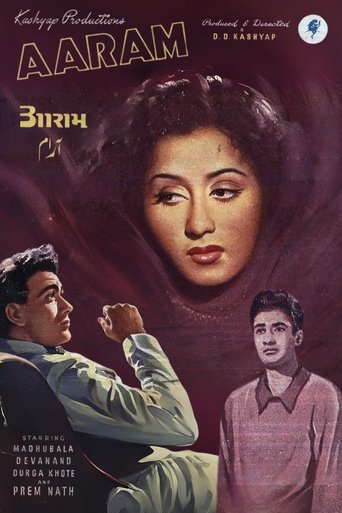
Tabassum Fatima Hashmi, known professionally as Tabassum, was a figure in Indian cinema who began her career as a child actor in the early 1950s. She made her film debut as Baby Tabassum in the film Sangram (1950) at the young age of six, quickly establishing herself as talented child actors of her generation. Her breakthrough role came in Bahar (1951), where she played the younger version of Vyjayanthimala's character, showcasing remarkable emotional depth and natural acting ability that belied her tender age. Throughout 1950-1951, she appeared in several significant films including Deedar (1951) and Aaram (1951), working alongside actors like Dilip Kumar, Nargis, and Ashok Kumar. After her successful child acting career, Tabassum transitioned to become one of India's first television talk show hosts with her program 'Phool Khile Hain Gulshan Gulshan' on Doordarshan, which ran for 21 years from 1972 to 1993. She interviewed virtually every major star of Hindi cinema during this period, becoming a household name and an important cultural figure in post-independence India. Her career represents a unique trajectory from child star to media personality, spanning multiple decades of Indian entertainment history.
The Craft
On Screen
As a child actor, Tabassum was known for her natural, unforced performances that displayed remarkable emotional intelligence beyond her years. She had an innate ability to convey complex emotions through subtle expressions and body language, making her particularly effective in dramatic scenes requiring pathos or innocence. Her acting style was characterized by its authenticity and lack of artificiality, which set her apart from other child actors of the era who often relied on exaggerated gestures.
Milestones
- Film debut as child actor in Sangram (1950)
- Breakthrough role in Bahar (1951)
- Worked with legendary actors Dilip Kumar and Nargis
- Became India's first female talk show host with Phool Khile Hain Gulshan Gulshan (1972)
- Interviewed over 1,000 film personalities on her TV show
- Produced films under her banner T-Series
Best Known For
Iconic Roles
Must-See Films
Accolades
Won
- Kalakar Award for Lifetime Achievement (2000)
- Indian Television Academy Award for Contribution to Indian Television (2001)
Nominated
- Filmfare Award for Best Supporting Actress (1951) - for Bahar
Special Recognition
- Padma Shri nominee (considered for India's fourth highest civilian award)
- Pioneer of Indian Television Award
- Lifetime Achievement Award from Indian Motion Picture Producers Association
Working Relationships
Worked Often With
Studios
Why They Matter
Impact on Culture
Tabassum's impact on Indian popular culture extends far beyond her brief but memorable career as a child actor. As the host of 'Phool Khile Hain Gulshan Gulshan,' she became a cultural icon who brought the glamour of Bollywood into Indian homes during the early days of television. Her show was instrumental in creating the template for celebrity interviews in India, and her warm, motherly interviewing style made stars accessible to the common person. She broke gender barriers by becoming one of the first female television hosts in a male-dominated industry, paving the way for future generations of women in media. Her transition from child actor to successful media personality demonstrated the possibilities for career longevity in the entertainment industry.
Lasting Legacy
Tabassum's legacy is that of a trailblazer who successfully navigated multiple eras of Indian entertainment - from the golden age of Hindi cinema to the dawn of television and beyond. As a child actor, she remains. Her television career established her as a household name and created a cultural touchstone for millions of Indians who grew up watching her show. She demonstrated remarkable adaptability throughout her career, evolving with the changing media landscape while maintaining her distinctive style and grace. Tabassum's journey from Baby Tabassum to 'Tabassum Aunty,' as she was affectionately known, represents a unique chapter in the history of Indian popular culture.
Who They Inspired
Tabassum influenced generations of television hosts and interviewers with her distinctive style that combined warmth, respect, and genuine curiosity. Her approach to celebrity interviews - focusing on the human side of stars rather than just their professional achievements - became a template for future entertainment journalism. Many contemporary television hosts have cited her as an inspiration, particularly for her ability to make guests feel comfortable while still engaging audiences. Her success as a woman in media during the 1970s and 1980s inspired other women to pursue careers in broadcasting and television production. Additionally, her transition from child actor to successful adult in entertainment provided a model for other child actors seeking to build sustainable careers in the industry.
Off Screen
Tabassum was born into a family with connections to the film industry - her mother was actress Asghari Begum. She married Vijay Govil, brother of actor Govinda, and had two sons, Hoshang and Raja. Her son Raja Govil also became an actor and television personality. Tabassum maintained a private personal life despite her public career, focusing on her family and philanthropic work. She was known for her charitable efforts, particularly in supporting education for underprivileged children.
Education
Studied at St. Joseph's Convent High School, Mumbai; later completed graduation from University of Mumbai
Family
- Vijay Govil (married in 1964 until his death in 2022)
Did You Know?
- Started acting at age 6 after being discovered by director A. R. Kardar
- Was paid only 150 rupees for her role in Bahar (1951)
- Her TV show 'Phool Khile Hain Gulshan Gulshan' ran for 21 years, making it one of India's longest-running talk shows
- Interviewed over 1,000 film personalities during her television career
- Was one of the first celebrities to endorse products on Indian television
- Her mother Asghari Begum was also an actress in the 1930s and 1940s
- Turned down many film offers in the 1960s to focus on her family
- Her husband Vijay Govil was a successful businessman in the pharmaceutical industry
- Was offered the role of mother in several films but preferred television work
- Wrote an autobiography titled 'Tabassum: My Life, My Times'
- Was known for her extensive collection of saris, which she often showcased on her TV show
- Spoke five languages fluently: Hindi, Urdu, English, Marathi, and Gujarati
In Their Own Words
In television, you have to be yourself. In films, you can hide behind characters. I preferred being myself.
Every guest on my show was like family to me. I never interviewed them, I conversed with them.
The golden age of cinema was magical, but television brought that magic into every Indian home.
I never wanted to be a star. I wanted to be the person who made stars feel comfortable.
Children in films should be treated as children, not as mini-adults. That was my philosophy as a child actor.
Frequently Asked Questions
Who was Tabassum?
When was Tabassum born and when did she die?
Born July 9, 1944; died November 18, 2022.
What awards did Tabassum win?
Tabassum received several recognitions including the Kalakar Award for Lifetime Achievement in 2000 and the Indian Television Academy Award for Contribution to Indian Television in 2001. She was also considered for the Padma Shri, India's fourth highest civilian award, and received various honors from film and television industry associations for her work.
What was Tabassum's acting style as a child actor?
Tabassum's acting style as a child was characterized by its naturalness and emotional authenticity. Unlike many child actors of her era who used exaggerated expressions, she delivered subtle, nuanced performances that displayed remarkable emotional intelligence. Her ability to convey complex emotions through minimal gestures made her particularly effective in dramatic roles requiring pathos and innocence.