Talat Mahmood
Actor
Born: February 24, 1924 in Lucknow, United Provinces of Agra and Oudh, British India Died: May 9, 1998 Active: 1944-1985
Films
1 film
About Talat Mahmood
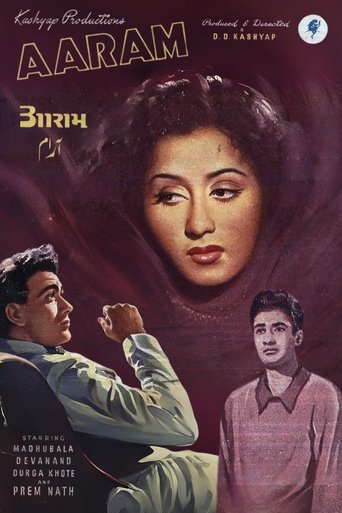
Talat Mahmood was one of India's most celebrated playback singers and actors during the golden era of Hindi cinema. Born in Lucknow in 1924, he began his career as a radio singer at All India Radio before transitioning to films in the 1940s. His velvety, baritone voice and romantic singing style earned him the title 'King of Ghazals' and made him a household name across the Indian subcontinent. While primarily known for his singing, he also appeared in several films as an actor, including 'Aaram' (1951), though his acting career was brief compared to his monumental success as a playback singer. He recorded over 800 songs in his career and worked with all the major music directors of his time. His distinctive style influenced generations of singers and he became particularly popular for his melancholic and romantic ballads. Talat Mahmood retired from active singing in the 1980s but on Indian music and cinema.
The Craft
On Screen
Talat Mahmood's acting style was characterized by his natural, understated performances that complemented his romantic image. He typically played the sophisticated, romantic hero with a melancholic charm that matched his singing persona. His screen presence was gentle and refined, often portraying characters who were either poets, musicians, or sensitive souls. While not a method actor in the classical sense, his performances were sincere and heartfelt, drawing from his genuine musical sensibility. His acting, though brief, was marked by a certain elegance that made him believable in romantic roles.
Milestones
- Debut as radio singer at All India Radio (1944)
- First film appearance in 'Jhoothi Kasmen' (1948)
- Breakthrough with 'Aaram' (1951)
- Recorded over 800 songs in his career
- Known as the 'King of Ghazals'
- Received Padma Shri award (1971)
- Popularized non-film ghazals in mainstream music
- Successful international tours and concerts
Best Known For
Iconic Roles
Must-See Films
Accolades
Won
- Padma Shri (1971)
- Bengal Film Journalists' Association Awards
- Filmfare Award nominations
Nominated
- Filmfare Award for Best Male Playback Singer (multiple nominations)
Special Recognition
- Title of 'King of Ghazals'
- Padma Shri (India's fourth highest civilian award)
- Numerous honorary titles from music organizations
- Tribute concerts and documentaries in his memory
Working Relationships
Worked Often With
Studios
Why They Matter
Impact on Culture
Talat Mahmood revolutionized the ghazal genre in Indian cinema, bringing it from classical concerts to mainstream films and making it accessible to the masses. His distinctive singing style, characterized by a soft, melancholic delivery, became synonymous with romance and pathos in Hindi cinema of the 1950s and 1960s. He was instrumental in popularizing Urdu poetry through his songs, introducing literary ghazals to a wider audience. His work bridged the gap between classical and popular music, maintaining artistic integrity while achieving commercial success. His influence extended beyond India to Pakistan and other South Asian countries, where his recordings remain popular. He helped establish the playback singer as a star in their own right, paving the way for future generations of singers to gain recognition independent of actors.
Lasting Legacy
Talat Mahmood's legacy endures through his timeless recordings that continue to be played on radio stations and streaming platforms decades after his death. He is remembered as a pioneer who brought sophistication and literary depth to film music, elevating the status of playback singers in Indian cinema. His songs have been covered by numerous artists and remain popular in remixes and reinterpretations. The ghazal genre owes much of its mainstream popularity to his efforts, and he inspired countless singers to pursue this art form. His contribution to preserving and promoting Urdu poetry through music has been recognized by cultural institutions. Annual tribute concerts and music festivals continue to celebrate his work, and his recordings are studied by music students for their technical excellence and emotional depth.
Who They Inspired
Talat Mahmood's influence on Indian music is profound and far-reaching. His unique vocal style and approach to ghazal singing inspired generations of singers, from contemporaries like Manna Dey to later artists like Jagjit Singh and Ghulam Ali. He demonstrated that classical and semi-classical forms could thrive in popular cinema, encouraging music directors to incorporate more sophisticated elements in film songs. His success as both singer and actor influenced the industry's approach to multi-talented artists. His emphasis on clear diction and emotional delivery set new standards for playback singing. Many modern ghazal and non-film singers cite him as a primary influence, and his recordings continue to be reference points for vocal training and musical arrangement.
Off Screen
Talat Mahmood led a relatively private personal life despite his immense fame. He married Latifa Begum in 1951, and the couple had three children - Khalid Mahmood, Tazmeen Mahmood, and Sabina Mahmood. His family maintained a low profile, and he was known to be a devoted family man. Despite his celebrity status, he remained grounded and was respected for his humility and professionalism in the industry. He spent his later years in Mumbai, occasionally appearing on television shows and giving interviews about his illustrious career.
Education
Educated at Lucknow's Minto Circle School and later at Aligarh Muslim University for a brief period before focusing on music
Family
- Latifa Begum (1951-1998)
Did You Know?
- He was the first Indian singer to record music in English
- His first song 'Tasveer teri dil mein' was recorded when he was just 20
- He was offered Pakistani citizenship after the partition but chose to remain in India
- His voice was considered so perfect that he was called 'Sultan of Romantic Songs'
- He sang in multiple languages including Hindi, Urdu, Bengali, and Punjabi
- Despite his fame, he never learned to read music notation
- He was one of the few singers who successfully transitioned from non-film to film music
- His song 'Jab dil hi tut gaya' from 'Shahjehan' was picturized on K.L. Saigal
- He was known for his punctuality and professionalism in recording studios
- His last recorded song was for the film 'Vali-E-Azam' in 1985
In Their Own Words
Music is not just my profession, it's my prayer to the divine
A song without emotion is like a body without a soul
I never sang for fame or money, I sang because the music demanded to be sung
The ghazal is poetry in motion, and I was merely its humble servant
Every note I sang came from my heart, not my throat
Frequently Asked Questions
Who was Talat Mahmood?
Legendary Indian playback singer and with credits in this catalog. Known as the 'King of Ghazals,' he was famous for his velvety baritone voice and romantic singing style. While he also acted in films like 'Aaram' (1951), his primary legacy lies in his contributions to Indian music through his thousands of recorded songs.
What films is Talat Mahmood best known for?
Titles linked here include Aaram (1951), Sangdil (1952).
When was Talat Mahmood born and when did he die?
Born February 24, 1924; died May 9, 1998.
What awards did Talat Mahmood win?
Talat Mahmood received the Padma Shri, India's fourth highest civilian award, in 1971 for his contributions to Indian music. He also won several Bengal Film Journalists' Association Awards and received multiple Filmfare Award nominations for Best Male Playback Singer. His greatest recognition, however, came from the enduring popularity of his songs and the title 'King of Ghazals' bestowed upon him by the public.
What was Talat Mahmood's singing style?
Talat Mahmood's singing style was characterized by his smooth, baritone voice and gentle, romantic delivery. He specialized in ghazals and melancholic ballads, bringing a sophisticated literary quality to film music. His approach was marked by clear diction, emotional depth, and a restrained yet expressive style that made him particularly suited for romantic and sad songs.
How did Talat Mahmood influence Indian music?
Talat Mahmood revolutionized Indian film music by popularizing the ghazal genre and bringing Urdu poetry to mainstream audiences. He elevated the status of playback singers, demonstrated that classical forms could thrive in popular cinema, and inspired generations of singers. His work bridged the gap between classical and popular music, maintaining artistic integrity while achieving mass appeal.
Why was Talat Mahmood called the King of Ghazals?
Talat Mahmood earned the title 'King of Ghazals' due to his mastery of this poetic musical form. He brought ghazals from classical concerts to mainstream films, making them accessible to millions. His interpretation of ghazals was noted for its emotional depth, perfect diction, and the ability to convey complex poetic meanings through his singing, setting a standard that few have matched.