
Nalini Jaywant
Actor
Born: February 18, 1926 in Bombay, Bombay Presidency, British India Died: December 20, 2010 Active: 1941-1965
Films
4 films

About Nalini Jaywant
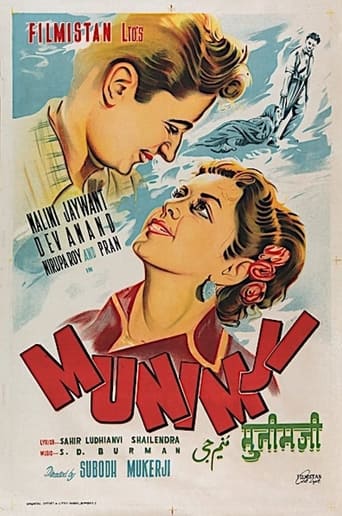
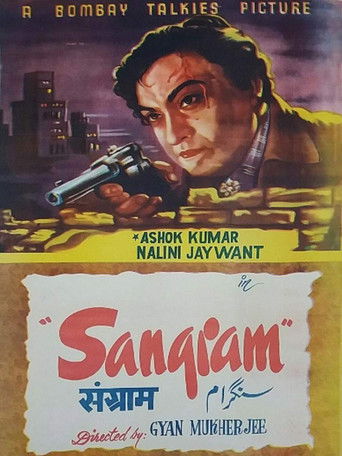
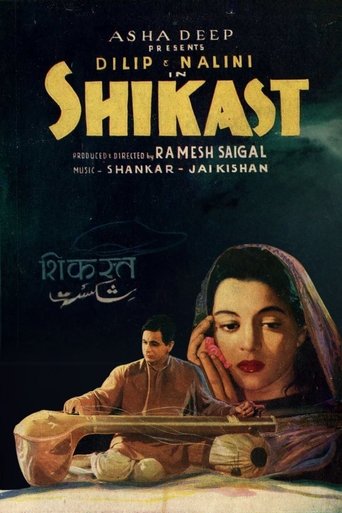
Prominent Indian actress who rose to fame during the golden era of Hindi cinema in the 1940s and 1950s. Born into a family with connections to the film industry, she made her debut as a child artist before transitioning to lead roles. Her breakthrough came with films like 'Anokha Pyar' (1948) opposite Dev Anand, which established her as a serious dramatic actress. Throughout her career, she was known for portraying strong, independent female characters who challenged societal norms. She worked with leading directors of her time and starred alongside major stars like Ashok Kumar, Dev Anand, and Dilip Kumar. Her performances in films like 'Sangram' (1950), 'Shikast' (1953), and 'Munimji' (1955) showcased her versatility and emotional depth. Despite her success, she gradually withdrew from films in the late 1950s, though she continued to appear in occasional roles through the 1960s. Her contribution to Indian cinema remains significant as one of the actresses who helped shape the narrative style of early Bollywood.
The Craft
On Screen
Nalini Jaywant was known for her naturalistic acting style that brought emotional authenticity to her roles. She excelled in both dramatic and romantic performances, often portraying strong-willed, independent women who defied traditional stereotypes. Her screen presence was characterized by expressive eyes and subtle facial expressions that conveyed complex emotions. She had a unique ability to balance vulnerability with strength, making her characters relatable and memorable. Her dialogue delivery was precise and emotionally charged, contributing to the impact of her dramatic scenes.
Milestones
- Debut as child artist in 'Radhika' (1941)
- Breakthrough role in 'Anokha Pyar' (1948)
- Critical acclaim for 'Sangram' (1950)
- Successful pairing with Ashok Kumar in multiple films
- Memorable performance in 'Shikast' (1953)
- Commercial success with 'Munimji' (1955)
- Received Filmfare Award nomination
- Transitioned to character roles in later career
Best Known For
Iconic Roles
Must-See Films
Accolades
Won
- Filmfare Award for Best Actress nomination
Nominated
- Filmfare Award for Best Actress for 'Sangram' (1950)
Special Recognition
- Recognized as one of the actresses of Hindi cinema
- Honored at various film retrospectives celebrating classic Bollywood
Working Relationships
Worked Often With
Studios
Why They Matter
Impact on Culture
Nalini Jaywant played a significant role in shaping the representation of women in early Hindi cinema. Her characters often challenged traditional gender roles and presented a more modern, independent vision of Indian womanhood. She was part of the transition from theatrical acting styles to more naturalistic performances in Bollywood. Her work helped establish the template for strong female protagonists in Indian cinema. Her films often addressed social issues and progressive themes, contributing to the evolution of socially conscious cinema in India.
Lasting Legacy
Nalini Jaywant's legacy endures through her memorable performances that continue to be studied and appreciated by cinema enthusiasts. She is remembered as. Her films are regularly featured in classic cinema retrospectives and film festivals celebrating Bollywood's golden era. She paved the way for future generations of actresses to take on more complex and challenging roles. Her contribution to establishing serious dramatic acting in Hindi cinema remains significant.
Who They Inspired
Nalini Jaywant influenced subsequent generations of Indian actresses through her naturalistic acting style and choice of strong, independent roles. Her approach to character development and emotional authenticity became a reference point for dramatic performances in Hindi cinema. She demonstrated that actresses could carry films on their shoulders and attract audiences based on their talent rather than just glamour. Her success in both commercial and critically acclaimed films showed the viability of serious dramatic cinema in Bollywood.
Off Screen
Nalini Jaywant came from a family with connections to the entertainment industry, which helped her early entry into films. She married Virendra Desai, a film director, which further solidified her position in the industry. Despite her success, she maintained a relatively private personal life away from the glamour of Bollywood. She was known for her dedication to her craft and professional approach to filmmaking. After her retirement from active cinema, she lived a quiet life away from the public eye. Her later years were marked by her preference for privacy and limited public appearances.
Education
Educated in Bombay during the British era; completed schooling before entering films
Family
- Virendra Desai (1940s-1950s)
Did You Know?
- Was related to the famous actress Shobhna Samarth
- Started her career as a child artist in the early 1940s
- Was one of the highest-paid actresses of her time
- Known for her professionalism and punctuality on film sets
- Often performed her own stunts in action sequences
- Had a successful pairing with Ashok Kumar in multiple films
- Was considered a fashion icon of her time
- Spoke multiple languages fluently including Hindi, English, and Marathi
- Was offered roles in South Indian cinema but declined to focus on Bollywood
- Her films were among the first to address women's issues in mainstream Indian cinema
In Their Own Words
Acting is not just performing; it's living the character's life on screen
The camera doesn't lie, so you must be truthful in your emotions
Every role teaches you something new about yourself and the world
Frequently Asked Questions
Who was Nalini Jaywant?
What films is Nalini Jaywant best known for?
When was Nalini Jaywant born and when did she die?
Born February 18, 1926; died December 20, 2010.
What awards did Nalini Jaywant win?
She received a Filmfare Award nomination for Best Actress for her performance in 'Sangram' (1950) and was recognized as one of the actresses of Hindi cinema.
What was Nalini Jaywant's acting style?
She was known for her naturalistic acting style, emotional authenticity, and ability to portray strong, independent women who challenged traditional stereotypes in Indian cinema.
Who did Nalini Jaywant frequently collaborate with?
She frequently collaborated with actors like Ashok Kumar and Dev Anand, and worked with directors including Virendra Desai (her husband) and Abdul Rashid Kardar.
What was Nalini Jaywant's contribution to Indian cinema?
She helped establish naturalistic acting in Bollywood, portrayed progressive female characters, and contributed to the evolution of socially conscious cinema in India during its golden era.