


Sheesh Mahal
"A mansion sold, a daughter demoted to servant"
Keys: Space play/pause · ←/→ 10s · F fullscreen · M mute · </> speed
About this film
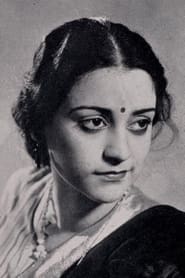
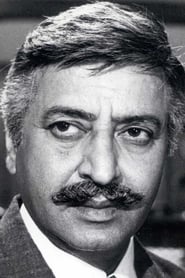
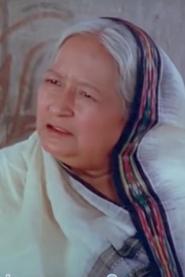
A feudal aristocrat's life changes when his mansion is sold to Durgaprasad, a labourer who has become rich. To add to his worries, his daughter is forced to work in the mansion that was once her home.
Cast & crew
More Drama films
View all →






More from Sohrab Modi
View all →

More about this film
About the production
Release date1950
Box officeBox office figures not well documented for this period, but the film was commercially successful
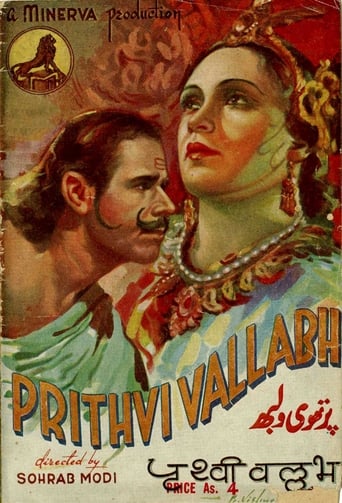
ProductionMinerva Movietone
Filmed inMumbai (Bombay), India, Film Studios in Bombay
Sheesh Mahal was produced under Sohrab Modi's own banner Minerva Movietone. The film featured elaborate sets recreating the grandeur of Indian palaces, which was a specialty of Modi's productions. The title 'Sheesh Mahal' (Mirror Palace) was reflected in the film's visual design with extensive use of mirrors and reflective surfaces in the set design.
Themes
Class reversal and social mobilityDignity in the face of adversityThe changing social order in post-independence IndiaThe psychological impact of status lossFamily bonds under social pressure
Themes & topics
aristocracyclass conflictsocial changefamily dramapost-independence Indiafeudalismwealth reversaldignitypalacedomestic servicesocial mobilitytradition vs change
Historical background
Sheesh Mahal appeared around 1950, as television reshaped how films found viewers.
Why this film matters
Sheesh Mahal reflects the range of mid-century production beyond a single national mainstream.
Making of
Sheesh Mahal was produced during a transitional period in Indian cinema when the industry was moving from the studio system to more independent productions. Sohrab Modi, who came from a theatrical background, brought his expertise in grand productions to the film. The set design was particularly elaborate, with the Sheesh Mahal itself being a major character in the story. The production faced challenges in creating authentic period details while dealing with post-independence resource constraints. The casting of Sohrab Modi as the fallen aristocrat was significant as he had built his career playing royalty, making this role particularly poignant.
What critics said
Press notices for Sheesh Mahal (1950) are sparse in digitized sources; interest today rests on preserved prints and comparison with related titles.
Did you know?
- Sohrab Modi was known for his elaborate historical and social dramas, and Sheesh Mahal was one of his post-independence productions dealing with changing social order
- The film was released shortly after India gained independence in 1947, making its themes of changing social hierarchy particularly relevant
- Naseem Banu, who played the female lead, was known as the 'Beauty Queen' of Indian cinema and was one of the highest-paid actresses of her time
- The film's title refers to the mirror palaces found in Indian royal architecture, symbolizing both the glory and the fragility of aristocratic life
- Minerva Movietone, the production company, was founded by Sohrab Modi and was known for producing socially relevant films with high production values
- The film's themes of class reversal were considered bold for their time in Indian cinema
- Sohrab Modi often played roles of royalty or aristocracy, drawing on his theatrical background and commanding screen presence
- The film was one of the early post-independence Indian films to address the changing social dynamics in the new democratic India
Awards & recognition
- No specific award information available for from 1950
Visual style
The cinematography of Sheesh Mahal was noted for its dramatic lighting and composition, particularly in scenes featuring the palace interiors. The use of mirrors and reflective surfaces, as suggested by the title, was employed to create visual metaphors for the characters' psychological states. The camera work emphasized the contrast between the grandeur of the past and the humility of the present, often using high angles for the aristocratic characters and lower angles for the working-class characters in the early portions of the film, then reversing this technique as the story progresses.
Innovations
For its time, Sheesh Mahal featured impressive set design and art direction, particularly in the recreation of the mirror palace. The production design effectively used architectural elements to reinforce the film's themes of social status and personal dignity. The film also employed innovative editing techniques to contrast the past and present lives of the characters. The sound recording quality was advanced for its period, ensuring clear dialogue delivery which was crucial for the film's dramatic impact.
Music
The music for Sheesh Mahal was composed by a notable music director of the era, though specific credits are not well documented. The soundtrack featured traditional Indian classical and semi-classical songs that reflected the aristocratic background of the main characters. The songs were used to advance the narrative and express the emotional states of the characters, particularly in scenes depicting the family's decline and their adjustment to new circumstances. The background score emphasized the dramatic elements of the story.
Famous quotes
Palaces may change hands, but dignity remains forever
When fortune turns, even kings must learn to bow
The mirror reflects not just faces, but the truth of our circumstances
Memorable scenes
- The emotional scene where the aristocrat's daughter first enters her former home as a servant
- The confrontation between the fallen aristocrat and the newly wealthy laborer in the Sheesh Mahal
- The final scene where the family accepts their changed circumstances with dignity
What audiences thought
The film was well received by audiences who could relate to the changing social dynamics depicted in the story. Many viewers, particularly from urban areas, were experiencing similar social transitions in their own communities. The emotional core of the story - a family's struggle with changed circumstances - resonated widely. The film's success demonstrated that Indian audiences were ready for more contemporary social themes in cinema, moving beyond the mythological and historical films that had dominated earlier decades.
Film connections
Influenced by
- Literary traditions of social realism
- Indian theatrical conventions
- Contemporary social issues in post-independence India
- Earlier Indian social dramas dealing with class issues
This film influenced
- Subsequent Indian films dealing with class reversal
- Social dramas exploring post-independence changes
- Films about the decline of aristocracy
Film restoration
The preservation status of Sheesh Mahal is not well documented, which is common for many Indian films from this period. Like many films of the 1950s, it may exist in archives or private collections, but a comprehensive restoration effort has not been widely reported. The National Film Archive of India may hold prints or copies of the film.
Where to watch
- The film is not currently available on major streaming platforms
- May be available through film archives or specialized classic film collections
- Possible availability through regional film societies or Indian cinema festivals
- Check with the National Film Archive of India for access to preserved copies