
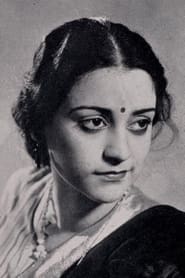
Naseem Banu
Actor
Born: July 4, 1916 in Delhi, British India Died: June 18, 2001 Active: 1939-1950 Birth Name: Naseem Bano Begum
Films
2 films

About Naseem Banu
Naseem Banu, often hailed as the 'first lady of Indian cinema,' was a actress who dominated the Indian film industry during the 1930s and 1940s. Born into a family of royal descent, she began her film career with Pukar (1939), a historical drama that established her as a leading lady of exceptional talent and beauty. Her performance in Pukar opposite Prithviraj Kapoor was, as she portrayed a courtesan with remarkable depth and grace. Throughout her career, she became known for her regal presence and sophisticated acting style, often playing aristocratic or royal characters that matched her real-life background. She continued her success with films like Sheesh Mahal (1950), cementing her status as respected actresses of her generation. Despite her relatively short career span, Naseem Banu's impact on Indian cinema was profound, as she helped establish the archetype of the elegant, refined heroine in Bollywood. Her career coincided with the transition from early talkies to more sophisticated cinematic storytelling, and she adapted seamlessly to these changes while maintaining her signature style.
The Craft
On Screen
Naseem Banu was renowned for her graceful and dignified acting style, characterized by subtle facial expressions and elegant body language. She brought a sense of royalty and sophistication to every role, often portraying noblewomen, queens, and aristocratic characters with authenticity. Her performances were marked by restraint rather than melodrama, setting her apart from many contemporaries. She possessed a unique ability to convey complex emotions through minimal gestures and her expressive eyes, making her particularly effective in historical and romantic dramas.
Milestones
- Breakthrough role in Pukar (1939)
- First Indian actress to charge Rs. 1 lakh per film
- Starred in the historical epic Humayun (1945)
- Received critical acclaim for Sheesh Mahal (1950)
- Known as the 'Beauty Queen' of Indian cinema
Best Known For
Iconic Roles
Must-See Films
Accolades
Won
- No formal awards during her active period (awards system not established in early Indian cinema)
Nominated
- No formal nominations during her era
Special Recognition
- Recognized as the 'First Lady of Indian Cinema'
- Honored in retrospectives of Indian film history
- Featured in documentaries about early Indian cinema pioneers
Working Relationships
Worked Often With
Studios
Why They Matter
Impact on Culture
Naseem Banu played a crucial role in shaping the image of the ideal Indian heroine during the formative years of Bollywood. Her portrayal of dignified, educated, and refined women helped establish new standards for female characters in Indian cinema, moving away from the stereotypical portrayals common in earlier films. She broke social barriers by coming from a respectable family background and choosing cinema as a career, paving the way for other women from good families to enter the film industry. Her success demonstrated that Indian cinema could accommodate sophisticated, cultured female leads, influencing the types of stories and characters that would become mainstream in Bollywood.
Lasting Legacy
Naseem Banu's legacy extends beyond her film performances to her role as a pioneer who elevated the status of actresses in Indian society. She is remembered as one of the first true style icons of Indian cinema, whose elegance and grace set standards that influenced generations of actresses. Her decision to retire at the height of her career to focus on family demonstrated that actresses could balance professional success with traditional values. Most significantly, she created a cinematic dynasty through her daughter Saira Banu, ensuring that her influence would continue through subsequent decades of Indian cinema.
Who They Inspired
Naseem Banu influenced numerous actresses who followed, particularly in how they approached roles requiring royal or aristocratic characters. Her subtle acting style, emphasizing grace and restraint over melodrama, became a template for actresses in historical and romantic films. She demonstrated that beauty could be combined with substance, encouraging actresses to develop their craft rather than rely solely on appearance. Her success helped change public perception of actresses as respectable professionals, contributing to the social acceptance of cinema as a legitimate career choice for women from educated families.
Off Screen
Naseem Banu came from a family with royal connections - her mother was a court singer in the princely state of Bikaner. She married director-actor Ehsan-ul-Haq in 1934, though the marriage ended in divorce. Later, she married the prominent filmmaker M. Sadiq, with whom she had two children. Her daughter, Saira Banu, would go on to become one of Bollywood's most celebrated actresses, creating a rare mother-daughter legacy in Indian cinema. Despite her royal background, Naseem Banu embraced cinema wholeheartedly and helped legitimize acting as a respectable profession for women from good families.
Education
Educated at Aligarh Muslim University, received traditional education including classical music and dance training
Family
- Ehsan-ul-Haq (1934-1940s)
- M. Sadiq (1940s-2001)
Did You Know?
- She was the first Indian actress to charge Rs. 1 lakh per film, a record fee in the 1940s
- Her mother, Shamshad Begum, was a court singer in Bikaner
- She was discovered by director Sohrab Modi while attending a film premiere
- Naseem Banu was fluent in Urdu, Hindi, and English
- She initially wanted to become a doctor before entering films
- Her daughter Saira Banu became one of Bollywood's most successful actresses
- She was known as the 'Beauty Queen' of Indian cinema in her era
- Naseem Banu retired from films at the peak of her career in 1950
- She was one of the few actresses of her time who came from an educated, upper-class family
- She maintained her royal demeanor both on and off screen throughout her life
In Their Own Words
Cinema is not just entertainment; it's a medium that can shape society's values and perceptions
An actress must bring dignity to her profession, for she represents not just herself but all women in cinema
True beauty lies in grace and character, not just in appearance
I chose quality over quantity in my career - each role had to be meaningful
Frequently Asked Questions
Who was Naseem Banu?
Indian actress of the 1930s and 1940s, often called the 'first lady of Indian cinema.' She was known for her regal presence, elegant acting style, and roles in historical films like Pukar (1939) and Sheesh Mahal (1950). Coming from a royal background, she helped elevate the status of actresses in Indian society and set new standards for female leads in Bollywood.
When was Naseem Banu born and when did she die?
Born July 4, 1916; died June 18, 2001.
What awards did Naseem Banu win?
During Naseem Banu's active period (1939-1950), the formal award system for Indian cinema was not yet established. However, she received significant recognition including being known as the 'First Lady of Indian Cinema' and was honored in retrospectives of Indian film history. She was also the first Indian actress to command a fee of Rs. 1 lakh per film.
What was Naseem Banu's acting style?
Naseem Banu was known for her graceful and dignified acting style characterized by subtlety and elegance. She specialized in portraying royal and aristocratic characters with authenticity, using minimal gestures and expressive eyes to convey emotions. Her approach was refined and restrained, avoiding melodrama in favor of sophisticated, nuanced performances.
Was Naseem Banu related to any other famous actors?
Yes, Naseem Banu was the mother of Saira Banu, one of Bollywood's most celebrated actresses who starred in numerous hit films during the 1960s and 1970s. This created a rare mother-daughter legacy in Indian cinema, with both women achieving significant success in their respective eras.
Why did Naseem Banu retire from films?
Naseem Banu retired from films in 1950 at the height of her career to focus on her family life. She made the conscious decision to prioritize her role as a wife and mother, particularly to guide her daughter Saira Banu's career. Her retirement was seen as a statement that actresses could balance professional success with traditional family values.