

Sohrab Modi
Actor & Director
Born: November 2, 1897 in Bombay, British India (now Mumbai, India) Died: January 22, 1984 Active: 1935-1984
Films
6 films


About Sohrab Modi
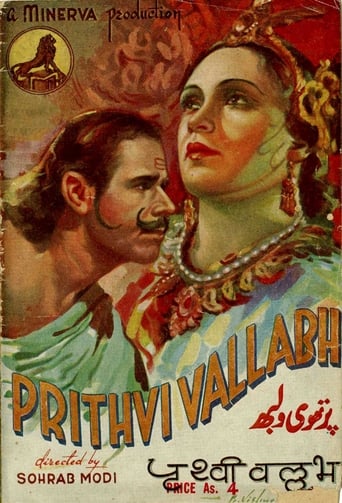
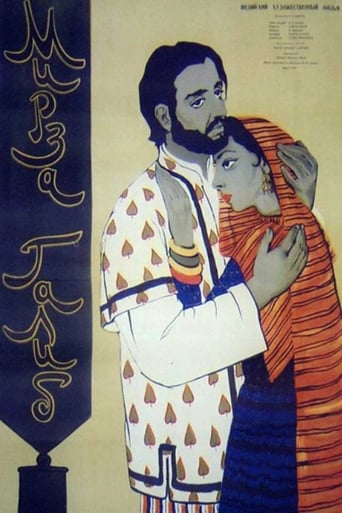
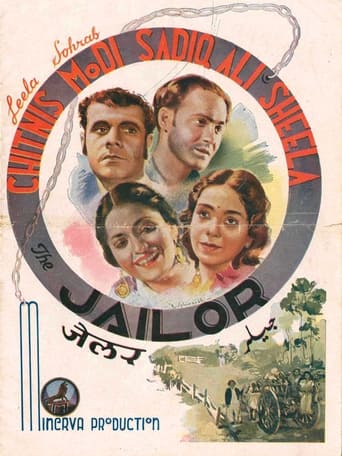
Sohrab Modi (1897-1984) was an Indian film actor, director, and producer who revolutionized historical cinema in India during the golden era of Bollywood. Born into a Parsi family in Bombay, Modi began his career in theatre before transitioning to films, founding Minerva Movietone in 1936, which became synonymous with grand historical epics. His theatrical background influenced his distinctive acting style, characterized by powerful dialogue delivery and commanding screen presence. Modi gained national acclaim for his trilogy of historical masterpieces - 'Pukar' (1939), 'Sikandar' (1941), and 'Prithvi Vallabh' (1943) - which showcased his vision for bringing Indian history to life with unprecedented grandeur. His films were notable for their meticulous attention to historical detail, elaborate sets, and sophisticated storytelling techniques that elevated Indian cinema to new artistic heights. Beyond his directorial achievements, Modi — charismatic performer who often portrayed complex historical figures with remarkable depth and authenticity. His nearly five decades, during which he produced over 60 films and established himself as one of Indian cinema's most respected and influential figures, leaving an indelible mark on the industry's development.
The Craft
On Screen
Modi's acting style was heavily influenced by his theatrical background, characterized by powerful, declamatory dialogue delivery and commanding stage presence. He employed a grand, dramatic approach that perfectly suited historical roles, using his deep baritone voice and imposing physique to bring legendary figures to life. His performances were marked by intense emotional expression and a certain theatrical gravitas that made him particularly effective in portraying kings, emperors, and historical leaders.
Behind the Camera
As a director, Modi was known for his meticulous attention to historical accuracy and his ability to create epic narratives with grand visual spectacle. He pioneered the use of elaborate sets, detailed costumes, and large-scale battle sequences in Indian cinema. His directing approach combined theatrical drama with cinematic techniques, often focusing on themes of patriotism, valor, and historical significance. Modi was particularly skilled at creating atmospheric scenes that captured the essence of different historical periods.
Milestones
- Founded Minerva Movietone production company in 1936
- Directed and starred in the historical trilogy 'Pukar' (1939), 'Sikandar' (1941), and 'Prithvi Vallabh' (1943)
- Pioneered large-scale historical epics in Indian cinema
- Won the Dadasaheb Phalke Award in 1978, India's highest award in cinema
- Received Padma Shri from the Government of India in 1966
- His film 'Jhansi Ki Rani' (1953) was India's first technicolor film
Best Known For
Iconic Roles
Must-See Films
Accolades
Won
- Dadasaheb Phalke Award (1978)
- Padma Shri (1966)
- Filmfare Best Director Award for 'Jhansi Ki Rani' (1953)
- Bengal Film Journalists' Association Awards for multiple films
Nominated
- Multiple Filmfare Award nominations throughout the 1950s and 1960s
- Nominated for various national and international film festival awards
Special Recognition
- Dadasaheb Phalke Award - India's highest award in cinema
- Padma Shri - India's fourth-highest civilian award
- Recognized as a pioneer of Indian historical cinema
- Multiple retrospective film festivals dedicated to his work
- Featured in various documentaries about Indian cinema history
Working Relationships
Worked Often With
Studios
Why They Matter
Impact on Culture
Sohrab Modi revolutionized Indian cinema by establishing the historical epic as a legitimate and commercially viable genre. His films played a crucial role in shaping national consciousness during India's struggle for independence, often incorporating themes of patriotism and valor that resonated with audiences. Modi's meticulous approach to historical storytelling set new standards for production values in Indian cinema, inspiring generations of filmmakers to pursue grander visions. His work helped preserve and popularize Indian history and mythology for mass audiences, contributing to cultural education and national identity formation. The success of his films demonstrated that Indian audiences had an appetite for sophisticated, historically grounded narratives, paving the way for future historical and mythological productions.
Lasting Legacy
Sohrab Modi's legacy endures as one of Indian cinema's foundational figures who elevated the art form to new heights of artistic and technical achievement. His work in historical cinema established a template that continues to influence contemporary Indian filmmakers. The Minerva Movietone studio he founded became an institution that nurtured talent and produced quality cinema for decades. Modi's films remain classics that are studied and admired for their artistic merit, historical significance, and technical innovation. His contribution to Indian cinema was formally recognized with the Dadasaheb Phalke Award, cementing his status as a true visionary of Indian film history. The grandeur and dignity he brought to his productions continue to inspire filmmakers seeking to create meaningful, culturally significant cinema.
Who They Inspired
Modi's influence extends across multiple generations of Indian filmmakers, particularly those working in historical and epic genres. Directors like K. Asif, who made 'Mughal-e-Azam', were clearly influenced by Modi's approach to historical storytelling. His emphasis on production quality, historical accuracy, and dramatic storytelling became benchmarks for the industry. Contemporary filmmakers such as Sanjay Leela Bhansali and Ashutosh Gowariker, who create historical epics, owe a debt to Modi's vision. His success proved that Indian cinema could compete with international productions in terms of scale and quality, inspiring future generations to dream bigger and aim higher in their artistic pursuits.
Off Screen
Sohrab Modi married actress Mehtab in 1946, who frequently starred in his films and became one of his most successful leading ladies. Their professional collaboration was highly successful, with Mehtab delivering memorable performances in films like 'Jhansi Ki Rani' and 'Sheesh Mahal'. Modi was known for his disciplined lifestyle and dedication to his craft, often working long hours to perfect his productions. Despite his success, he maintained a relatively private personal life, focusing primarily on his work and the advancement of Indian cinema.
Education
Modi received his early education in Bombay and was exposed to both Western and traditional Indian culture from a young age. His formal education was supplemented by extensive training in theatre and dramatic arts, which laid the foundation for his future career in films.
Family
- Mehtab (1946-1984)
Did You Know?
- His film 'Jhansi Ki Rani' (1953) was India's first technicolor film, shot in London
- Modi — Parsi, a community that made significant contributions to Indian theatre and early cinema
- He started his career in silent films before successfully transitioning to talkies
- His production company Minerva Movietone was named after the Roman goddess of wisdom
- Modi was known for personally supervising every aspect of his films, from script to final editing
- He often played historical figures who were significantly older than his actual age
- His film 'Sikandar' was banned in some princely states due to its political undertones
- Modi was fluent in multiple languages, which helped him work with diverse talent
- He was one of the first Indian filmmakers to understand the importance of marketing and promotion
- Despite his success, Modi remained humble and was known for his generosity towards struggling artists
In Their Own Words
Cinema is not just entertainment; it is a medium that can educate and inspire a nation.
History comes alive when we tell its stories with honesty and passion.
Every frame of a film should be a painting, every word of dialogue should be poetry.
The camera is a powerful tool; it can capture the soul of a character or the spirit of an era.
In making historical films, we are not just recreating the past; we are learning from it.
Frequently Asked Questions
Who was Sohrab Modi?
Indian film actor, on YTB.my. He founded Minerva Movietone and created epic historical films like 'Sikandar,' 'Pukar,' and 'Prithvi Vallabh' that set new standards for Indian cinema.
When was Sohrab Modi born and when did he die?
Born November 2, 1897; died January 22, 1984.
What awards did Sohrab Modi win?
Modi received several prestigious awards including the Dadasaheb Phalke Award in 1978 (India's highest honor in cinema), the Padma Shri in 1966, and multiple Filmfare and BFJA Awards. These honors recognized his immense contribution to Indian cinema as a director, actor, and producer.
What was Sohrab Modi's directing style?
Modi's directing style was characterized by grand visual spectacle, meticulous attention to historical detail, and theatrical drama. He pioneered large-scale historical productions with elaborate sets, detailed costumes, and epic battle sequences, while maintaining strong narrative focus on themes of valor and patriotism.
How did Sohrab Modi influence Indian cinema?
Modi established the historical epic as a major genre in Indian cinema, setting new standards for production values and artistic ambition. His success proved that Indian films could achieve international technical quality, inspiring future generations of filmmakers to pursue grander visions and culturally significant stories.
What was special about 'Jhansi Ki Rani'?
'Jhansi Ki Rani' (1953) was historically significant as India's first technicolor film, shot in London. It showcased Modi's ambition to elevate Indian cinema to international technical standards while telling an important story from India's independence struggle, featuring his wife Mehtab in the title role.