
Nigar Sultana
Actor
Born: June 21, 1932 in Aligarh, Uttar Pradesh, British India Died: April 21, 2000 Active: 1946-1965
Films
2 films

About Nigar Sultana
Nigar Sultana was beautiful and talented actresses of early Hindi cinema, born in 1932 in Aligarh, Uttar Pradesh. She began her film career in the mid-1940s and quickly rose to prominence with her striking beauty and natural acting ability. Her breakthrough came with the epic historical drama 'Sheesh Mahal' (1950), which established her as a leading lady in the industry. She achieved her greatest success with 'Aan' (1952), India's first technicolor film, which brought her international recognition. Her performance as Moti Begum in the critically acclaimed 'Mirza Ghalib' (1954) opposite Bharat Bhushan showcased her dramatic range and remains one of her most celebrated roles. Throughout the 1950s, she continued to deliver memorable performances in films like 'Anarkali' (1953) and 'Shabistan' (1951). She married actor-screenwriter S. Ali Raza in 1959 and gradually reduced her film appearances in the 1960s. Nigar Sultana passed away on April 21, 2000, leaving behind a legacy as graceful actresses of the golden era of Hindi cinema.
The Craft
On Screen
Nigar Sultana was known for her graceful and naturalistic acting style, characterized by subtle expressions and emotional depth. She possessed a unique ability to convey complex emotions through her eyes and facial expressions, making her particularly effective in romantic and dramatic roles. Her screen presence was elegant and sophisticated, often described as poetic and ethereal. She brought a refined dignity to her characters, whether playing historical figures or contemporary women, and her dialogue delivery was marked by its clarity and emotional resonance.
Milestones
- Debut in 'Rangbhoomi' (1946)
- Breakthrough role in 'Sheesh Mahal' (1950)
- Starred in India's first technicolor film 'Aan' (1952)
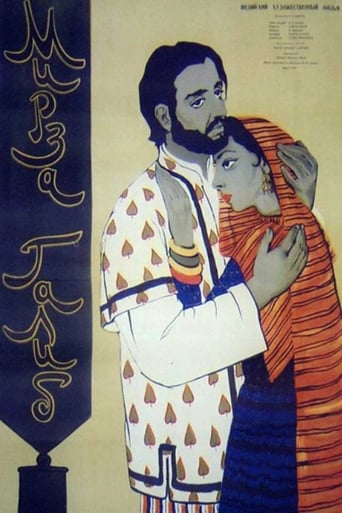
- Acclaimed performance in 'Mirza Ghalib' (1954)
- Marriage to actor-screenwriter S. Ali Raza (1959)
Best Known For
Iconic Roles
Must-See Films
Accolades
Special Recognition
- Recognized as
- Featured in retrospectives of golden age Hindi cinema
Working Relationships
Worked Often With
Studios
Why They Matter
Impact on Culture
Nigar Sultana made significant contributions to Indian cinema during its golden era, helping establish standards of beauty and performance that influenced generations of actresses. Her role in 'Aan' (1952), India's first technicolor film, was instrumental in showcasing Indian cinema's technical capabilities to international audiences. She represented an ideal of feminine grace and elegance that resonated with audiences across the Indian subcontinent. Her performances in historical and literary adaptations, particularly 'Mirza Ghalib,' helped popularize classical Indian literature and history among mainstream cinema audiences. She was part of the transition from the theatrical acting style of early Indian cinema to more naturalistic performances that became standard in later decades.
Lasting Legacy
Nigar Sultana's legacy endures through her memorable performances in some of Hindi cinema's most celebrated films of the 1950s. She is remembered as. Her films continue to be featured in classic cinema retrospectives and film festivals, introducing new generations to her work. She paved the way for future actresses by demonstrating that beauty combined with genuine acting talent could create lasting cinematic impact. Her marriage to S. Ali Raza created one of Hindi cinema's most respected creative partnerships, contributing to several landmark films. Today, film historians and classic cinema enthusiasts regard her as an important figure who helped define the aesthetic and artistic standards of golden age Hindi cinema.
Who They Inspired
Nigar Sultana influenced subsequent generations of Indian actresses through her combination of beauty and substance in performances. Her naturalistic acting style helped move Hindi cinema away from the exaggerated theatrical performances common in earlier decades. Many actresses who followed in the 1950s and 1960s, including Madhubala and Meena Kumari, were influenced by her approach to romantic and dramatic roles. Her success in historical films like 'Sheesh Mahal' and 'Anarkali' established a template for period drama performances in Indian cinema. Her work in literary adaptations, particularly 'Mirza Ghalib,' demonstrated how classic literature could be successfully adapted for mainstream cinema, influencing future filmmakers and actors.
Off Screen
Nigar Sultana led a relatively private personal life despite her stardom. She married actor-screenwriter S. Ali Raza in 1959, who was a prominent figure in Hindi cinema known for writing films like 'Mother India' and 'Upkar'. The couple had two children together and maintained a stable family life away from the media spotlight. After her marriage, she gradually reduced her film appearances to focus on her family. She was known for her humility and dedication to her craft, never seeking publicity or creating controversies. Her later years were spent peacefully in Mumbai, where she remained connected to the film industry through her husband's work.
Education
Limited information available about her formal education, though she was known to be well-educated and fluent in both Urdu and English
Family
- S. Ali Raza (1959-2000)
Did You Know?
- Was discovered by legendary director K. Asif while still a teenager
- 'Aan' (1952) was India's first technicolor film and became an international success
- Her beauty was often compared to that of legendary actress Madhubala
- She was offered roles in international films but declined to focus on Indian cinema
- Her marriage to S. Ali Raza was
- She was fluent in Urdu, Hindi, and English, which helped her in diverse roles
- Despite her beauty, she was known for being down-to-earth and professional on sets
- She often performed her own stunts in action sequences during filming
- Her costumes in historical films became fashion trends among Indian women
- She was one of the few actresses of her time to successfully transition from black and white to color cinema
In Their Own Words
Acting is not just about looking beautiful on screen, it's about making the audience feel what your character feels
I believe in letting my work speak for itself rather than seeking publicity
The golden era of Hindi cinema was special because we had stories that touched the heart, not just entertained the eyes
Frequently Asked Questions
Who was Nigar Sultana?
Prominent Indian actress who worked in Hindi cinema during the 1940s and 1950s, known for her beauty and performances in films like 'Aan' and 'Mirza Ghalib'. She was one of the leading actresses of the golden era of Indian cinema and was particularly celebrated for her roles in historical and romantic dramas.
What films is Nigar Sultana best known for?
Titles linked here include Aan (1952), Mirza Ghalib (1954).
When was Nigar Sultana born and when did she die?
Born June 21, 1932; died April 21, 2000.
What awards did Nigar Sultana win?
While formal award ceremonies were limited during her active period, Nigar Sultana received significant recognition for her performances, particularly for 'Mirza Ghalib' and 'Aan'. She was widely celebrated as.
What was Nigar Sultana's acting style?
Nigar Sultana was known for her graceful and naturalistic acting style, characterized by subtle expressions and emotional depth. She brought elegance and sophistication to her roles, with a particular talent for conveying complex emotions through her eyes and facial expressions, making her especially effective in romantic and dramatic roles.