Films
2 films
About Hemavathi
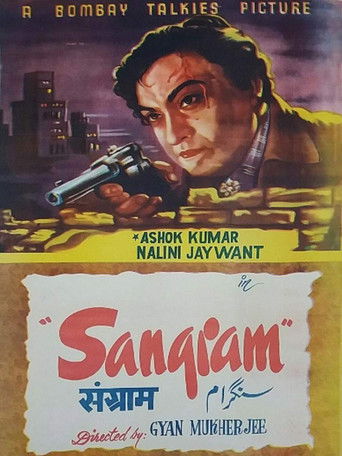
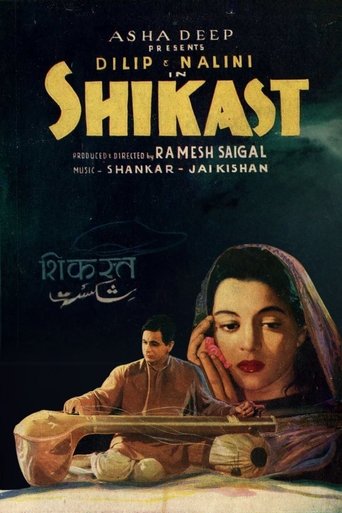
Hemavathi is credited on a single production — Sangram (1950). She made her mark in the post-independence era of Indian cinema, a time when the film industry was undergoing significant transformation and establishing new artistic directions. Her career, though relatively short, coincided with what many consider a golden period for Indian filmmaking, when social themes and romantic narratives were gaining prominence. Hemavathi appeared in supporting and leading roles, demonstrating versatility in her performances across different genres. Her work in films like 'Sangram' (1950) and 'Shikast' (1953) showcased her ability to portray complex emotional characters typical of the era's melodramatic style. Despite her limited filmography, she contributed to the evolving landscape of Indian cinema during a crucial transitional period. Her performances reflected the acting techniques popular in early Indian talkies, emphasizing dramatic expression and emotional depth that resonated with contemporary audiences.
The Craft
On Screen
Hemavathi's acting style was characteristic of early Indian cinema, featuring dramatic expressions and emotional intensity typical of the melodramatic tradition prevalent in 1950s Hindi films. Her performances emphasized facial expressions and body language to convey complex emotions, following the theatrical influences that shaped early Indian talkies. She demonstrated the ability to portray both vulnerable and strong female characters, adapting to the narrative demands of social and romantic themes common in post-independence Indian cinema.
Best Known For
Iconic Roles
Must-See Films
Working Relationships
Worked Often With
Studios
Why They Matter
Impact on Culture
Hemavathi contributed to the Indian cinema during its formative years, participating in films that reflected the social and cultural changes occurring in newly independent India. Her work in the early 1950s helped establish the archetypes and storytelling techniques that would influence subsequent generations of Indian filmmakers. As part of the ensemble casts of her films, she contributed to the collaborative nature of Indian cinema production, where each actor's performance contributed to the overall narrative and emotional impact. Her appearances in films dealing with social themes and romantic relationships reflected the evolving concerns and aspirations of Indian society during a period of significant transition.
Lasting Legacy
Though her career was brief, Hemavathi remains part of the historical record of Indian cinema's golden era, representing the numerous talented actors who contributed to the industry's development despite not achieving lasting fame. Her performances in 'Sangram' and 'Shikast' serve as examples of the acting styles and narrative approaches that defined early Hindi cinema. Film historians and classic cinema enthusiasts recognize her as part of the generation of performers who helped establish the foundations of modern Indian filmmaking.
Who They Inspired
While specific documentation of Hemavathi's influence on other actors is limited, her work contributed to the collective body of performances that shaped the acting traditions in Indian cinema. The techniques and approaches demonstrated in her films were part of the broader evolution of acting styles in Indian cinema, influencing how subsequent generations of performers approached character development and emotional expression.
Off Screen
Very limited information is available about Hemavathi's personal life, which was common for many character actors and supporting actresses of early Indian cinema who maintained privacy despite their on-screen presence.
Did You Know?
- Her film active years covered only three years, from 1950 to 1953
- She appeared in films during the early years of independent India
- Both of her known films were released in the first half of the 1950s
- Her work coincided with what many consider the golden age of Hindi cinema
- Like many actresses of her era, detailed biographical information remains scarce
- Her filmography represents the typical career trajectory of many supporting actresses in early Indian cinema
- The films she appeared in dealt with themes relevant to post-independence Indian society
Frequently Asked Questions
Who was Hemavathi?
When was Hemavathi born and when did she die?
Specific birth and death dates for Hemavathi are not documented in available historical records, which is common for many supporting actors from early Indian cinema. She was active as an actress from 1950 to 1953.
What awards did Hemavathi win?
There are no documented awards or nominations for Hemavathi in available historical records, which was not uncommon for many character actors and supporting actresses of her era.
What was Hemavathi's acting style?
Hemavathi's acting style was typical of early Indian cinema, featuring dramatic expressions and emotional intensity characteristic of the melodramatic tradition in 1950s Hindi films. She employed theatrical techniques with emphasis on facial expressions and body language to convey emotions.