
Shashi Kapoor
Actor
Born: March 18, 1938 in Calcutta, Bengal Presidency, British India Died: December 4, 2017 Active: 1941-2015 Birth Name: Balbir Prithviraj Kapoor
Films
2 films
About Shashi Kapoor
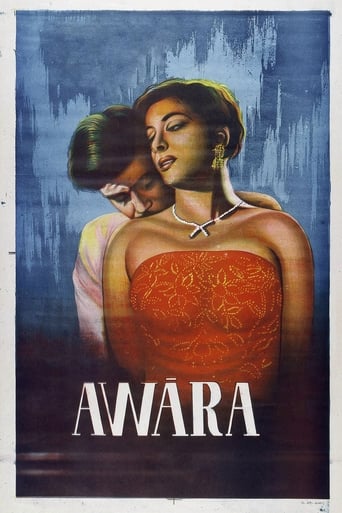
Shashi Kapoor, born Balbir Prithviraj Kapoor, was an Indian actor and film producer who emerged from the prestigious Kapoor family of Hindi cinema. He began his career as a child actor in the early 1940s, appearing in several films including the 'Awaara' (1951) where he played the young version of Raj Kapoor's character. After working as an assistant director and appearing in small roles, he made his debut as a leading man with 'Dharmputra' (1961). Throughout the 1960s, 1970s, and 1980s, he became one of India's most popular and versatile actors, known for his work in both commercial Hindi cinema and international art films. He also produced several critically acclaimed films through his production company Film-Valas. His over six decades, during which he appeared in more than 150 films, establishing himself as a cultural icon who bridged mainstream and parallel cinema in India.
The Craft
On Screen
Shashi Kapoor was known for his naturalistic acting style, sophisticated demeanor, and ability to portray both romantic and serious roles with equal finesse. Unlike the more theatrical style prevalent in earlier Indian cinema, he brought a subtle, understated approach to his performances. His fluency in English and urbane persona made him particularly effective in cross-cultural productions, while his classical training allowed him to excel in both commercial masala films and arthouse cinema.
Best Known For
Iconic Roles
Must-See Films
Accolades
Won
- National Film Award for Best Actor for 'New Delhi Times' (1986)
- National Film Award for Best Feature Film for 'Junoon' as producer (1979)
- Filmfare Award for Best Supporting Actor for 'Kalyug' (1981)
- Filmfare Lifetime Achievement Award (2010)
- Padma Bhushan (2011)
- Dadasaheb Phalke Award (2015)
Nominated
- Filmfare Award for Best Actor multiple nominations (1960s-1980s)
- Filmfare Award for Best Supporting Actor multiple nominations
Special Recognition
- Hollywood Walk of Fame star (unveiled posthumously in 2023)
- International Film Festival of India Lifetime Achievement (2008)
- Osian's Cinefan Lifetime Achievement Award (2009)
Working Relationships
Worked Often With
Studios
Why They Matter
Impact on Culture
Shashi Kapoor played a crucial role in bridging Indian cinema with international audiences, particularly through his collaborations with Merchant Ivory Productions. He helped legitimize Indian actors in global cinema at a time when very few Indian performers had international recognition. His work in both commercial and art cinema demonstrated that actors could successfully straddle different genres and markets. He was instrumental in bringing a more natural, realistic acting style to mainstream Hindi cinema, moving away from the theatrical traditions of earlier decades.
Lasting Legacy
Shashi Kapoor's legacy encompasses his contributions as an actor who worked across multiple film industries and genres, his role as a producer who supported meaningful cinema, and his dedication to preserving theatre arts through Prithvi Theatre. He is remembered as. His international collaborations opened doors for future Indian actors in global cinema, and his production company Film-Valas supported several important films that might otherwise not have been made.
Who They Inspired
Shashi Kapoor influenced generations of Indian actors with his naturalistic acting style and his ability to balance commercial success with artistic integrity. His success in international films inspired many Indian actors to seek opportunities beyond Bollywood. His approach to character development and his subtle, understated performances became a model for actors seeking to move beyond melodramatic acting styles. His dedication to theatre through Prithvi Theatre has influenced many young theatre artists in India.
Off Screen
Shashi Kapoor was born into the illustrious Kapoor family, with his father Prithviraj Kapoor being a figure in Indian theatre and cinema. He married British actress Jennifer Kendal in 1958, whom he met while working with her theatre group. Their marriage lasted until Jennifer's death from cancer in 1984. They had three children: Kunal Kapoor, Karan Kapoor, and Sanjana Kapoor, all of whom briefly worked in the film industry. After Jennifer's death, Shashi Kapoor's health gradually declined, though he continued to work selectively. He was known for his modest lifestyle despite his stardom and was deeply involved in preserving his wife's legacy through the Prithvi Theatre.
Education
Attended Don Bosco High School, Matunga, Mumbai; Received informal training in theatre from father Prithviraj Kapoor's Prithvi Theatre
Family
- Jennifer Kendal (1958-1984)
Did You Know?
- Was the youngest member of the Kapoor family to enter films
- Spoke fluent Hindi, English, Punjabi, and Urdu
- Was offered the role in 'Lawrence of Arabia' that went to Omar Sharif
- His wife Jennifer Kendal appeared with him in several films including 'Junoon'
- Founded Film-Valas to produce quality cinema
- Was the first Indian actor to work extensively in international productions
- His grandfather Dewan Basheshwarnath Kapoor also appeared in 'Awaara'
- Owned the iconic Prithvi Theatre in Mumbai
- Was a trained classical dancer in his youth
- Refused many Hollywood roles to focus on Indian cinema
- Was known for his humility and down-to-earth nature despite stardom
In Their Own Words
I believe in doing good work, whether it's commercial or art cinema. What matters is the quality of the film.
Acting is not about becoming someone else, it's about finding yourself in different situations.
Cinema should entertain, but it should also make people think.
My father taught me that theatre and cinema are not just entertainment, they are art forms that can change society.
I never planned my career. I just took up roles that I found challenging and interesting.
Frequently Asked Questions
Who was Shashi Kapoor?
Screen credits include over 150 films spanning six decades. Born into the prestigious Kapoor family, he was known for his work in both commercial Hindi cinema and international art films, particularly his collaborations with Merchant Ivory Productions.
What films is Shashi Kapoor best known for?
Titles linked here include Awaara (1951), The Householder (1963).
When was Shashi Kapoor born and when did he die?
Born March 18, 1938; died December 4, 2017.
What awards did Shashi Kapoor win?
Shashi Kapoor won numerous awards including the National Film Award for Best Actor, the Dadasaheb Phalke Award (India's highest award in cinema), the Padma Bhushan (India's third-highest civilian award), and several Filmfare Awards including the Lifetime Achievement Award.
What was Shashi Kapoor's acting style?
Shashi Kapoor was known for his naturalistic and understated acting style, which was a departure from the theatrical traditions prevalent in earlier Indian cinema. He brought sophistication and subtlety to his performances, excelling in both romantic and serious roles with equal finesse.