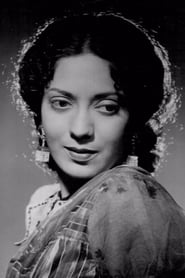
Leela Chitnis
Actor
Born: September 9, 1909 in Dharwar, Bombay Presidency, British India (now Karnataka, India) Died: July 14, 2003 Active: 1935-1969 (Indian cinema), 1980s (brief US television appearances) Birth Name: Leela Chitnis (birth name remained the same)
Films
4 films


About Leela Chitnis
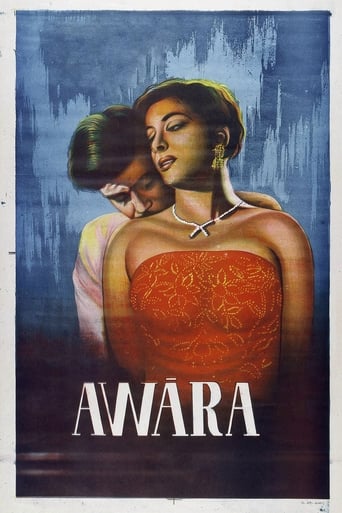
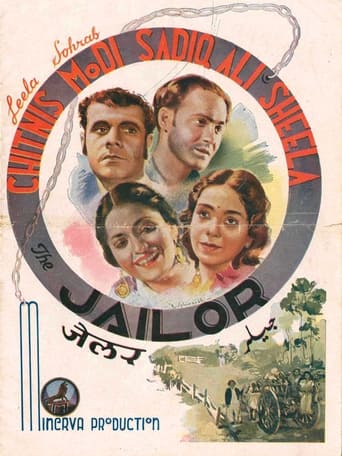
Indian actress who became prominent character actors in Hindi cinema during the Golden Age. Born in 1909 in Maharashtra, she broke social norms by entering the film industry as an educated woman from a respectable family. Her career began in the 1930s with leading roles, where she established herself as a sophisticated actress capable of playing both glamorous and serious characters. As she aged, she successfully transitioned into mother roles, becoming one of cinema's most beloved screen mothers. Her performance as Raj Kapoor's mother in 'Awaara' (1951) became and defined the archetype of the suffering but noble mother in Indian cinema. She continued acting through the 1950s and 1960s, appearing in over 100 films before gradually retiring. Later in life, she moved to the United States where she wrote her autobiography and appeared in a few American television shows, becoming one of the first Indian actresses to work in Western media.
The Craft
On Screen
Leela Chitnis was known for her naturalistic acting style that brought depth and dignity to her roles. As a leading lady, she portrayed sophisticated, modern women with grace and intelligence. In her mother roles, she perfected the art of conveying maternal love, sacrifice, and moral strength through subtle expressions and measured dialogue delivery. Her acting was characterized by emotional authenticity and the ability to make even stereotypical mother roles feel genuine and compelling.
Milestones
- Debut in the 1930s as a leading lady
- Successful transition from heroine to character actor
- Iconic performance as mother in 'Awaara' (1951)
- Memorable role in 'Naya Daur' (1957)
- Became the first Indian actress to endorse Lux soap
- Published autobiography 'The Indian Woman' in 1975
- Appeared in American television series in the 1980s
Best Known For
Iconic Roles
Must-See Films
Accolades
Won
- BFJA Award for Best Actress (1942)
Nominated
- Filmfare Award nominations for various supporting roles
Special Recognition
- Pioneer of Indian cinema recognition
- Honored at various film festivals for her contribution to Indian cinema
Working Relationships
Worked Often With
Studios
Why They Matter
Impact on Culture
Leela Chitnis had a profound impact on Indian cinema by breaking social barriers as an educated woman entering films. She helped legitimize acting as a respectable profession for women from good families. Her portrayal of mothers in films like 'Awaara' created an archetype that influenced generations of Indian cinema and storytelling. She was also a trailblazer in commercial endorsements, becoming the first Indian actress to appear in advertisements for international brands like Lux soap, paving the way for future celebrity endorsements in Indian media.
Lasting Legacy
Leela Chitnis's legacy lies in her role as a bridge between the early sound era and the Golden Age of Hindi cinema. She demonstrated that actresses could have long, evolving careers by successfully transitioning from leading lady to respected character actor. Her dignified portrayal of mother roles set a standard that influenced how maternal characters were written and performed in Indian cinema for decades. Her autobiography provided valuable historical insights into the early film industry, and her later work in American television opened doors for Indian actors in international media.
Who They Inspired
Leela Chitnis influenced generations of Indian actresses by showing that career longevity was possible through adaptability and skill development. Her naturalistic acting style inspired a move away from theatrical performances toward more realistic portrayals. She also influenced how the industry viewed educated women, helping change perceptions about actresses' social standing. Her success in character roles created a sustainable career path for aging actresses in Indian cinema, a model still followed today.
Off Screen
Leela Chitnis came from a progressive Marathi family that supported her education and career choices. She was married at a young age but the marriage ended in divorce, which was unusual for women of her time. She had two sons from her marriage. Later in life, she moved to the United States to be with her sons, where she lived until her death. She was known for her independent spirit and was one of the few actresses of her generation who wrote her own autobiography, sharing insights about the film industry and women's roles in society.
Education
Graduated from University of Bombay, one of the few educated actresses of her time
Family
- Gajanan Y. Kanitkar (1925-1933)
Did You Know?
- She was one of the first educated actresses in Indian cinema with a university degree
- She was the first Indian actress to endorse Lux soap in advertisements
- Her autobiography 'The Indian Woman' was published in 1975
- She appeared in the American TV series 'The Bold and the Beautiful' in the 1980s
- She worked in over 100 films during her career
- She was fluent in Marathi, Hindi, and English
- She was originally cast as a leading lady but successfully transitioned to mother roles
- She was known for refusing roles that she felt were demeaning to women
- She taught acting classes in the US after moving there
- Her performance in 'Awaara' was so popular that she became typecast as mother figures
In Their Own Words
I never considered acting as a profession beneath my dignity. It was an art form that I respected and wanted to excel in.
A mother's role in films is not just about crying and suffering. It's about showing strength and wisdom that guides the family.
Education gave me the confidence to face the challenges of the film industry on my own terms.
The transition from heroine to mother roles was not difficult for me because I believed in growing with my art.
Cinema has the power to shape society, and I always tried to choose roles that had some social relevance.
Frequently Asked Questions
Who was Leela Chitnis?
Indian actress who worked in Hindi cinema from the 1930s to the 1960s. She was one of the first educated women to enter the film industry and became famous for her transition from leading lady to beloved mother roles in classic Indian films.
What films is Leela Chitnis best known for?
When was Leela Chitnis born and when did she die?
Born September 9, 1909; died July 14, 2003.
What awards did Leela Chitnis win?
Leela Chitnis won the BFJA Award for Best Actress in 1942 and received several Filmfare Award nominations for her supporting roles. She was also honored with various lifetime achievement recognitions for her contributions to Indian cinema.
What was Leela Chitnis's acting style?
Leela Chitnis was known for her naturalistic and dignified acting style. As a leading lady, she portrayed sophisticated women with intelligence and grace, while her mother roles were characterized by emotional authenticity and subtle expressions of maternal strength and sacrifice.
How did Leela Chitnis influence Indian cinema?
Leela Chitnis influenced Indian cinema by breaking social barriers as an educated woman in films, creating the archetype of the noble mother character, and demonstrating career longevity through successful role transitions. She also pioneered celebrity endorsements and paved the way for Indian actors in international media.
Did Leela Chitnis work outside Indian cinema?
Yes, after moving to the United States in her later years, Leela Chitnis appeared in American television shows including 'The Bold and the Beautiful' in the 1980s, making her one of the first Indian actresses to work in Western media.
What made Leela Chitnis unique among actresses of her era?
Leela Chitnis was unique for being one of the few educated actresses of her time with a university degree, her successful transition from heroine to character actor, her independent spirit including handling divorce with dignity, and her role as the first Indian actress to endorse international brands.