Films
2 films
About Rattan Kumar
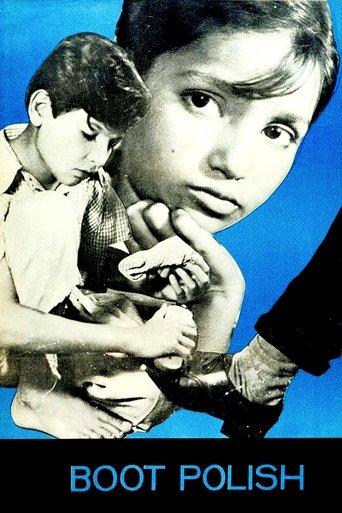
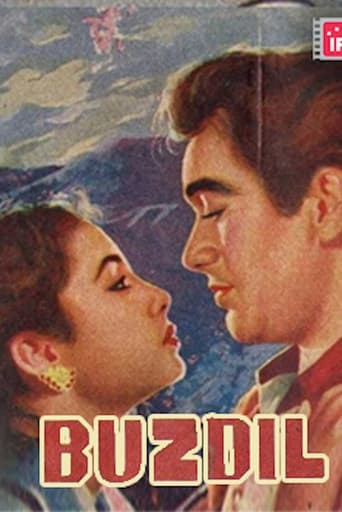
Rattan Kumar was prominent child actors in Hindi cinema during the early 1950s, known for his natural and emotionally compelling performances. He began his film career with Buzdil in 1951, but it was his role in Boot Polish (1954) that brought him widespread recognition and critical acclaim. As one of the lead child actors in Boot Polish, produced by the Raj Kapoor and directed by Prakash Arora, he delivered a performance that was both touching and mature beyond his years. The film, which dealt with themes of dignity, self-respect, and the struggles of orphaned children, became a classic of Indian cinema and won the Filmfare Award for Best Film. Rattan Kumar's portrayal of a street child trying to earn an honest living resonated deeply with audiences and critics alike. His ability to convey complex emotions with authenticity made him stand out among child actors of his generation. Despite his early success, like many child actors of the era, his career was brief, and he gradually faded from the cinematic spotlight as he entered adolescence. His contribution to Indian cinema, particularly during the golden era of the 1950s, remains significant for bringing depth and realism to child characters in mainstream films.
The Craft
On Screen
Natural and emotionally authentic, with an ability to convey complex emotions beyond his years. His performances were characterized by a lack of pretense and a genuine quality that made his portrayals of street children particularly believable and touching.
Milestones
- Debut in Buzdil (1951)
- Lead role in Boot Polish (1954)
- Critical acclaim for natural acting style
- Part of Raj Kapoor's production Boot Polish
- Recognition as one of the promising child actors of early 1950s
Best Known For
Iconic Roles
Must-See Films
Accolades
Won
- Boot Polish won Filmfare Award for Best Film (1955)
Working Relationships
Worked Often With
Studios
Why They Matter
Impact on Culture
Rattan Kumar's performance in Boot Polish contributed significantly to the evolution of child characters in Indian cinema, moving away from stereotypical portrayals to more realistic and nuanced representations. His work helped establish that children could carry complex social themes in mainstream cinema, influencing how filmmakers approached stories centered on young protagonists. The success of Boot Polish, partially due to his compelling performance, demonstrated that films with child leads dealing with serious social issues could achieve both critical and commercial success.
Lasting Legacy
Rattan Kumar's legacy is primarily tied to his memorable performance in Boot Polish, which remains a classic of Indian cinema. His work represents an important moment in Hindi cinema's history when child actors began to be taken seriously as performers capable of handling complex emotional and social themes. Though his career was brief, his contribution to. Boot Polish continues to be studied and appreciated, with Rattan Kumar's performance often cited as an example of exceptional child acting in Indian cinema.
Who They Inspired
While there is limited documentation of direct influence, Rattan Kumar's natural acting style in Boot Polish set a benchmark for child actors in Indian cinema. His performance demonstrated that children could portray complex social realities without being overly sentimental or preachy, influencing subsequent generations of filmmakers in their approach to child characters. The success of Boot Polish paved the way for more socially conscious films featuring child protagonists in Indian cinema.
Off Screen
Very limited information is available about Rattan Kumar's personal life, which was common for child actors of that era who often retreated from public life after their acting careers ended. Like many child actors in Indian cinema during the 1950s, he maintained a low profile after his brief stint in films.
Did You Know?
- Boot Polish was one of the first Indian films to deal seriously with the theme of dignity of labor
- The film was produced by Raj Kapoor under his R.K. Films banner
- Rattan Kumar worked alongside Baby Naaz in Boot Polish, both delivering acclaimed performances
- The film's message 'Work is worship' became iconic in Indian cinema
- Rattan Kumar was part of the golden era of child actors in Hindi cinema that included names like Daisy Irani and Master Bhagwan
- Boot Polish was selected for screening at the Cannes Film Festival
- The film's success led to increased focus on children's issues in mainstream Indian cinema
Frequently Asked Questions
Who was Rattan Kumar?
Prominent child with credits in this catalog. Though his career was brief, spanning only from 1951 to 1954, he made a significant impact with his natural acting style and emotionally compelling performances.
What films is Rattan Kumar best known for?
Titles linked here include Boot Polish (1954), Buzdil (1951).
When was Rattan Kumar born and when did he die?
Specific birth and death dates for Rattan Kumar are not documented in available records, which was common for many child actors of that era who often retreated from public life after their careers ended. His active period in cinema was from 1951 to 1954.
What awards did Rattan Kumar win?
While Rattan Kumar himself did not receive documented individual awards, his film Boot Polish won the Filmfare Award for Best Film in 1955. The film was also selected for screening at the Cannes Film Festival, bringing international recognition to his work.
What was Rattan Kumar's acting style?
Rattan Kumar was known for his natural and emotionally authentic acting style, with an ability to convey complex emotions beyond his years. His performances were characterized by a lack of pretense and genuine quality, particularly evident in his portrayal of a street child in Boot Polish.