Films
1 film
About Chand Burke
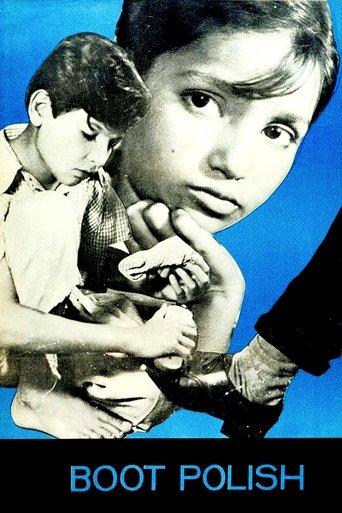
Indian actor who gained recognition for his role in the critically acclaimed 1954 film Boot Polish. Though his career in cinema was notably brief, his performance in this socially conscious drama left a lasting impression on audiences and critics alike. Boot Polish, directed by Prakash Arora and produced by Raj Kapoor, was one of the early Indian films to gain international recognition, winning awards at film festivals abroad. Burke's portrayal in this film about street children in Bombay showcased his natural acting ability during the early phase of Indian cinema's golden era. While Boot Polish stands as his most documented work, his contribution to this significant film places him within the context of important character actors of 1950s Indian cinema. The film itself was for its realistic depiction of poverty and childhood struggles in urban India, and Burke's performance was integral to its emotional impact.
The Craft
On Screen
Naturalistic and realistic acting style that suited the social realist approach of Boot Polish, emphasizing authentic emotional portrayal of characters from marginalized backgrounds
Milestones
- Starred in the award-winning film Boot Polish (1954) which gained international recognition
- Participated in one of the earliest Indian films to address social issues of poverty and street children
- Contributed to a film that won the Filmfare Award for Best Film
Best Known For
Iconic Roles
Must-See Films
Working Relationships
Worked Often With
Studios
Why They Matter
Impact on Culture
Chand Burke's contribution to Indian cinema, while brief, is significant through his participation in Boot Polish, a film that helped establish the social realist genre in Indian cinema. The film was among the early Indian productions to gain international attention, competing at film festivals abroad and bringing global recognition to Indian cinema's ability to address pressing social issues. His performance contributed to the film's authentic portrayal of urban poverty and childhood struggles, themes that would become increasingly important in Indian parallel cinema of subsequent decades.
Lasting Legacy
Chand Burke's legacy is tied to the enduring impact of Boot Polish as a milestone in Indian cinema history. The film continues to be remembered as a work in social realism, and his contribution to this important production places him among the character actors who helped shape early Indian cinema's evolution beyond purely commercial entertainment. While his own career may have been brief, his involvement in this culturally significant film ensures his place in the annals of classic Indian cinema.
Who They Inspired
As an actor in one of the early socially conscious Indian films, Chand Burke contributed to the movement that would later influence parallel cinema in India. The realistic acting style employed in Boot Polish, which his performance exemplified, helped pave the way for more naturalistic approaches to acting in Indian cinema, moving away from the theatrical traditions that had dominated earlier film productions.
Off Screen
Very limited information is available about Chand Burke's personal life, as he appears to have had a brief career in cinema with Boot Polish being his most documented work. Like many character actors of early Indian cinema who appeared in significant roles but did not achieve mainstream stardom, detailed biographical information remains scarce.
Did You Know?
- Boot Polish (1954) was produced by Raj Kapoor under his R.K. Films banner
- The film was India's official entry to the Cannes Film Festival
- Boot Polish won the Filmfare Award for Best Film in 1955
- The film's child actors, including Burke's co-stars, were praised for their natural performances
- Boot Polish was one of the first Indian films to focus exclusively on the lives of street children
- The film's success internationally helped establish India's reputation for producing meaningful cinema
- Chand Burke's career appears to have been primarily concentrated around this single significant film
- The film was shot on location in Bombay, adding to its realistic portrayal of urban life
Frequently Asked Questions
Who was Chand Burke?
Indian with credits in this catalog. Though his career in cinema was brief, he contributed to one of the early examples of social realist filmmaking in Indian cinema.
What films is Chand Burke best known for?
Titles linked here include Boot Polish (1954).
When was Chand Burke born and when did he die?
Specific birth and death dates for Chand Burke are not widely documented in available sources, which is common for character actors from early Indian cinema who had brief careers. His known active period was 1954.
What awards did Chand Burke win?
While specific individual awards for Chand Burke are not documented, the film Boot Polish in which he appeared won the Filmfare Award for Best Film in 1955 and gained recognition at international film festivals, including being India's official entry to Cannes.
What was Chand Burke's acting style?
Chand Burke's acting style in Boot Polish was naturalistic and realistic, fitting the film's social realist approach. His performance contributed to the authentic portrayal of marginalized characters, which was groundbreaking for Indian cinema of the 1950s.