Films
1 film
About Kenneth Harp
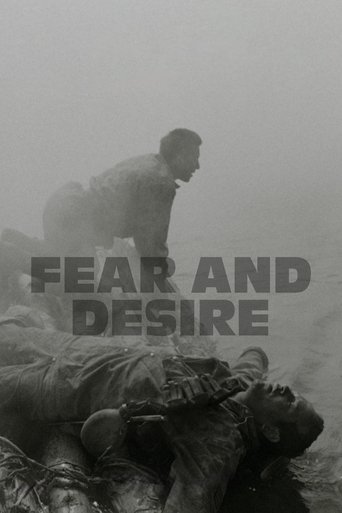
Kenneth Harp appeared in Stanley Kubrick's debut feature film 'Fear and Desire' in 1953. His career in cinema appears to have been exceptionally brief, with this single film representing his entire known filmography. In Kubrick's ambitious but low-budget war film, Harp played the role of the Lieutenant, one of four soldiers trapped behind enemy lines. The film was shot on a minimal budget of approximately $10,000 in the San Gabriel Mountains of California. Despite the film's historical significance as Kubrick's first feature, it received limited distribution and Kubrick himself later disowned it, attempting to destroy all existing copies. Harp's performance, like those of his co-stars, was characterized by the theatrical style common in low-budget independent films of the era. After this single appearance, Harp seemingly disappeared from the film industry, leaving behind only this small but historically significant contribution to cinema history as part of Kubrick's controversial debut.
The Craft
On Screen
Theatrical and formal, characteristic of early 1950s independent cinema. His performance in 'Fear and Desire' reflected the limited resources and amateur nature of the production, with delivery that was somewhat stilted but appropriate for the film's allegorical and philosophical tone.
Milestones
- Appeared in Stanley Kubrick's debut feature film 'Fear and Desire' (1953)
- Played the role of the Lieutenant in Kubrick's controversial first film
Best Known For
Iconic Roles
Must-See Films
Working Relationships
Worked Often With
Why They Matter
Impact on Culture
Kenneth Harp's cultural impact is primarily tied to his participation in Stanley Kubrick's debut feature, a film that has gained historical significance despite Kubrick's attempts to suppress it. While Harp himself did not achieve lasting fame, his performance is preserved in what has become a curiosity piece for film scholars and Kubrick enthusiasts studying the director's early development. The film represents an important artifact of independent American cinema in the early 1950s, and Harp's contribution, however brief, is part of that historical record.
Lasting Legacy
Kenneth Harp's legacy is that of a footnote in cinema history - an actor whose entire known filmography consists of one role in what would become a famous director's controversial first film. His performance survives as part of a film that Kubrick himself tried to destroy, making it a rare piece of cinema history. For film historians and Kubrick scholars, Harp represents the amateur spirit of independent filmmaking in the 1950s, where aspiring filmmakers often worked with non-professional or inexperienced actors to bring their visions to life.
Who They Inspired
Due to his extremely brief career, Kenneth Harp had no documented influence on other actors or filmmakers. His significance lies purely in his participation in Kubrick's debut, serving as an example of the unknown talents who helped launch the careers of future cinema legends.
Off Screen
Very little is known about Kenneth Harp's personal life beyond his single film appearance. His brief tenure in cinema suggests he may have been a non-professional actor or someone who pursued acting only briefly before moving on to other endeavors. The lack of any documented film career beyond 1953 indicates he likely returned to private life or pursued a different profession after this single role.
Did You Know?
- 'Fear and Desire' was Kenneth Harp's only known film appearance
- The film was shot on a budget of approximately $10,000
- Stanley Kubrick later disowned the film and attempted to destroy all copies
- Harp played the Lieutenant, one of four main characters in the allegorical war film
- The film was shot in the San Gabriel Mountains of California over several weeks
- Kubrick was only 24 years old when he directed the film
- The cast consisted largely of non-professional or inexperienced actors
- Despite Kubrick's wishes to suppress the film, it has survived and become a cult classic
- The film's theatrical release was extremely limited, with few theaters showing it
- Harp's co-stars included Frank Silvera, Paul Mazursky, and Stephen Coit
Frequently Asked Questions
Who was Kenneth Harp?
American with credits in this catalog. His career appears to have consisted of only this single film appearance, making him a minor but historically significant figure in cinema history as part of Kubrick's controversial first work.
What films is Kenneth Harp best known for?
Titles linked here include Fear and Desire (1953).
When was Kenneth Harp born and when did he die?
Kenneth Harp's birth and death dates are not documented in available film records. His brief appearance in cinema history is limited to 1953, and no biographical information about his birth, death, or personal life has been preserved in film archives or databases.
What awards did Kenneth Harp win?
Kenneth Harp did not receive any known awards or nominations for his acting. His single film appearance in 'Fear and Desire' did not garner critical acclaim or recognition during its initial release, and the film itself was largely overshadowed by Kubrick's later, more successful works.
What was Kenneth Harp's acting style?
Harlan's acting style in 'Fear and Desire' was theatrical and somewhat formal, characteristic of early 1950s independent cinema. His performance reflected the amateur nature of the production and the limited experience of the cast, with delivery that was somewhat stilted but appropriate for the film's allegorical tone.