Films
3 films
About Alta Allen
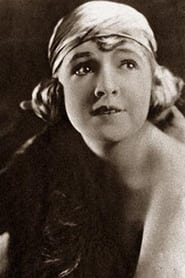
Silent-era film actress: screen career appears to have been brief but memorable, spanning the first half of the 1920s. She is documented in surviving filmographies for appearances in features such as Seven Years Bad Luck (1921) and Raggedy Rose (1926), placing her within the lively world of American silent comedy and feature production during that period. Like many performers of the silent era who worked in supporting or secondary roles, Allen’s career is not extensively documented in modern reference sources, and much of her life outside the screen remains obscure. Her surviving credits suggest that she worked during a transitional time in Hollywood, when studio production was rapidly professionalizing and performers often moved fluidly between comedy, melodrama, and light character parts. Because the historical record is sparse, details such as her birth, family background, and later life are not firmly established in readily available sources. What can be said with confidence is that she participated in the silent film industry at a time when actresses helped define the visual rhythm and comic energy of early feature filmmaking. Her presence in films now studied by silent-cinema historians ensures that she remains part of the broader record of women who contributed to the artistry of early Hollywood, even when their personal biographies are only partially preserved.
The Craft
On Screen
No detailed contemporary reviews or performance analyses are readily available for Alta Allen, so her precise acting style cannot be reconstructed with certainty. Based on the silent features in which she appeared, her work would have relied on the expressive, visually legible techniques standard to the era: clear facial expression, body language, and crisp physical timing. In silent comedy and dramatic features alike, performers had to communicate character and emotion without spoken dialogue, and Allen’s screen work would have been shaped by those conventions. Because her roles are not well documented in surviving reference material, any more specific description would be speculative.
Milestones
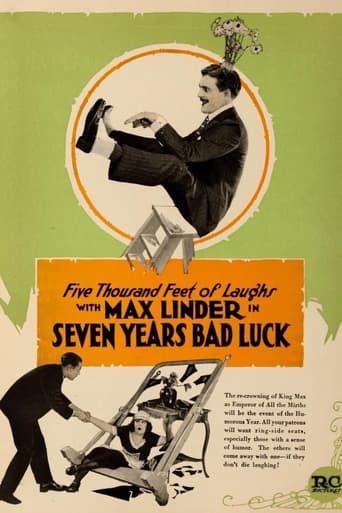
- Appeared in the silent comedy feature Seven Years Bad Luck (1921), one of her earliest known screen credits
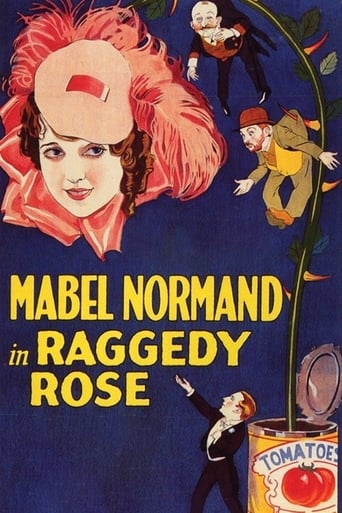
- Was Alta Allen appeared in Raggedy Rose (1926), indicating continued work in silent film productions through the middle of the decade
- Worked during the peak years of American silent cinema, when visual acting and physical expressiveness were central to film performance
- Represents the many supporting silent-era actresses whose contributions survive in film credits even when biographical details are limited
- Associated with feature-length narrative cinema in the 1920s, rather than only short subjects or anonymous extra work
Best Known For
Iconic Roles
Must-See Films
Why They Matter
Impact on Culture
Alta Allen’s cultural impact is best understood as part of the collective contribution of silent-era actresses whose work helped build the language of American screen performance. Even when performers did not become major stars, they were essential to the texture of early feature films, supplying supporting characterization, comic timing, and visual rhythm in productions that depended on ensemble interaction. Her credits in films from 1921 and 1926 place her within a formative moment in Hollywood history, when the silent medium was refining genre conventions and performance styles that would influence cinema long after the coming of sound. For historians and archivists, names like Alta Allen matter because they preserve the full ecosystem of early film production, not just the leading stars. Her surviving record is a reminder that silent cinema was created by many working actors whose contributions remain embedded in the films themselves, even when their biographies are fragmentary.
Lasting Legacy
Alta Allen’s legacy lies in her preservation within the historical record of silent cinema, where every credited performer helps reconstruct the working culture of early Hollywood. Though she does not appear to have become a major star, her roles in surviving filmographies make her part of the documented cast of the silent era’s feature-film economy. For researchers, she exemplifies the many actresses whose careers were brief, lightly publicized, or incompletely archived, yet who were nonetheless active participants in the growth of American motion pictures. Her name endures through film databases and credit listings, ensuring that she remains visible to silent-film scholars and enthusiasts seeking a fuller understanding of the era. In that sense, her legacy is archival as much as artistic: she stands as one of the many performers whose presence helps complete the history of early cinema.
Who They Inspired
There is no clear evidence that Alta Allen directly mentored later performers or became an acknowledged stylistic influence in the way major stars did. Her influence is therefore indirect and historical rather than personal: she contributed to the body of silent-feature acting that established performance norms for visual storytelling. Supporting actors and actresses of her kind helped set standards for ensemble balance, expressive economy, and comic or dramatic readability in the silent medium. That broader legacy influenced later generations by defining how film acting could communicate without dialogue and by shaping the grammar of screen performance that continued into the sound era.
Off Screen
Very little reliably documented information appears to survive about Alta Allen’s personal life. Her birth details, family background, relationships, and later years are not clearly established in standard readily accessible classic-film references. As a result, it is not possible to confidently list marriages, children, or education without risking inaccuracy. She is best understood today primarily through her film credits rather than through a well-documented private biography.
Did You Know?
- Alta Allen is identified in surviving film records primarily through a small number of credits, which is common for many silent-era supporting players.
- Her known filmography places her squarely in the 1920s,.
- Seven Years Bad Luck (1921) is a silent comedy title often remembered by film historians, helping keep her name visible in classic-film reference material.
- Raggedy Rose (1926) shows that she remained active through the later silent period, just before the transition to sound transformed the industry.
- Unlike major stars of the era, her personal biography has not been widely preserved, illustrating how uneven early Hollywood documentation can be.
- Her surviving record is valuable to researchers because it helps reconstruct ensemble casts and lesser-known contributors to silent features.
- No commonly cited publicity profile or major studio star campaign is readily associated with her, suggesting she likely worked as a character or supporting player.
Frequently Asked Questions
Who was Alta Allen?
Silent-era film actress active in the early to mid-1920s. She is known today mainly through her surviving screen credits, including Seven Years Bad Luck (1921) and Raggedy Rose (1926).
What films is Alta Allen best known for?
Titles linked here include Seven Years Bad Luck (1921), Raggedy Rose (1926).
When was Alta Allen born and when did she die?
Her birth and death dates are not clearly documented in the readily available classic-film record, so they cannot be stated with confidence. The surviving information places her active on screen between 1921 and 1926.
What awards did Alta Allen win?
No verified awards or nominations are readily documented for Alta Allen. This is not unusual for silent-era supporting performers, many of whom worked before modern awards culture was firmly established.
What was Alta Allen's acting style?
No detailed performance analysis of Alta Allen survives in widely available sources, so her exact style cannot be described precisely. As a silent-film actress, her work would have depended on expressive facial acting, gesture, and physical timing to communicate character without spoken dialogue.
What is Alta Allen's legacy in film history?
Her legacy is primarily archival and historical: she represents the many working actresses who helped build silent-era filmmaking even if they did not become major stars. Her credit history helps scholars and audiences reconstruct the ensemble world of early Hollywood.