Be My Wife
Plot
Max wants to marry Mary, but her guardianship by the formidable Aunt Agatha turns courtship into a comic obstacle course. Determined to win Mary despite Agatha’s disapproval, Max repeatedly lands in situations that expose his vanity, romantic persistence, and knack for physical disaster. The plot widens when Max and Mary become entangled with Madam Coralie, a stylish and unscrupulous dressmaker who also operates as a bootlegger, pulling the lovers into a world of social pretension, disguise, and farce. As in many Max Linder comedies, the humor depends on escalating misunderstandings, rapid reversals of status, and Max’s exasperated attempts to maintain dignity while everything around him unravels. The film builds toward a series of comic complications in which romance, fashion, and illicit commerce collide, allowing Linder to play both the suave suitor and the perpetually embarrassed victim of circumstance.
About the Production
Be My Wife was made during Max Linder’s American period, after the French star had become one of the most internationally recognized comic performers of the silent era. The film reflects Linder’s transitional career in Hollywood, where he adapted his elegant persona and precise pantomime to American-feature-length comedy. Like many Linder productions, it emphasizes elaborate comic set-pieces, stylish costumes, and a star-centered narrative built around his screen character’s vanity and romantic frustration. The presence of a dressmaker who doubles as a bootlegger suggests the production was drawing on contemporary urban amusements and American Prohibition-era comic possibilities, even as the film preserved the refined, social-comedy tone associated with Linder. Precise budget, shooting schedule, and box-office figures are not reliably documented in surviving sources.
Historical Background
Be My Wife was made in 1921, in the immediate aftermath of World War I and during a period when Hollywood was consolidating itself as the world’s dominant film industry. Silent comedy was one of the major forms through which studios reached mass audiences, and feature-length comedies were becoming more common as star vehicles. In the United States, Prohibition had begun, which created a cultural backdrop that made bootlegging a fertile subject for jokes and social satire. The film also belongs to a moment when European stars, including Max Linder, were navigating the American studio system and helping shape the transatlantic style of screen comedy. Its significance lies partly in preserving the sensibility of an earlier international comic tradition while adapting it to the rhythms and topical references of early-1920s America.
Why This Film Matters
Max Linder was a foundational figure in film comedy, and Be My Wife is culturally important as part of the body of work that linked early slapstick to more refined romantic and situational comedy. His elegant, vain, and socially embarrassed persona influenced later screen comedians, helping define the archetype of the well-dressed gentleman whose confidence collapses under pressure. The film also reflects the way silent comedy absorbed contemporary social types, such as the stern aunt, the fashionable businesswoman, and the bootlegger, into broadly accessible comic storytelling. For film historians, it remains valuable as an example of Linder’s American-era work and as evidence of how early cinema balanced international style with local topical humor. Its survival and continued cataloging help maintain the memory of a performer who was once as globally famous as Chaplin or Keaton, even if later generations have known him less well.
Making Of
Be My Wife was produced at a time when Max Linder was trying to extend his European fame into the American market, and the film shows how carefully he cultivated a sophisticated screen identity. Instead of relying only on chaos and chase comedy, the picture leans on Linder’s trademark elegance, vanity, and deadpan frustration, which were central to his international appeal. The story’s combination of romance, a controlling aunt, and a fashionable bootlegger suggests an effort to root the comedy in contemporary social behavior rather than abstract gag machinery. Exact production anecdotes are scarce in surviving documentation, but the film fits Linder’s broader method: tightly staged visual comedy, expressive acting, and a glamorous yet slightly ridiculous hero whose dignity is perpetually under threat.
Visual Style
The film’s visual style is typical of polished silent-era feature comedy: clear staging, readable action, and attention to body language and costume as sources of humor. Because Max Linder’s comedy depended heavily on elegant presentation, the cinematography supports his vanity through composed framing and careful emphasis on gesture, facial expression, and business with props. Scenes involving social embarrassment or misunderstandings are likely staged to maximize spatial clarity, allowing the audience to follow multiple comic beats at once. The dressmaker setting also gives the film opportunities for visual contrasts between fashion, respectability, and underhanded activity, which would have been enhanced through costume design and prop detail.
Innovations
The film’s notable achievement is less about a single technical innovation than about the refinement of feature-length silent comedy structure around a star persona. It demonstrates how silent films could combine romance, satire, and physical comedy without dialogue, relying on precise visual storytelling. The use of fashion and social environments as comic engines also shows an advanced understanding of production design as part of gag construction. As with many Max Linder films, its technical strength lies in timing, staging, and the controlled escalation of comic complications rather than in overt special effects or experimental camera work.
Music
As a silent film, Be My Wife had no synchronized recorded soundtrack at the time of release. In its original exhibition, it would have been accompanied by live music, typically chosen by theater musicians or exhibitors to match the rhythm of the comedy. Surviving presentations today are often accompanied by archival or commissioned scores depending on the restoration source. No single original composer or standardized score is firmly documented in the available information.
Memorable Scenes
- Max’s repeated attempts to court Mary while Aunt Agatha’s disapproval continually blocks his progress.
- The comic entanglement with Madam Coralie, whose dressmaking business and bootlegging operation create an absurdly stylish underworld.
- Sequences in which Max’s refined self-image is undermined by escalating misunderstandings and social complications.
- The collision of romance and illicit commerce, turning a fashionable setting into the stage for farce.
Did You Know?
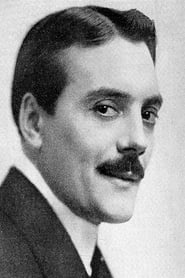
- The film was directed by and stars Max Linder, one of the most influential comic performers of the silent era.
- It belongs to Linder’s late-career American productions, made after he had already achieved major fame in Europe.
- The title is often confused with later films of the same or similar name, but this version is the 1921 Max Linder comedy.
- The inclusion of a dressmaker-bootlegger reflects the comic use of Prohibition-era social themes that were topical in early-1920s America.
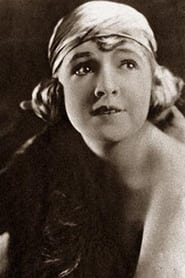
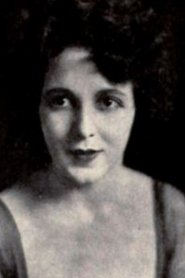
- Alta Allen appears as Mary, continuing the film’s emphasis on romantic pursuit and domestic obstacles.
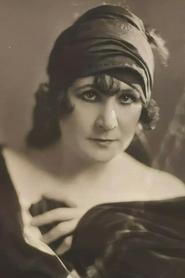
- Caroline Rankin plays Aunt Agatha, the kind of stern guardian figure frequently used in silent comedy to block romance and intensify farce.
- The film is representative of Linder’s polished, gentleman-comedian image, in contrast to the more anarchic style of some contemporary slapstick stars.
- Because many early Max Linder films survive only in fragmentary form or through archival prints, the exact circulation history of Be My Wife is less widely documented than better-known comedies of the period.
- The film’s comedic premise mixes courtship comedy with social satire, especially around fashion and illicit commerce.
- It is part of the small body of feature-length work that helped establish the feature comedy as a viable format before the dominance of sound-era comic feature stars.
What Critics Said
Contemporary reviews are not as widely preserved or as frequently cited as those for some of Linder’s more famous films, but the picture was generally treated as a showcase for his familiar comic persona and polished style. Linder’s work was often praised for its sophistication, charm, and careful construction, especially in contrast to more aggressive slapstick comics. Modern critical attention tends to value Be My Wife as part of his American output rather than as a single canonical masterpiece, but it is appreciated for showing how he adapted his comic method to feature-length storytelling. Today, historians often regard the film as an important artifact of silent-era star comedy and as evidence of Linder’s continuing influence on romantic and situational screen humor.
What Audiences Thought
At the time of release, audiences drawn to Max Linder generally responded to his refined comic persona, his physical expressiveness, and the romantic complications that structured his feature comedies. The mix of courtship frustration and topical bootlegging humor would likely have been accessible and amusing to contemporary viewers familiar with both high-society manners and Prohibition-era realities. While detailed audience metrics are unavailable, Linder’s international celebrity suggests the film would have been received as another entry in a well-established and popular comic brand. In modern presentation, audiences tend to respond to it as a charming silent comedy with period flavor, especially when seen in archival or restoration contexts.
Film Connections
Influenced By
- The stage farce tradition of mistaken identity and guardian-imposed romance
- French comic performance styles associated with Max Linder's earlier career
- Contemporary social comedies centered on fashion and respectability
- Prohibition-era American topical humor
This Film Influenced
- Later gentleman-comedian features in silent and early sound comedy
- Romantic slapstick films built around an anxious, well-dressed suitor
- Feature comedies that mix social satire with domestic farce
You Might Also Like
More Comedy Films
View allMore from Max Linder
View allFilm Restoration
The film is extant in archival form and is not considered a lost film, though surviving materials and access may be limited depending on archive holdings and circulating prints.