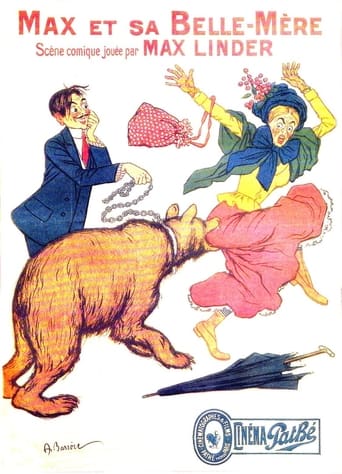
Max's First Job
"Recommended by a friend of the Ambigu Theatre, Max is summoned to Joinville…"
Keys: Space play/pause · ←/→ 10s · F fullscreen · M mute · </> speed
About this film
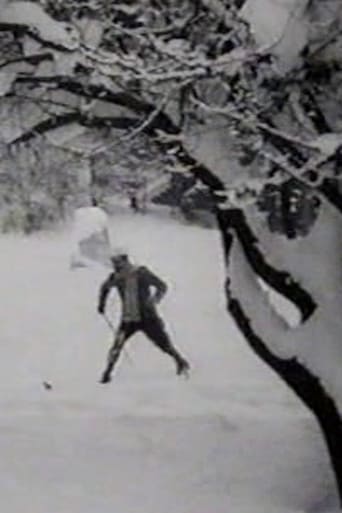
Recommended by a friend of the Ambigu Theatre, Max is summoned to Joinville studios. His first role is that of a husband who comes home late.
Cast & crew
More films like this
More Comedy films
View all →







More from Louis J. Gasnier
View all →
More about this film
About the production
Release date1910
ProductionPathé Frères
Filmed inJoinville Studios, Joinville-le-Pont, France
This film was produced during the height of Pathé Frères' dominance in international cinema, when their Joinville studios were among the most advanced production facilities in the world. The film represents an early example of the studio system developing star vehicles around popular performers like Max Linder. Production would have utilized the natural lighting techniques common in 1910, with scenes likely filmed in a single day due to the short format and straightforward premise.
Themes
Transition from stage to filmProfessional anxiety and first-day nervesThe making of artComedy in domestic situationsEarly cinema self-awareness
Themes & topics
Historical background
Released in 1910 during the silent era's formative years, Max's First Job reached audiences when exhibitors were still defining programming conventions. The narrative hook—Recommended by a friend of the Ambigu Theatre, Max is summoned to Joinville…—reflects what contemporary producers thought would draw viewers.
Why this film matters
Max's First Job remains discussed by archivists tracing how screen stories of its period represented work, desire, conflict, and social order. Its central situation—Recommended by a friend of the Ambigu Theatre, Max is summoned to Joinville…—still prompts questions about genre conventions and audience expectations.
Making of
The production of 'Max's First Job' took place during a pivotal moment in cinema history when film was transitioning from novelty to legitimate art form. Max Linder, already established as a stage performer, was part of a wave of theatrical talent being recruited by film studios to lend legitimacy to the medium. Director Louis J. Gasnier was a key figure in Pathé's production system, known for his efficiency and ability to work quickly with performers. The filming process would have been rudimentary by modern standards, with natural lighting, hand-cranked cameras, and minimal editing. The Joinville studios where this was filmed were state-of-the-art for 1910, featuring glass walls to maximize natural light and multiple stages for simultaneous productions. The film's meta-narrative about an actor's first film role was particularly clever for its time, creating a self-referential humor that audiences of the era would have appreciated.
What critics said
Trade and newspaper notices for Max's First Job generally emphasized casting, spectacle, and program fit rather than extended aesthetic argument. Retrospective screenings and archival notes continue to shape how viewers evaluate Max's First Job today.
Did you know?
- Max Linder was already a major stage star at the Ambigu Theatre before transitioning to film, making this semi-autobiographical content particularly meaningful to contemporary audiences.
- The Joinville Studios mentioned in the film were real facilities that Pathé Frères established in 1903, becoming one of the first purpose-built film studios in Europe.
- This film was part of Pathé's strategy to create recurring character series, with Max Linder becoming one of cinema's first true film stars with a recognizable persona.
- Louis J. Gasnier, the director, would later direct the infamous 'Reefer Madness' (1936), showing the dramatic range of his career across different eras of cinema.
- The film's premise of an actor's first job reflects the very real transition many stage performers were making from theater to the new medium of cinema in 1910.
- Max Linder's character in this film established the 'Max' persona that would appear in hundreds of short films over the next decade.
- The Ambigu Theatre, referenced in the film, was a real Parisian theater founded in 1828 and known for popular melodramas and comedies.
- This film survives today primarily through archives and is considered an important document of early French comedy cinema.
- The simple premise of a husband coming home late would become a recurring trope in silent comedy, later used extensively by Chaplin and others.
Visual style
The cinematography reflects the technical standards of 1910, utilizing stationary camera positions typical of early cinema. The film would have been shot on 35mm film with hand-cranked cameras, requiring careful timing to maintain consistent speed. Natural lighting from the Joinville studio's glass walls would have been used, creating the bright, even exposure characteristic of Pathé productions of this era. The visual composition focuses on Linder's performance, with medium shots allowing audiences to appreciate his facial expressions and physical comedy. The simple set design emphasizes the narrative while minimizing distractions from the main action.
Innovations
While not technically innovative in terms of camera work or editing, the film represents important developments in narrative structure and character development for early cinema. The film demonstrates the growing sophistication of comedic timing and performance techniques adapted from stage to screen. The meta-narrative approach was relatively novel for the period, showing an early awareness of cinema as a self-referential medium. The production efficiency at Pathé's Joinville studios set standards for industrial film production that would influence the industry globally.
Music
As a silent film, 'Max's First Job' would have been accompanied by live musical performance during theatrical exhibition. Typical accompaniment would have included piano or small orchestra playing popular light classical pieces or original improvisations. The music would have been synchronized to enhance the comedic timing and emotional beats of the story. Pathé often provided suggested musical scores for their films, though individual theaters had discretion in their musical selections. The soundtrack would have been crucial in establishing mood and highlighting key comedic moments.
Famous quotes
No recorded dialogue exists as this is a silent film
Memorable scenes
- Max's nervous preparation for his first film take, showcasing his signature blend of anxiety and charm
- The moment Max enters the set and realizes he's playing a husband coming home late, leading to his characteristic double-take
- The final successful take where Max executes the simple premise with perfect comic timing
What audiences thought
Audiences of 1910 responded enthusiastically to Linder's film work, with his 'Max' character becoming extremely popular across Europe and America. The film's relatable premise of starting a new job resonated with viewers during a period of social and economic change. The combination of Linder's established stage reputation and his fresh approach to film comedy created significant public interest. Contemporary accounts suggest that audiences appreciated the glimpse into the filmmaking process, which was still mysterious to most viewers. The film contributed to Linder's growing international fame, making him one of the first truly global film stars.
Film connections
Influenced by
- Stage comedy traditions of French theater
- Earlier Pathé comedy shorts
- Comedic traditions of the Comédie-Française
- Music hall performance styles
This film influenced
- Later Max Linder shorts
- Charlie Chaplin's early work
- Harold Lloyd's character development
- Buster Keaton's meta-comedic elements
Film restoration
The film is preserved in various film archives including the Cinémathèque Française and has been restored as part of early French cinema preservation efforts. While some degradation is typical of films from this period, the basic content remains intact.
Where to watch
- Available through various film archive streaming services
- Included in some Max Linder retrospective collections
- Accessible through specialized silent film streaming platforms
- May be viewed at film archives and cinematheques that hold early Pathé collections