Films
7 films

About Lucien Nonguet
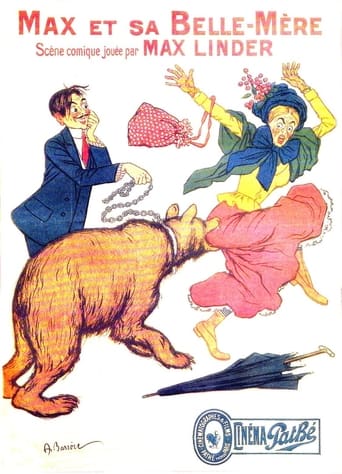
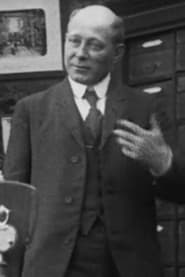
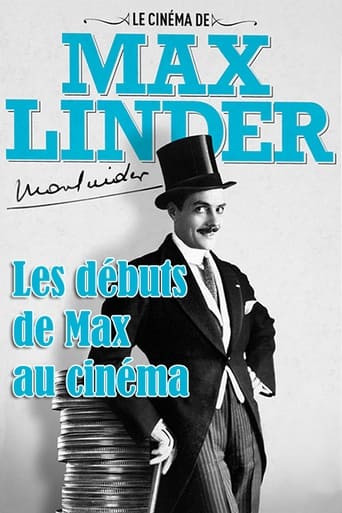
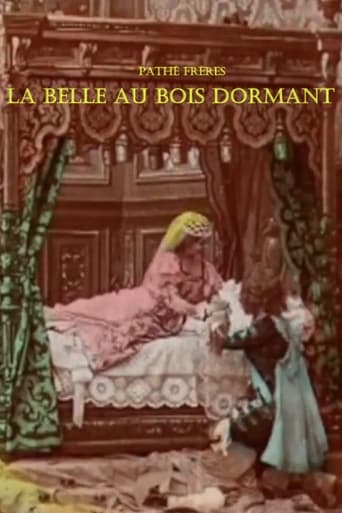
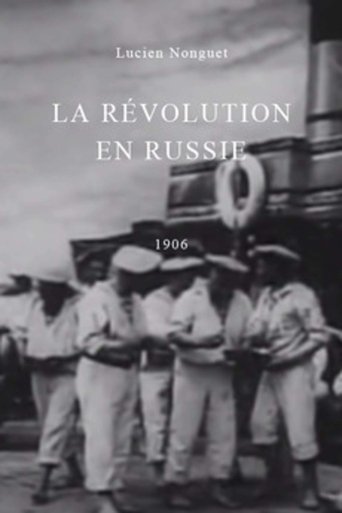
Early French filmmaker who worked during the years of cinema, active as both an actor and director between 1906 and 1911. He was primarily associated with Pathé, one of France's most important early film studios, where he contributed significantly to the development of narrative film techniques. Nonguet collaborated extensively with Max Linder, who would become one of the first international film stars, directing several of Linder's popular comedy shorts that helped establish the comedy genre in early cinema. His directorial work spanned diverse genres, from historical subjects like 'Revolution in Russia' (1906) to fairy tale adaptations such as 'Sleeping Beauty' (1908) and domestic comedies including 'Max and His Mother-in-Law' (1911). As an actor, he appeared in 'Max's First Job' (1910), demonstrating his versatility within the film industry. Nonguet was part of the crucial first generation of filmmakers who helped establish the visual language of cinema and develop narrative techniques that would become standard in the industry. His career, though relatively brief and concentrated in the early silent era, represents the innovative spirit of French cinema's golden age and the foundational period of filmmaking.
The Craft
On Screen
Limited documentation exists, but as an early silent film actor, Nonguet likely employed the exaggerated physical gestures and facial expressions typical of the era, drawing from theatrical traditions while adapting to the new medium's visual requirements.
Behind the Camera
Nonguet's directing style reflected the transitional period of early cinema, incorporating static camera positions common in the earliest films while beginning to explore narrative storytelling techniques. His work across genres demonstrated versatility and adaptability in the rapidly evolving medium.
Milestones
- Directed 'Revolution in Russia' (1906), an early historical film
- Adapted 'Sleeping Beauty' (1908) for the screen during cinema's formative years
- Collaborated with Max Linder on multiple comedy shorts
- Directed 'Max and His Mother-in-Law' (1911), contributing to early comedy development
- Worked with Pathé Studios during their dominance in early cinema
Best Known For
Must-See Films
Working Relationships
Worked Often With
Studios
Why They Matter
Impact on Culture
Lucien Nonguet contributed to the foundational development of cinema during its most experimental and formative years. His work with Pathé Studios placed him at the center of early French cinema's global dominance, and his collaborations with Max Linder helped establish comedy as a viable film genre. By directing films across multiple genres, from historical subjects to fairy tales to comedies, Nonguet demonstrated the expanding possibilities of the new medium and helped develop the narrative techniques that would become standard in filmmaking. His work represents the transition from simple actualities and trick films to more complex storytelling that would define cinema's future.
Lasting Legacy
While Lucien Nonguet is not widely remembered today, his work as part of the first generation of filmmakers helped establish the foundations of cinema as both an art form and industry. His contributions to early comedy films, particularly through his collaborations with Max Linder, influenced the development of film comedy that would later inspire Charlie Chaplin and other silent comedians. The films he directed during 1906-1911 represent important examples of early narrative cinema and the evolution of film language during cinema's first decade.
Who They Inspired
Nonguet's work, particularly his comedy films with Max Linder, contributed to the development of early film comedy that would influence generations of filmmakers. His genre-spanning approach demonstrated cinema's versatility and helped establish various film categories that would become standard in the industry.
Off Screen
Very limited information is available about Lucien Nonguet's personal life, which is typical for many early cinema pioneers whose biographical details were not extensively documented during the early 20th century.
Did You Know?
- Worked during the peak of French cinema's global dominance before World War I
- Collaborated with Max Linder, who was considered Charlie Chaplin's primary influence
- His film 'Revolution in Russia' (1906) was made during actual revolutionary turmoil in Russia
- Directed 'Sleeping Beauty' (1908) before Disney's famous 1959 adaptation
- His active period of only five years (1906-1911) was typical for many early filmmakers
- Pathé Studios, where he worked, was the world's largest film company during this period
- Early films like his were often shown internationally without language barriers
- The comedy format he helped develop with Linder established the 'everyman' character archetype
- His films were made before the development of many standard film techniques
- Worked during the transition from short actualities to narrative feature films
Frequently Asked Questions
Who was Lucien Nonguet?
French actor and on YTB.my. He was primarily associated with Pathé Studios and collaborated frequently with Max Linder, one of the first international film stars.
What films is Lucien Nonguet best known for?
Titles linked here include Revolution in Russia (1906), Sleeping Beauty (1908).
When was Lucien Nonguet born and when did he die?
Exact birth and death dates for Lucien Nonguet are not documented, which is common for many early cinema pioneers. He was known to be active in the film industry between 1906 and 1911 and was French by nationality.
What awards did Lucien Nonguet win?
Lucien Nonguet worked during a period before formal film awards were established. The Academy Awards were not created until 1929, well after his active years in cinema, so no formal awards or nominations are documented for his work.
What was Lucien Nonguet's directing style?
Nonguet's directing style reflected the transitional period of early cinema, incorporating static camera positions while exploring narrative storytelling. His work across genres demonstrated versatility and helped establish foundational film techniques during cinema's first decade.
How did Lucien Nonguet contribute to early cinema?
Nonguet contributed to early cinema by helping develop narrative film techniques and comedy genres during cinema's formative years. His work with Max Linder helped establish comedy as a viable film genre and influenced later silent comedians.
Was Lucien Nonguet related to other filmmakers?
There is no documented evidence of Lucien Nonguet being related to other notable filmmakers. He appears to have been an independent pioneer during the early years of French cinema.
Why is Lucien Nonguet not well-known today?
Like many early cinema pioneers, Nonguet's work has been largely forgotten by mainstream audiences due to the passage of time, loss of many early films, and the focus on later, more documented figures in film history. However, he remains significant to film historians studying cinema's development.