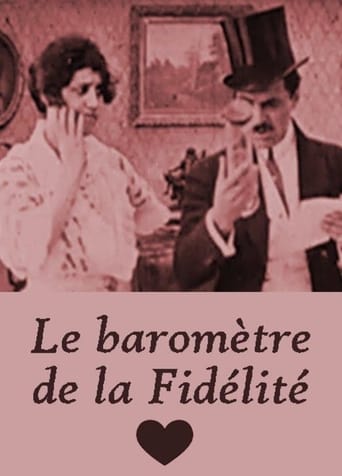
Georges Monca
Actor & Director
Born: October 23, 1867 in Sèvres, France Died: December 10, 1938 Active: 1907-1914
Films
12 films
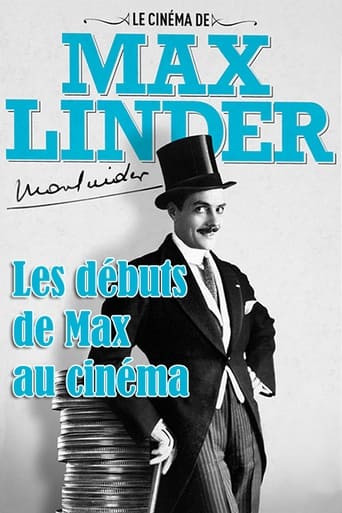
Max's First Job
1910No Poster
Rigadin and the Magic Wand
1912No Poster
Rigadin nègre malgré lui
1912
Rigadin in the Balkans
1912No Poster
Rigadin, Dégustateur en Vins
1913
The Champagne of Rigadin
1915No Poster
Rigadin Napoleon
1913No Poster
The Lady Doctor
1911No Poster
Le médecin de service
1911No Poster
Les timidités de Rigadin
1910No Poster
Rigadin Has a Sensitive Soul
1911About Georges Monca
French filmmaker who emerged during the dawn of cinema, establishing himself as both an actor and director during the silent era's formative years. Born in 1867, Monca entered the film industry in its infancy and quickly became one of Pathé's most prolific directors, crafting numerous short comedies and dramatic pieces between 1907 and 1914. His work coincided with the crucial transition from simple actualities to narrative storytelling in cinema, and he contributed significantly to developing cinematic language and comedy techniques. Monca frequently collaborated with Max Linder, one of early cinema's first true comedy stars, helping to shape the visual vocabulary of film comedy. His directorial style emphasized visual gags, situational comedy, and efficient storytelling within the constraints of early film technology. Though his career was relatively brief by modern standards, his output was substantial, with dozens of films that captured the experimental spirit of early 20th-century French cinema. Monca's work represents an important chapter in the development of narrative film, particularly in the comedy genre, before his career faded as cinema evolved into longer feature formats.
The Craft
On Screen
As an actor in the early silent era, Monca employed the exaggerated physical gestures and facial expressions typical of the period, using broad physical comedy and pantomime to convey emotion and humor to audiences without synchronized sound. His acting was rooted in theatrical traditions but adapted for the intimate medium of film, emphasizing visual clarity and immediate comprehension of character motivation through movement and expression.
Behind the Camera
Monca's directing approach was characteristic of early cinema's efficiency and visual storytelling, employing static camera positions with careful staging to ensure clear narrative comprehension within the limited runtime of early shorts. He demonstrated particular skill in comedic timing and visual gags, often using doorways, windows, and architectural elements to frame his jokes and create spatial relationships that enhanced the humor. His films typically followed simple, linear narratives with clear cause-and-effect relationships, making them accessible to international audiences without intertitles.
Milestones
- Directed over 50 short films for Pathé between 1907-1914
- Frequent collaborator with comedy pioneer Max Linder
- Contributed to development of early narrative cinema
- Helped establish visual comedy techniques in silent film
- Participated in French cinema's golden age of short films
Best Known For
Iconic Roles
Must-See Films
Accolades
Special Recognition
- Recognized as director in French cinema history
Working Relationships
Worked Often With
Studios
Why They Matter
Impact on Culture
Georges Monca contributed to the crucial development of narrative cinema during its formative years, helping establish the visual language and comedic techniques that would influence generations of filmmakers. His work with Max Linder was particularly significant, as Linder's comedy style would later influence Charlie Chaplin and other silent comedians. Monca's films represent the transition from simple actualities to complex narrative storytelling, demonstrating how early filmmakers learned to use the medium to create compelling stories within severe technical constraints. His prolific output for Pathé helped establish the studio as a dominant force in early global cinema, and his films were distributed internationally, contributing to the spread of French cinematic culture worldwide before World War I disrupted the industry.
Lasting Legacy
Though largely forgotten by contemporary audiences, Georges Monca occupies an important place in film history as one of the directors who helped shape cinema's earliest narrative forms. His films serve as valuable historical documents showing the evolution of cinematic techniques and comedy styles during the medium's first decade. Film historians and archivists continue to study his work to understand how early filmmakers developed the grammar of cinema that we take for granted today. His collaboration with Max Linder represents a crucial chapter in the development of film comedy, demonstrating how the medium adapted theatrical traditions to create a new art form.
Who They Inspired
Monca's work influenced the development of early film comedy through his collaborations with Max Linder, whose style was directly inspired by the scenarios and visual gags developed in their films together. The pacing and visual storytelling techniques he employed became standard practice in early French cinema and influenced other directors working within the Pathé system. His approach to framing and staging comedic situations helped establish conventions that would be refined and expanded upon by subsequent generations of comedy directors throughout the silent era and beyond.
Off Screen
Georges Monca lived during a transformative period in French history, from the Second Empire through World War I and into the early years of French cinema's golden age. Details about his personal life remain scarce, as was common for many early film technicians and directors who worked behind the camera during cinema's first decades. He spent his professional life primarily in the Paris film industry, which was the center of global film production before World War I.
Education
Limited information available about formal education; likely received theatrical training common for performers of his era
Family
Did You Know?
- Directed over 50 films in just seven years, demonstrating remarkable productivity even by early cinema standards
- Worked primarily during the period when films were still sold by the foot rather than by individual titles
- His films were typically one to three minutes long, standard for the period before feature-length films became common
- Collaborated with Max Linder during the comedian's rise to international stardom
- Many of his films are now considered lost, a common fate for early cinema produced on volatile nitrate film stock
- Worked during the peak of French cinema's global dominance before World War I shifted the industry's center to Hollywood
- His directing career ended around the same time feature films began replacing shorts as the industry standard
- Pathé was one of the first vertically integrated film companies, controlling production, distribution, and exhibition
- Early French directors like Monca often worked anonymously, with the studio brand more important than individual directors
In Their Own Words
In early cinema, the camera didn't move, so the actors had to move for the camera - this was our fundamental challenge and our greatest opportunity
Frequently Asked Questions
Who was Georges Monca?
French on YTB.my.
What films is Georges Monca best known for?
Titles linked here include The Barometer of Fidelity (1909), Max's First Job (1910).
When was Georges Monca born and when did he die?
Born October 23, 1867; died December 10, 1938.
What awards did Georges Monca win?
During his active period in early cinema, formal awards for filmmaking were not yet established, so Monca received no official awards, though he is recognized today as an important pioneer in French cinema history.
What was Georges Monca's directing style?
Monca's directing style emphasized clear visual storytelling, static camera positioning, and efficient comedic timing within the constraints of early film technology, helping develop the visual language of narrative cinema.
How did Georges Monca influence cinema?
Monca influenced cinema through his work developing early comedy techniques and narrative structures, particularly through his collaborations with Max Linder, whose style would later influence Charlie Chaplin and other silent comedians.
Why is Georges Monca important in film history?
Monca is important as one of the directors who helped establish narrative cinema during its crucial formative years, contributing to the development of film comedy and working during French cinema's period of global dominance before World War I.