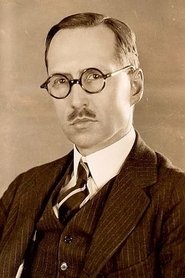
John Randolph Bray
Actor & Director
Born: August 25, 1879 in Detroit, Michigan, United States Died: October 10, 1978 Active: 1913-1930s
Films
2 films
About John Randolph Bray
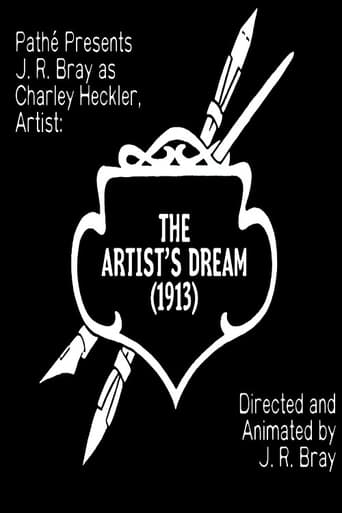
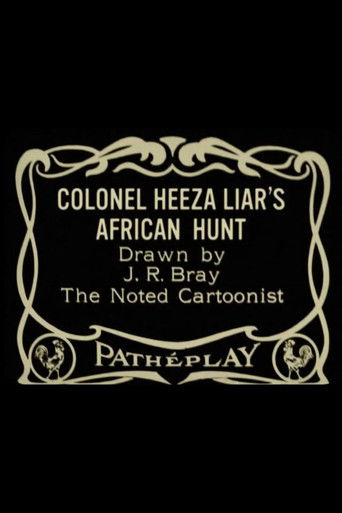
American animator and film producer who revolutionized the animation industry during the silent era. Born in 1879, he initially worked as a journalist and cartoonist before becoming fascinated with the emerging medium of animation after seeing Winsor McCay's work. In 1913, he created 'The Artist's Dreams,' one of his earliest animated films, and soon after founded Bray Productions in 1914, which would become the first successful and commercially viable animation studio in America. Bray developed numerous technical innovations including the use of cels, registration systems, and rotoscoping techniques, for which he held multiple patents. His studio produced the popular 'Colonel Heeza Liar' series, featuring one of animation's first recurring characters, and employed many future animation legends. Bray's business acumen and technical innovations helped establish animation as a legitimate commercial art form, and his studio served as a training ground for generations of animators. He continued working in animation production well into the sound era, though his greatest contributions came during the 1910s and 1920s. Bray passed away in 1978, leaving behind a legacy as figures in early animation history.
The Craft
Behind the Camera
Technical innovation and efficiency in animation production, focusing on streamlined processes and standardized techniques that could be replicated for commercial animation
Milestones
- Founded Bray Productions (1914), the first successful animation studio
- Created Colonel Heeza Liar series (1913-1917), animation's first recurring character
- Developed and patented cel animation techniques
- Pioneered animation production methods and studio systems
- Trained future animation legends including Paul Terry and Max Fleischer
Best Known For
Must-See Films
Accolades
Won
- Winsor McCay Award (1974, posthumous recognition)
Special Recognition
- Inducted into the Animation Hall of Fame
- Recognized as animation pioneer by ASIFA-Hollywood
- Historical marker at Bray Studios location
Working Relationships
Worked Often With
Studios
Why They Matter
Impact on Culture
John Randolph Bray fundamentally transformed animation from an experimental art form into a commercial industry. His development of standardized production techniques and studio systems created the blueprint for modern animation studios that persists to this day. Bray's innovations in cel animation and registration systems made animation production faster, cheaper, and more consistent, enabling the creation of animated content on an industrial scale. His studio trained many of the most important animation pioneers of the 20th century, indirectly influencing the entire course of American animation through his protégés who went on to found their own successful studios.
Lasting Legacy
Bray's legacy as the 'Henry Ford of Animation' stems from his revolutionary approach to animation production. While not as artistically celebrated as contemporaries like Winsor McCay or Walt Disney, Bray's technical and business innovations were arguably more influential on the industry's development. His patents and production methods established the foundation for commercial animation, making it possible for animation to become a profitable entertainment medium. The studio system he pioneered became the model for virtually every major animation studio that followed, and many of his technical innovations remain in use in various forms today.
Who They Inspired
Bray influenced the animation industry primarily through his technical innovations and business model rather than artistic style. His development of cel animation revolutionized the production process and was adopted worldwide. The studio system he created influenced how animation studios were organized and operated for decades. His protégés went on to found major animation studios, spreading his production philosophies throughout the industry. Bray's emphasis on efficiency and standardization helped establish animation as a commercially viable medium, paving the way for the golden age of animation.
Off Screen
John Randolph Bray married Margaret Bray and had two children. He was known for his business-minded approach to animation and his engineering background, which influenced his technical innovations. Unlike many of his contemporaries, Bray focused more on the business and technical aspects of animation rather than the artistic side, which made his studio successful but sometimes criticized for lacking artistic innovation.
Education
University of Michigan (studied engineering)
Family
- Margaret Bray
Did You Know?
- Held over 20 animation-related patents, including one for cel animation
- His studio was the first to produce animation on an assembly-line basis
- Bray Productions was the largest animation studio in the world during the 1910s
- Fought legal battles with other animators over his patents, which some claimed stifled innovation
- His studio produced over 500 animated shorts during its peak years
- Bray was more of a businessman and engineer than an artist, unlike many animation pioneers
- His studio trained animators who would later create famous characters like Betty Boop and Woody Woodpecker
- Colonel Heeza Liar was animation's first recurring character series
- Bray's business model of licensing characters and techniques was revolutionary for the time
- He continued working in animation well into his 70s, though his most influential work was in the 1910s
In Their Own Words
Animation is not an art, it is an industry. We must treat it as such if it is to survive.
The secret to successful animation production is not in the drawing, but in the system.
If we can make one cartoon, we can make a hundred cartoons. The process must be repeatable.
Frequently Asked Questions
Who was John Randolph Bray?
American animator and film producer who founded Bray Productions, the first successful commercial animation studio. He developed numerous technical innovations including cel animation and held many patents that shaped the animation industry during the silent era.
What films is John Randolph Bray best known for?
Titles linked here include The Artist's Dreams (1913), Colonel Heeza Liar's African Hunt (1914).
When was John Randolph Bray born and when did he die?
Born August 25, 1879; died October 10, 1978.
What awards did John Randolph Bray win?
Bray received the Winsor McCay Award in 1974 for his lifetime contributions to animation. He has also been posthumously inducted into the Animation Hall of Fame and recognized by ASIFA-Hollywood as a figure in animation history.
What was John Randolph Bray's directing style?
Bray's directing style focused on technical innovation and production efficiency rather than artistic expression. He pioneered systematic approaches to animation production, developing standardized techniques and assembly-line methods that made commercial animation viable and profitable.
How did John Randolph Bray influence the animation industry?
Bray revolutionized animation by developing cel animation, creating the first successful animation studio system, and training future animation legends. His technical innovations and business model established the foundation for the commercial animation industry, influencing how studios operated for decades.
What was Colonel Heeza Liar?
Colonel Heeza Liar was a boastful adventurer character created by Bray in 1913, considered one of animation's first recurring characters. The series ran from 1913 to 1917 and was produced by Bray Productions, helping establish the concept of animated character series.