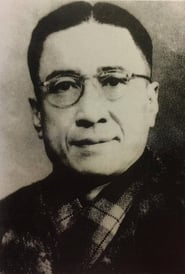
Chusheng Cai
Director
Born: January 12, 1906 in Shanghai, China Died: July 15, 1968 Active: 1929-1968
Films
2 films
About Chusheng Cai
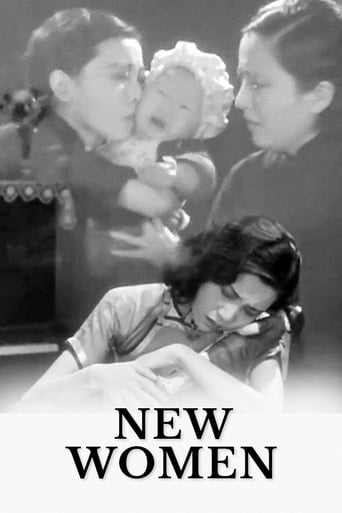
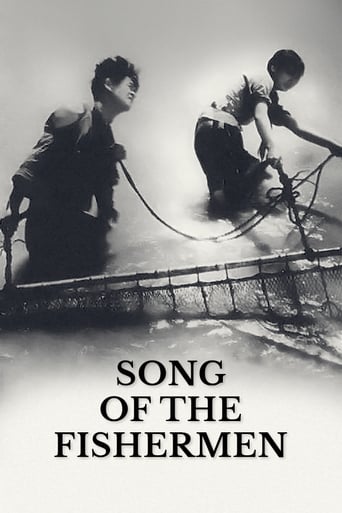
Cai Chusheng was and directors in Chinese cinema history, emerging during the golden age of Chinese filmmaking in the 1930s. Born in Shanghai in 1906, he began his film career as an actor and screenwriter before transitioning to directing, quickly establishing himself excelled in social realist cinema. His breakthrough came with 'Song of the Fishermen' (1934), which became the first Chinese film to win an international award, bringing Chinese cinema to global attention. The following year, he directed 'New Women' (1935), starring the Ruan Lingyu in her final film, which became a controversial masterpiece critiquing the treatment of women in modern society. During the Japanese occupation, Cai continued making films that subtly criticized social injustice while avoiding direct political confrontation. After 1949, he adapted to the new communist film system, though his artistic freedom became increasingly constrained. Tragically, he became a victim of the Cultural Revolution, facing persecution that led to his death in 1968, cementing his legacy as both an artistic genius and a martyr for artistic freedom.
The Craft
Behind the Camera
Cai Chusheng's directing style was characterized by social realism, focusing on the struggles of working-class people and criticizing social injustice. He employed melodramatic elements to evoke emotional responses while maintaining a critical perspective on social issues. His films often featured strong female protagonists and highlighted the plight of the oppressed in Chinese society. He was known for his sophisticated use of cinematic techniques, including expressive lighting, dynamic camera movements, and innovative editing patterns that enhanced the emotional impact of his narratives. His visual style combined Western cinematic influences with distinctly Chinese cultural sensibilities, creating a unique aesthetic that resonated with domestic and international audiences.
Milestones
- Directed 'Song of the Fishermen' (1934) - first Chinese film to win international award
- Directed 'New Women' (1935) starring Ruan Lingyu
- Pioneered social realist filmmaking in Chinese cinema
- Co-directed 'The Spring River Flows East' (1947) with Zheng Junli
- Became vice president of the China Film Association after 1949
Best Known For
Must-See Films
Accolades
Won
- International Award at Moscow International Film Festival for 'Song of the Fishermen' (1934)
Nominated
- Multiple international film festival nominations during the 1930s and 1940s
Special Recognition
- Recognized as one of the greatest Chinese directors of the 20th century
- Posthumously honored for contributions to Chinese cinema
- Films preserved in Chinese national film archives
Working Relationships
Worked Often With
Studios
Why They Matter
Impact on Culture
Cai Chusheng fundamentally transformed Chinese cinema by elevating it from mere entertainment to a powerful medium for social commentary and artistic expression. His films brought international recognition to Chinese cinema at a time when it was virtually unknown outside of China. 'Song of the Fishermen' winning an international award in 1934 marked a watershed moment, proving that Chinese films could compete on the global stage. His work during the 1930s helped establish a distinctly Chinese cinematic language that blended social realism with traditional cultural values. His portrayal of women's struggles in films like 'New Women' contributed to important social discussions about gender roles in modern China. During the Japanese occupation, his films served as subtle forms of resistance, maintaining Chinese cultural identity under foreign rule.
Lasting Legacy
Cai Chusheng's legacy endures as one of the foundational figures of Chinese cinema, representing both artistic excellence and the tragic fate of many artists under political persecution. His films continue to be studied in film schools worldwide as examples of early Chinese cinematic mastery and social realist filmmaking. The techniques and themes he pioneered influenced subsequent generations of Chinese directors, from the Fifth Generation to contemporary filmmakers. His most famous works remain cultural touchstones in China, with 'New Women' particularly remembered for its connection to Ruan Lingyu's tragic suicide and its critique of media sensationalism. Posthumously, he has been recognized as a martyr for artistic freedom, and his life story serves as a reminder of the complex relationship between art and politics in 20th century China. His films are preserved as national treasures and continue to be screened at retrospectives and film festivals around the world.
Who They Inspired
Cai Chusheng influenced countless Chinese directors through his innovative blending of social commentary with cinematic artistry. His approach to depicting working-class struggles and social injustice became a template for socially conscious Chinese cinema. Directors like Xie Jin, Tian Zhuangzhuang, and Zhang Yimou have acknowledged his influence on their work. His techniques for creating emotional impact through visual storytelling rather than dialogue influenced the development of Chinese film language. His emphasis on strong female characters paved the way for more complex representations of women in Chinese cinema. His ability to work within political constraints while maintaining artistic integrity inspired subsequent generations of Chinese filmmakers facing similar challenges.
Off Screen
Cai Chusheng was married to actress Chen Bo'er, who appeared in several of his films. His personal life was deeply intertwined with his artistic career, as he often cast his wife in leading roles and collaborated with her on various projects. During the Cultural Revolution, he faced severe persecution along with many other artists and intellectuals, which ultimately led to his tragic death. Despite the political turmoil, he remained dedicated to his art and continued to work within the constraints of the system until his final days.
Education
Self-taught filmmaker, learned through practical experience in the early Chinese film industry
Family
- Chen Bo'er (1930s-1968)
Did You Know?
- 'Song of the Fishermen' was the first Chinese film to win an international award
- Ruan Lingyu committed suicide shortly after 'New Women' was released, partly due to media harassment
- Cai was forced to write self-criticisms during the Cultural Revolution before his death
- His film 'The Spring River Flows East' was
- He began his career as an actor before transitioning to directing
- His films were banned in Taiwan for many years due to their political content
- He was one of the few directors who successfully transitioned from pre-communist to communist era filmmaking
- His wife Chen Bo'er was also a prominent actress and film theorist
- Cai was known for his meticulous attention to detail and perfectionism on set
- His films often featured themes of family separation and reunification, reflecting China's turbulent history
In Their Own Words
Film should not just entertain, but awaken the consciousness of the people
The camera is my weapon against social injustice
Every frame must serve the story and the truth
Cinema is the mirror of society, and we must show both its beauty and its ugliness
Frequently Asked Questions
Who was Cai Chusheng?
Cai Chusheng was a Chinese film director active from the 1920s to 1960s, considered. He was known for his socially conscious films that depicted the struggles of ordinary Chinese people and criticized social injustice.
What films is Cai Chusheng best known for?
Titles linked here include Song of the Fishermen (1934), New Women (1935).
When was Cai Chusheng born and when did he die?
Born January 12, 1906; died July 15, 1968.
What awards did Cai Chusheng win?
His most significant award was the International Prize at the Moscow International Film Festival for 'Song of the Fishermen' in 1934, making it the first Chinese film to receive international recognition. He has been posthumously honored as one of China's greatest directors.
What was Cai Chusheng's directing style?
Cai Chusheng's directing style was characterized by social realism, focusing on working-class struggles and social injustice. He used melodramatic elements to evoke emotion while maintaining critical social commentary, and was known for his sophisticated visual techniques and strong female protagonists.