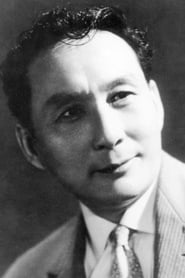
Zheng Jun-li
Actor
Born: December 6, 1911 in Shanghai, China Died: April 22, 1969 Active: 1935-1969 Birth Name: Zheng Junli (郑君里)
Films
1 film
About Zheng Jun-li
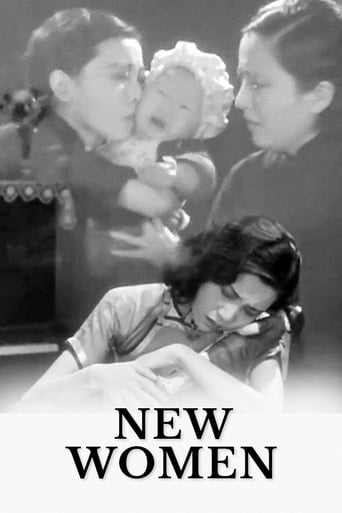
Notable Chinese actor and director who emerged during the golden age of Chinese cinema in the 1930s. He began his career as an actor, most notably appearing in the influential 1935 film 'New Women' directed by Cai Chusheng, which was a work addressing women's social issues in Republican China. Following his acting debut, Zheng transitioned behind the camera to become one of China's most respected film directors, creating socially conscious works that reflected the turbulent times of pre-Communist China. His directorial career flourished particularly after 1949, where he became an important figure in the People's Republic of China's film industry, directing films that aligned with socialist themes while maintaining artistic integrity. Zheng's several decades, witnessing and documenting the dramatic transformations in Chinese society and cinema. He was known for his ability to blend entertainment with social commentary, creating works that resonated with Chinese audiences while contributing to the development of a national cinema identity. His contributions to Chinese film history remain significant, particularly his role in bridging the pre-1949 and post-1949 eras of Chinese filmmaking.
The Craft
On Screen
Naturalistic and socially conscious, reflecting the realist tendencies of 1930s Chinese cinema with emphasis on authentic emotional expression and social relevance
Milestones
- Acting debut in 'New Women' (1935)
- Transition to directing in the late 1930s
- Directed 'The Spring River Flows East' (1947)
- Became prominent director in PRC era
- Directed 'Nie Er' (1959)
- Authored influential film theory texts
Best Known For
Iconic Roles
Must-See Films
Accolades
Won
- Best Director Award from Chinese Film Association (1950s)
Nominated
- Various Chinese film awards for directorial work
Special Recognition
- Recognized as one of the founding directors of modern Chinese cinema
- Posthumous recognition for contributions to Chinese film history
Working Relationships
Worked Often With
Studios
Why They Matter
Impact on Culture
Zheng Jun-li played a crucial role in the development of Chinese cinema both as an actor in. His work in 'New Women' contributed to the film's powerful social commentary on women's rights and modernity in China. As a director, he was instrumental in creating films that balanced artistic merit with social and political messaging, helping establish the aesthetic and ideological foundations of socialist Chinese cinema. His theoretical writings on film also contributed to the intellectual framework of Chinese film studies, influencing how cinema was understood and practiced in China.
Lasting Legacy
Zheng Jun-li's legacy endures through his significant contributions to Chinese cinema's development during a critical transitional period. His films, particularly 'The Spring River Flows East' and 'Crows and Sparrows,' are considered classics of Chinese cinema and continue to be studied by film scholars worldwide. His work bridging the pre- and post-1949 eras makes him a unique figure in Chinese film history, demonstrating how artistic continuity could be maintained despite dramatic political changes. His theoretical writings remain important texts for understanding Chinese film aesthetics and ideology. The tragic circumstances of his death during the Cultural Revolution also serve as a reminder of the challenges faced by artists during this turbulent period.
Who They Inspired
Zheng Jun-li influenced generations of Chinese filmmakers through his example of combining artistic integrity with social consciousness. His directorial techniques, particularly his ability to weave personal stories into broader historical narratives, became a model for subsequent Chinese directors. His theoretical work on film aesthetics and the relationship between cinema and society helped shape Chinese film criticism and scholarship. Many later Chinese directors, including those of the Fifth Generation, have acknowledged the influence of earlier directors like Zheng in establishing a distinctly Chinese cinematic language. His approach to balancing entertainment with educational content became a template for socially engaged cinema in China.
Off Screen
Zheng Jun-li was married to Huang Zongying, a prominent Chinese actress and writer. Their marriage was notable as both were significant figures in Chinese cinema and cultural circles. The couple had children and their family life was intertwined with their artistic careers. During the Cultural Revolution, Zheng faced persecution like many intellectuals and artists of his generation, which significantly impacted his health and led to his premature death in 1969. His personal story reflects the broader struggles faced by Chinese artists during the political upheavals of the mid-20th century.
Education
Studied at Shanghai Art Academy, self-taught in film theory and practice
Family
- Huang Zongying (married 1948 until his death 1969)
Did You Know?
- Started his career as an actor before transitioning to directing
- Appeared in 'New Women' alongside legendary actress Ruan Lingyu
- Was married to actress Huang Zongying, creating one of Chinese cinema's power couples
- Wrote influential theoretical works on film aesthetics
- Directed 'The Spring River Flows East' which became one of China's most celebrated films
- Faced persecution during the Cultural Revolution like many intellectuals
- His death in 1969 was attributed to the hardships suffered during political campaigns
- Helped establish the aesthetic principles of socialist Chinese cinema
- Was part of the influential leftist film movement in 1930s Shanghai
- His films often dealt with themes of national identity and social justice
In Their Own Words
Cinema should not only entertain but also educate and enlighten the people
The camera is not just a recording device, but a tool for social transformation
Art must serve the people while maintaining its artistic integrity
Every film is a reflection of its time and society
Frequently Asked Questions
Who was Zheng Jun-li?
Prominent Chinese actor and on YTB.my. He began as an actor in the classic film 'New Women' (1935) before becoming one of China's most respected directors, creating socially conscious films that documented China's dramatic transformations.
What films is Zheng Jun-li best known for?
Titles linked here include New Women (1935), The Spring River Flows East (1947).
When was Zheng Jun-li born and when did he die?
Born December 6, 1911; died April 22, 1969.
What awards did Zheng Jun-li win?
Zheng Jun-li received recognition from the Chinese Film Association, including Best Director awards during the 1950s for his contributions to Chinese cinema. He has also been posthumously honored for his role in establishing modern Chinese cinema and his influence on subsequent generations of filmmakers.
What was Zheng Jun-li's directing style?
Zheng Jun-li's directing style was characterized by socially engaged storytelling that combined realist aesthetics with dramatic narrative structures. He focused on themes of national identity, social justice, and the experiences of ordinary people during times of historical change, creating films that were both artistically significant and socially relevant.