Films
1 film
About Masao Inoue
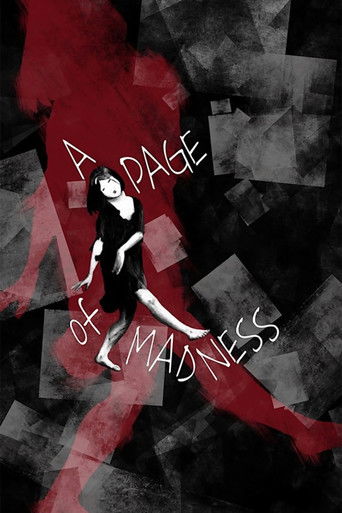
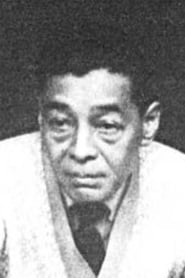
Japanese actor who worked during the silent film era of the 1920s, best known for his memorable performance in the avant-garde masterpiece 'A Page of Madness' (1926). While detailed records of his career are scarce due to the extensive loss of Japanese film archives from this period, his appearance in Teinosuke Kinugasa's film marks him as a participant in innovative cinematic works of the decade. The film itself was considered lost for decades before being rediscovered in Kinugasa's personal collection in 1971. Inoue's performance contributed to the film's experimental approach to storytelling, which rejected traditional narrative structures in favor of subjective psychological exploration. His career appears to have been brief or at least poorly documented, which was common for many Japanese actors of the silent era whose work was either lost to time or never properly recorded in film histories. The rediscovery of 'A Page of Madness' has brought renewed attention to the actors who participated in this revolutionary work, including Inoue, though much of his life and career remain shrouded in the mystery that surrounds many early Japanese film performers.
The Craft
On Screen
While specific details about Masao Inoue's acting style are limited due to the scarcity of surviving records, his performance in 'A Page of Madness' suggests he was capable of the expressive, exaggerated style typical of silent film acting while also adapting to the film's avant-garde approach. The film required actors to convey psychological distress and surreal experiences through physical expression rather than traditional character development, indicating Inoue's ability to work within experimental frameworks.
Milestones
- Starred in the avant-garde silent film 'A Page of Madness' (1926)
- Participated in
- Contributed to a film that was lost for over 45 years before rediscovery
Best Known For
Iconic Roles
Must-See Films
Working Relationships
Worked Often With
Why They Matter
Impact on Culture
Masao Inoue's contribution to 'A Page of Madness' places him within the context of a revolutionary moment in Japanese cinema history. The film itself was decades ahead of its time, using techniques like rapid editing, superimposition, and subjective camera work that wouldn't become common in international cinema until the 1960s. While Inoue himself may not have achieved widespread recognition during his lifetime, his participation in this groundbreaking work connects him to the avant-garde movement that challenged conventional filmmaking in 1920s Japan. The film's rediscovery in 1971 brought renewed attention to all involved, including Inoue, highlighting their role in creating what is now considered a masterpiece of world cinema.
Lasting Legacy
Masao Inoue's legacy is intrinsically tied to 'A Page of Madness,'. While his individual career may not have been extensively documented, his contribution to this landmark work ensures his place in film history. The film's influence on subsequent generations of filmmakers, both in Japan and internationally, means that Inoue's work continues to be studied and appreciated by cinema scholars and enthusiasts. His performance shows the experimental spirit that characterized some of the most innovative works of the silent era.
Who They Inspired
Due to the limited documentation of Masao Inoue's career and the apparent brevity of his film work, it's difficult to trace his direct influence on other performers. However, his participation in 'A Page of Madness' contributed to a film that has influenced countless directors and actors interested in avant-garde cinema. The film's psychological approach to character and narrative has been particularly influential in the development of art house and experimental filmmaking worldwide.
Off Screen
Very little is known about Masao Inoue's personal life, which is typical for many Japanese actors from the silent era whose biographical details were not extensively documented or have been lost to time. The lack of available information about his family background, education, or personal relationships reflects the broader challenges in researching early Japanese cinema history.
Did You Know?
- 'A Page of Madness' was considered lost for over 45 years before being rediscovered in director Teinosuke Kinugasa's garden shed in 1971
- The film was created without a script, with Kinugasa and his collaborators improvising scenes during production
- Many Japanese films from the 1920s were lost due to the 1923 Great Kantō earthquake, World War II destruction, and poor preservation practices
- The film's original intertitles were lost, so when it was rediscovered, Kinugasa had to recreate them from memory
- 'A Page of Madness' was influenced by German Expressionism and Surrealism, making it part of an international avant-garde movement
- The film was independently produced outside the Japanese studio system, which allowed for its experimental approach
- Masao Inoue's complete filmography may never be known due to the extensive loss of Japanese silent film records
- The film's rediscovery revolutionized understanding of early Japanese cinema's sophistication and artistic ambition
Frequently Asked Questions
Who was Masao Inoue?
Japanese with credits in this catalog.' While details about his life and career are scarce due to the loss of many Japanese film records from this period, his participation in this groundbreaking avant-garde film marks him as part of a significant moment in cinema history.
What films is Masao Inoue best known for?
Titles linked here include A Page of Madness (1926).
When was Masao Inoue born and when did he die?
Specific birth and death dates for Masao Inoue are not available in historical records, which is common for many Japanese actors from the silent era whose biographical information was lost or never properly documented.
What awards did Masao Inoue win?
There are no recorded awards or nominations for Masao Inoue, which reflects both the limited documentation of Japanese cinema from the 1920s and the fact that many formal award systems were not yet established during the early silent film period.
What was Masao Inoue's acting style?
Based on his performance in 'A Page of Madness,' Masao Inoue demonstrated the ability to work within avant-garde filmmaking techniques, likely employing the expressive physical style typical of silent era acting while adapting to the film's experimental, psychological approach to character and narrative.