
A Page of Madness
"Asylum corridors, buried memory."
Keys: Space play/pause · ←/→ 10s · F fullscreen · M mute · </> speed
About this film
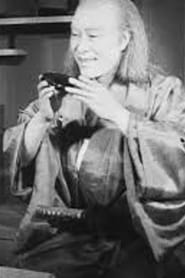
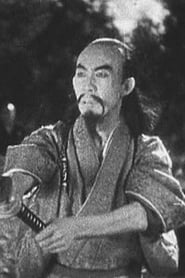
A janitor takes work at an asylum hoping to free his wife, only to be pulled into the institution's surreal routines. Teinosuke Kinugasa blends expressionist design with rapid montage in a Japanese silent without intertitles.
Cast & crew
More films like this

More Horror films
View all →


More from Teinosuke Kinugasa
View all →
More about this film
About the production
Release dateSeptember 10, 1926
Box officeUnknown - limited release in Japan, commercial performance not documented
ProductionShochiku Studios
Filmed inTokyo, Japan
The film was created independently by the Shingekiga (New Drama School) movement, with funding from the cast and crew themselves. Kinugasa sold his personal belongings to help finance the production. The film was shot in secret without studio approval, using borrowed equipment and filming in actual locations including a real mental institution. The production took approximately three months to complete, with innovative techniques achieved through practical effects like mirrors, rapid editing, and experimental camera movements.
Themes
Mental illnessReality vs. illusionFamily traumaInstitutionalizationMemory and flashback
Themes & topics
asylumjanitorwifemental illnessescape planflashbackssurrealismexpressionismsilent filmavant-gardepsychological dramaexperimental cinema
Historical background
Kinugasa's 1926 avant-garde production was financed by the Amakasu company and thought lost until a print surfaced in 1971.
Why this film matters
A Page of Madness is a cornerstone of Japanese modernist cinema and silent experimental editing.
Making of
The film was created as an underground project outside the Japanese studio system, with director Teinosuke Kinugasa collaborating with the avant-garde literary group Shinkankakuha (New Sensation School). The production faced numerous challenges including lack of funding, studio disapproval, and technical limitations. The crew developed innovative techniques to achieve surreal effects, such as shooting through textured glass, using rapid montage sequences, and employing unusual camera angles. The asylum scenes were filmed in an actual psychiatric hospital, with some patients participating as extras. The famous dance sequence was choreographed to appear chaotic and disturbing, requiring multiple takes to achieve the desired effect of madness.
What critics said
Revival screenings since the 1970s have elevated it to art-house canon.
Did you know?
- The film was considered lost for over 45 years until Kinugasa discovered a copy in his garden shed in 1971
- It was influenced by German Expressionist cinema and Surrealist art movements
- The original screenplay was written by Yasunari Kawabata, who later won the Nobel Prize in Literature
- The film contains no intertitles, relying purely on visual storytelling
- Only one complete print exists today, held by the National Film Center of Japan
- The dance sequence was inspired by actual therapy sessions at mental institutions
- Kinugasa used multiple exposures and rapid editing techniques decades before they became common
- The film was banned in some regions for its disturbing content and portrayal of mental illness
- The cast largely consisted of avant-garde theater actors from the Shingekiga movement
- The film's title was originally 'Kurutta Ippēji' which translates literally to 'A Crazy Page'
Awards & recognition
- Kinema Junpo Award for Best Film of the Year (1926)
- Rediscovered as a masterpiece at the 1971 Cannes Film Festival
Visual style
The cinematography by Kohei Sugiyama employed revolutionary techniques including rapid montage sequences, superimpositions, distorted camera angles, and subjective point-of-view shots. The film used mirrors and reflections to create disorienting visual effects that mirrored the characters' mental states. The camera work incorporated handheld movements and unusual framing to convey madness and confusion. The visual style drew heavily from German Expressionism, with dramatic shadows and distorted perspectives. The famous dance sequence used rapid editing and multiple exposures to create a sense of chaos and hysteria.
Innovations
The film pioneered numerous technical innovations including rapid montage sequences, superimposition techniques, and subjective camera work that would not become common for decades. The production achieved surreal effects through practical means including shooting through textured materials, using multiple exposures, and employing unusual camera movements. The film's editing techniques were particularly advanced for the time, with jump cuts and rhythmic editing patterns that created psychological effects. The production also developed new methods for creating distorted visuals without modern optical effects, using mirrors, prisms, and other optical devices.
Music
As a silent film, it was originally accompanied by live musical performance, typically featuring traditional Japanese instruments mixed with Western orchestral elements. The benshi (narrator) would have provided commentary during screenings, though the film's visual nature made it less dependent on narration than typical Japanese films of the era. Modern restorations have been scored by various composers, with most using experimental music to match the film's avant-garde visuals. Some contemporary screenings feature live improvisation by musicians responding to the film's surreal imagery.
Famous quotes
As a silent film, it contains no spoken dialogue, but its visual poetry creates powerful emotional statements without words
Memorable scenes
- The chaotic dance sequence where patients perform an erratic ballet, filmed with rapid cuts and distorted angles to convey madness; The opening sequence showing the asylum through a rain-streaked window; The flashback scenes depicting the wife's breakdown through superimposed images; The climactic escape attempt during a storm; The surreal sequence where the janitor sees his wife's face in various objects around the asylum
What audiences thought
Contemporary audiences in 1926 largely rejected the film due to its experimental nature and lack of conventional narrative structure. Many viewers found the imagery disturbing and the plot confusing without intertitles. The film's poor reception contributed to its disappearance from theaters and eventual loss. Modern audiences, particularly cinephiles and film students, have embraced the film as a groundbreaking work of art. Contemporary screenings at film festivals and cinematheques typically draw enthusiastic responses, with viewers marveling at the film's visual inventiveness and psychological intensity.
Film connections
Influenced by
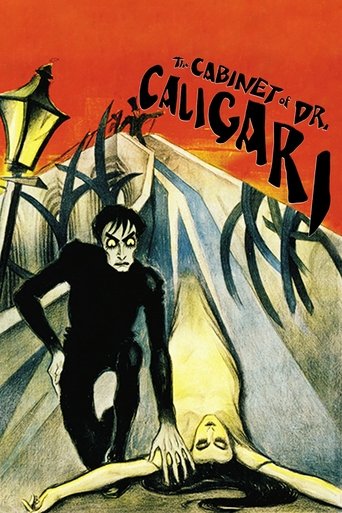
- The Cabinet of Dr. Caligari (1920)
- German Expressionist cinema
- Surrealist art movement
- Japanese Noh theater
- Kabuki theater traditions
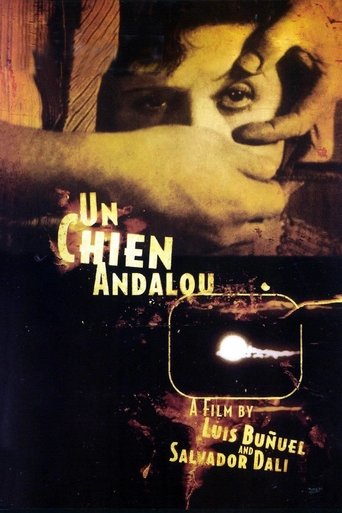
- Un Chien Andalou (1929) - though released later, shares similar sensibilities
This film influenced
- Meshes of the Afternoon (1943)
- Persona (1966)
- The Tenant (1976)
- Tetsuo: The Iron Man (1989)
- Perfect Blue (1997)
- Requiem for a Dream (2000)
- Black Swan (2010)
Film restoration
The film was considered lost for decades until director Teinosuke Kinugasa discovered a single complete print in his garden shed in 1971. This print is now preserved at the National Film Center of the National Museum of Modern Art, Tokyo. The film has undergone restoration efforts to preserve its deteriorating elements, though some damage remains visible. It is one of the few surviving examples of Japanese avant-garde cinema from the 1920s, as most films from this period were lost due to natural disasters, war damage, and neglect.
Where to watch
- Available on Criterion Collection Blu-ray/DVD
- Streaming on The Criterion Channel
- Available on various specialty streaming platforms
- Occasionally screened at film festivals and cinematheques
- Educational institutions may have access through film archives